
Starlink slowdown civilian and defense impacts compared
📌 Topic & Subject
This article explores the operational and political impacts of SpaceX applying a 100 mph speed cap on Starlink and Starshield terminals in Ukraine. It details how the sudden firmware throttling disrupted high-speed interceptor drone operations, triggered diplomatic and executive confusion in Washington, and exposed systemic risks in relying on a single-vendor commercial satellite infrastructure for defense.
📌 Table of Contents
- 1. Technical limits disrupt frontline drone operations
- 2. Shifting blame across Washington and Hawthorne
- 3. Orbital performance and defense contract limits
- 4. Echoes of Sevastopol and sovereign security
- 5. Practical playbook for investors and defense buyers
- 6. Next steps: Sovereign satellite procurement audit
Donald Trump reportedly intervened after Elon Musk capped military Starlink terminals at 100 mph across Ukraine, affecting interceptor drone operations. The unexpected throttling reportedly disrupted frontline air defenses before high-level White House communications were said to prompt SpaceX to restore standard satellite throughput.
Key takeaways:
- Trump reportedly asked Musk to remove a 100 mph terminal cap affecting Ukrainian defenses.
- The speed ceiling reportedly affected interceptor drones that fly at 300 to 400 km/h.
- Global defense buyers now reportedly face single-vendor risks across critical orbital infrastructure.
Technical limits disrupt frontline drone operations
The operational crisis reportedly began abruptly on October 14, 2026. SpaceX engineers applied a remote firmware limit to military Starshield and commercial Starlink transceivers operating across Ukrainian territory. This modification reportedly capped maximum terminal tracking velocity at 100 mph (approximately 160 km/h). Standard frontline strike drones and jet-powered interceptors require speeds between 300 and 400 km/h to intercept incoming Russian glide bombs and Shahed loitering munitions.

Because the firmware revoked high-speed tracking patches, frontline transceivers dropped connectivity mid-flight. Dozens of interceptors lost signal guidance, spiraling into unpopulated terrain or missing hostile targets entirely. Ukrainian field communications units attempted desperate emergency workarounds. Operators strapped consumer-grade cellular LTE bonding units and analog shortwave repeaters onto strike frames, but electronic warfare jamming rendered these stopgap methods unreliable.
The disruption reportedly coincided with Ukrainian long-range strikes against Russian domestic oil refineries and diesel depots. Those attacks pushed Brent crude futures briefly past $113 per barrel, complicating Washington’s domestic fuel price objectives. By October 20, senior military commanders raised alarm over degraded airspace monitoring. The front line reportedly absorbed significant infrastructure damage before Washington moved to address the satellite blackout.

Shifting blame across Washington and Hawthorne
News of the intervention surfaced following exclusive reports from The Wall Street Journal and CNBC on October 22, 2026. The disclosures reportedly triggered friction between government officials and SpaceX executives. Neither side wanted formal ownership of the service downgrade. Defense procurement experts pointed to substantial operational ambiguity within existing dual-use satellite agreements.
The executive branch reportedly maintained a contradictory posture. President Donald Trump initially distanced himself from the directive before acknowledging the resolution. “I wasn’t involved,” Trump remarked when questioned about the origin of the throttling. The following day, he shifted tone while declining to confirm whether he personally called: “The bottom line — he put it back.” While The Wall Street Journal reported direct presidential communication, Trump publicly demurred on whether he or someone else had reached out.

Regulatory accountability fractured further during subsequent agency briefings. Secretary of State Marco Rubio stated that the administration never instructed SpaceX to restrict bandwidth, characterizing terminal access as an internal corporate choice. Defense Secretary Pete Hegseth similarly confirmed that the Pentagon issued no degradation order. Conversely, Musk posted on X that Starshield is controlled by the United States government, arguing that military leadership dictates deployment parameters.
| Stakeholder / Institution | Official Public Stance | Operational Role / Leverage Point |
|---|---|---|
| Donald Trump (U.S. President) | Denied initial involvement; subsequently noted access was restored while declining to confirm a personal call. | Executive authority over procurement; political alliance tied to $366M in 2026 midterm election donations to Republican committees. |
| Elon Musk (CEO, SpaceX) | Asserted Starshield infrastructure remains under direct military command. | Unilateral firmware authority; sole provider of responsive low Earth orbit connectivity. |
| Marco Rubio (U.S. Secretary of State) | Maintained White House issued no throttling orders; termed it a private vendor action. | Manages diplomatic bilateral relations with Kyiv and European allied defense ministries. |
| Volodymyr Zelenskyy (Ukrainian President) | Reported velocities remain inconsistent; requested emergency consultations with Washington. | Commander of 45,000–50,000 active ground terminals sustaining combat operations. |
| U.S. Senate (Blumenthal / Cornyn) | Launched inquiries into defense reliability and unauthorized private contract alteration. | Oversight of Pentagon appropriations, including the $1.8B Starshield contract vehicle. |
Orbital performance and defense contract limits
Understanding this breakdown requires examining satellite architecture specifications. Standard Starlink dishes contain automated speed cutoffs under International Traffic in Arms Regulations (ITAR) and Missile Technology Control Regime (MTCR) rules. These regulations mandate firmware disconnects when hardware exceeds 100 mph or rapid elevation thresholds. This prevents civilian phased-array hardware from serving as guidance modules on ballistic weapons.
For Ukrainian military units, SpaceX had previously deployed custom firmware disabling these velocity restrictions. Re-imposing the 100 mph boundary degraded terminal throughput to consumer baseline tiers. Because modern combat drones exceed these speeds by design, remote piloting feeds suffered immediate packet drops. Latency jumped from an operational 25 milliseconds to complete signal termination.
Defense alternatives cannot match these throughput profiles. Geostationary (GEO) networks like Viasat, SES, and Intelsat orbit at approximately 36,000 km. This distance generates latency between 500 and 700 milliseconds, making split-second drone navigation impossible. Existing low Earth orbit (LEO) competitors lack deployment depth. Eutelsat-OneWeb targets enterprise installations with bulky dishes, while Amazon Kuiper remains in testing.
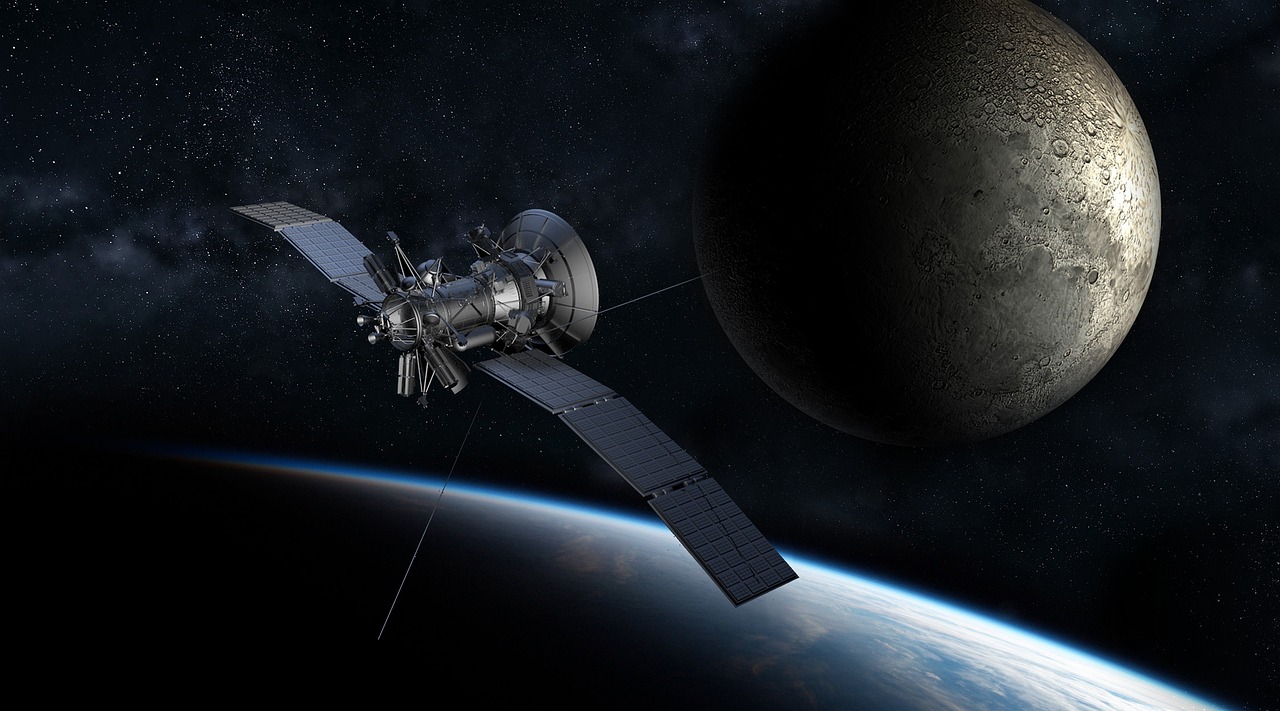
| Network System | Orbital Class / Latency | Terminal Velocity Cap | Military Interoperability |
|---|---|---|---|
| Starshield (SpaceX) | LEO (~550 km) 20–40 ms | Throttled to 100 mph (160 km/h); uncapped via defense waiver. | High. NSA encryption layers, active beam-forming, anti-jam firmware. |
| Commercial Starlink | LEO (~550 km) 25–45 ms | Firmware-locked at 100 mph (MTCR compliance standard). | Moderate. Vulnerable to geographic geofencing and vendor throttling. |
| Legacy Defense (GEO) (Viasat / SES / Intelsat) | GEO (~35,786 km) 500–700 ms | No velocity cap; directional dish must maintain pointing vector. | Low for tactical airframes. Extreme latency prevents real-time piloting. |
| Eutelsat-OneWeb | LEO (~1,200 km) 70–100 ms | Varies by terminal; hardware too heavy for small airframes. | Enterprise fixed bases; limited fast-maneuver tracking integration. |
Echoes of Sevastopol and sovereign security
This incident reflects a recurring operational friction point rather than an isolated glitch. In 2022, Musk declined Ukrainian requests to activate Starlink connectivity near Sevastopol. That refusal thwarted an inbound maritime drone assault targeting Russia’s Black Sea Fleet. At the time, Musk defended his decision by citing risks of direct nuclear confrontation and commercial service boundaries.

The October 2026 throttling represents a different legal baseline. Ukrainian defense units were operating through formal military Starshield channels supported by Pentagon contract arrangements. Furthermore, the operational restriction affected defensive interception inside Ukrainian sovereign airspace rather than offensive deep-strike naval raids. This structural shift transformed an ethical corporate debate into an alleged breach of sovereign defense procurement.
The political context adds another layer of complexity. SpaceX holds a private valuation above $2.16 trillion, driven partly by defense revenue expectations. Simultaneously, Musk’s political expenditures topped $366 million during recent election cycles. When a sole contractor commands critical space assets while maintaining close personal ties to political leadership, standard institutional oversight mechanisms face systemic strain.
Practical playbook for investors and defense buyers
For capital allocators and enterprise risk officers, this event alters the assessment of single-supplier technology dependencies. The threat of arbitrary firmware restrictions now requires concrete mitigation strategies across defense procurement, corporate satellite internet deployment, and institutional portfolios.
If your organization relies on proprietary satellite links for critical operations, you should verify contractual service level agreements (SLAs) immediately. Specific conditions are governed by individual agency solicitations, formal underwriting terms, and official program guidelines. However, commercial consumers and state procurers should demand specific safeguards:
- Contractual non-interference clauses: Require penalties for unilateral bandwidth degradation absent formal military orders.
- Multi-orbit redundancy: Integrate secondary LEO providers alongside existing Starlink configurations to prevent total downtime.
- Direct source-code access: Secure firmware modification rights for defense assets funded via public procurement vehicles.
Allied governments are already accelerating alternative constellations to hedge this single-point vulnerability. The European Union has compressed deployment milestones for its sovereign IRIS² network. Meanwhile, the U.S. Senate Armed Services Committee continues reviewing vendor accountability under the Defense Production Act. Relying on an unhedged commercial space monopoly is no longer an acceptable operational risk.

Next steps: Sovereign satellite procurement audit
To insulate defense assets and mission-critical workflows from arbitrary orbital throttling, procurement officers should immediately audit existing contracts for speed-cap override clauses, mandate binding non-interference SLAs with statutory penalties, and deploy multi-orbit terminal infrastructure across independent constellations.
ℹ️ This article was drafted with the help of an AI tool and reviewed/edited by a human before publishing. · Original: AdEngine-X

SpaceX Starlink Ukraine restrictions 달라지는 것
🇺🇸 English (영어) · 마샬팀장 · 10/24/2026

Starlink slowdown how to track sovereign satellite risks
🇺🇸 English (영어) · Politics & Security Desk · 10/21/2026

Starlink alternatives in 2026 Ukraine Nokia ICEYE guide
🇺🇸 English (영어) · 마샬팀장 · 10/24/2026

Costco Next Shuts Down Without Notice: 2026 Data Analysis, Business Impact, and Consumer Guide
🇺🇸 English (영어) · News Desk · 9/3/2026
More from this author

Airline seat volume and yield focus operational differences
🇺🇸 English (영어) · 마샬팀장 · 10/25/2026

Moderna cancer vaccine trial outcome market price comparison
🇺🇸 English (영어) · 마샬팀장 · 10/25/2026

湯河原ロカボで生活習慣を見直す実践基準3つ
🇯🇵 日本語 (일본어) · 마샬팀장 · 2026/10/25

LF300 면역 락토페린과 일반 제품 차이점 및 올바른 섭취 기준
🇰🇷 한국어 · 마샬팀장 · 2026. 10. 25.
🗞️ Source material
- Trump asked Musk to lift Starlink slowdown, WSJ reports— Ref: CNBC (headline & link)
This article was independently written and edited by AdEngine-X based on the facts reported in the sources below. No original wording or photos were used.
📚 References
This list may include both live search sources the AI referenced while writing and public-data sources checked during fact verification. Please verify the original sources before citing or reusing.
0 Comments
Loading comments...