Starlink alternatives in 2026 Ukraine Nokia ICEYE guide
📌 Topic & Subject
This article explores the development of a sovereign low Earth orbit communication network by Ukraine, Nokia, and ICEYE in response to speed and connectivity limits on SpaceX's Starlink and Starshield networks. It provides practical household preparedness strategies, including multi-carrier redundancy, offline peer-to-peer messaging apps, smartphone satellite SOS features, analog emergency radios, and technology portfolio diversification.
📌 Table of Contents
- 1. Sovereign satellite pact background and frontline data
- 2. Audit your household cellular carriers across family devices
- 3. Install offline peer-to-peer messaging applications
- 4. Configure satellite emergency features on modern smartphones
- 5. Comparing sovereign networks and legacy satellite systems
- 6. Add hand-crank solar emergency radios to your home pantry
- 7. Rebalance investment portfolios against technology lock-in risks
- 8. Action checklist for household resilience and communications
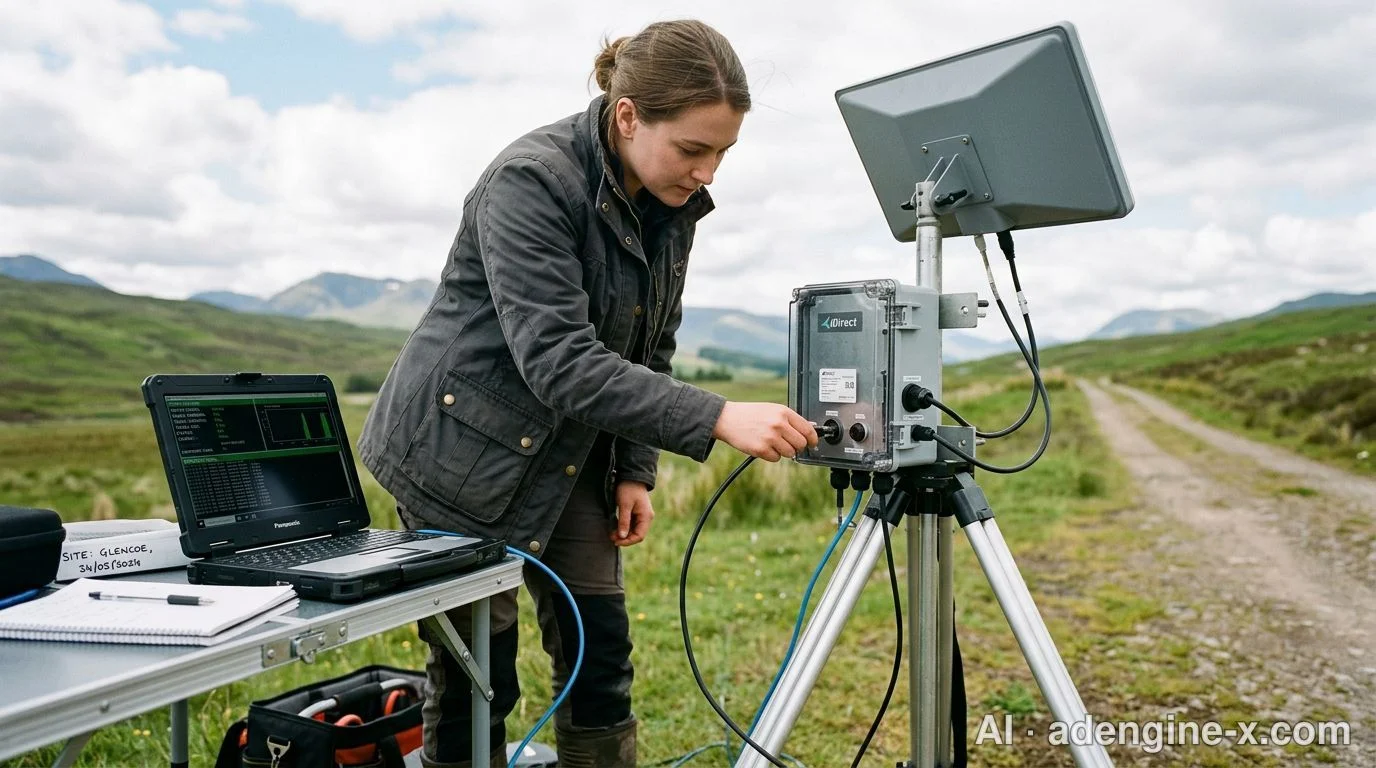
The Ministry of Defence of Ukraine signed a formal letter of intent with Finland’s Nokia and satellite manufacturer ICEYE to construct a sovereign low Earth orbit communication network, according to an international report by CNBC International. This decisive move follows persistent frontline connectivity caps where high-speed Ukrainian defense drones faced sudden service cutoffs when flying at speeds exceeding 100 miles per hour (about 160.9 km/h) on the Starlink and Starshield networks operated by Elon Musk’s SpaceX. For households and retail investors, reviewing your family emergency communication systems and tech holdings takes under two hours and costs between zero and a few hundred dollars.
Sovereign satellite pact background and frontline data
Ukraine has depended heavily on commercial satellite terminals since ground telecommunications suffered heavy physical destruction during the initial 2022 invasion. Over 45,000 Starlink terminals currently support civil institutions and military units across the country. However, operational friction mounted when remote software filters and geofencing abruptly severed connections during critical long-range drone flights. Despite assertions from political figures like U.S. President Donald Trump claiming that services were fully restored, Ukrainian officials confirmed ongoing restrictions on frontline equipment.
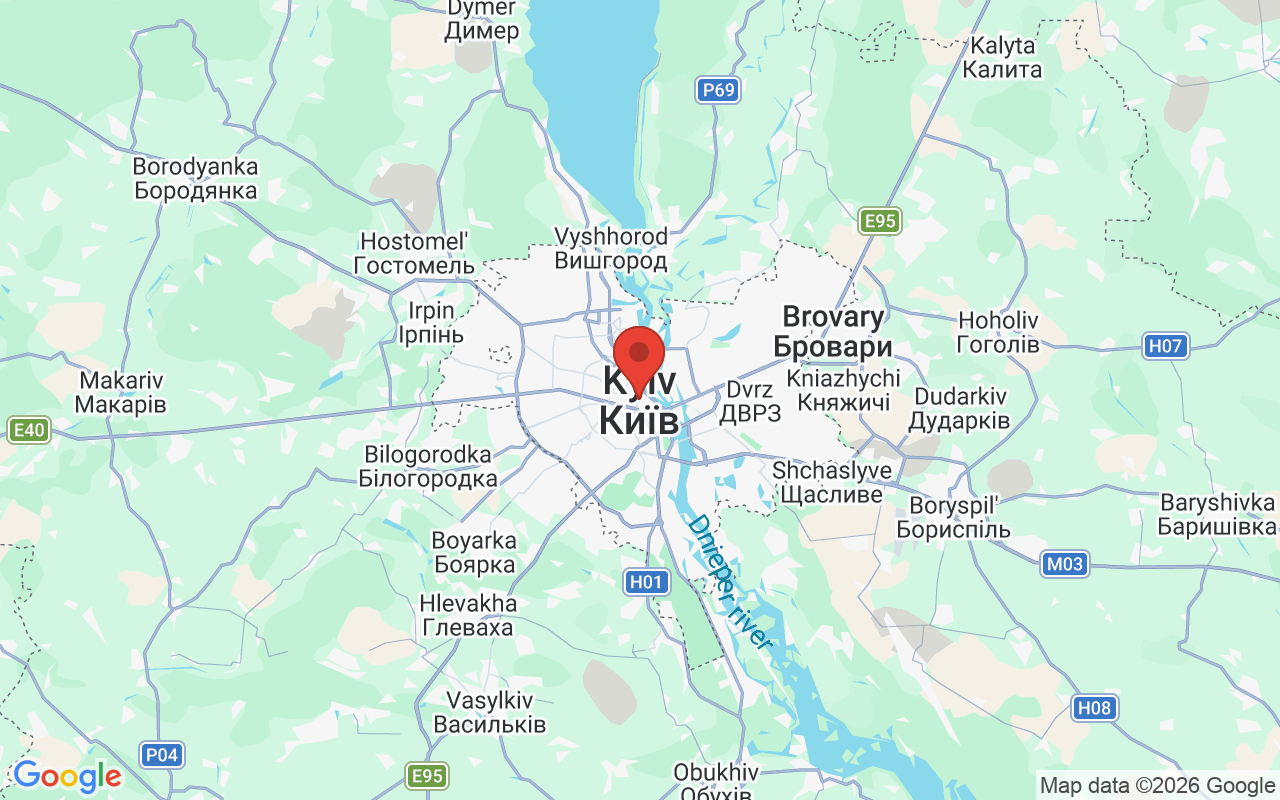
Finland Prime Minister Petteri Orpo visited Kyiv to finalize bilateral agreements exceeding €300 million (about $337 million) across seven strategic sectors alongside President Volodymyr Zelenskyy. A central component of this package focuses on sovereign defense telecommunications. Nokia Oyj, which reported annual net sales of approximately €19.89 billion for the 2025 fiscal year, brings carrier-grade cellular routing and defense-grade Non-Terrestrial Network hardware. ICEYE operates one of the largest commercial constellations of synthetic aperture radar satellites, with more than 30 spacecraft weighing between 85 and 100 kilograms operating in low Earth orbit at altitudes between 500 and 600 kilometers.
 🔍
1. Audit your household cellular carriers across family devices
Distribute mobile phone subscriptions across at least two independent network carriers instead of placing every family member on a single family plan. Single-carrier reliance creates a vulnerability where a regional cable cut, power station fire, or cyber incident instantly cuts communication across your entire household. Check which network towers serve your primary neighborhood and verify that one parent uses an alternative mobile virtual network operator or competing carrier.
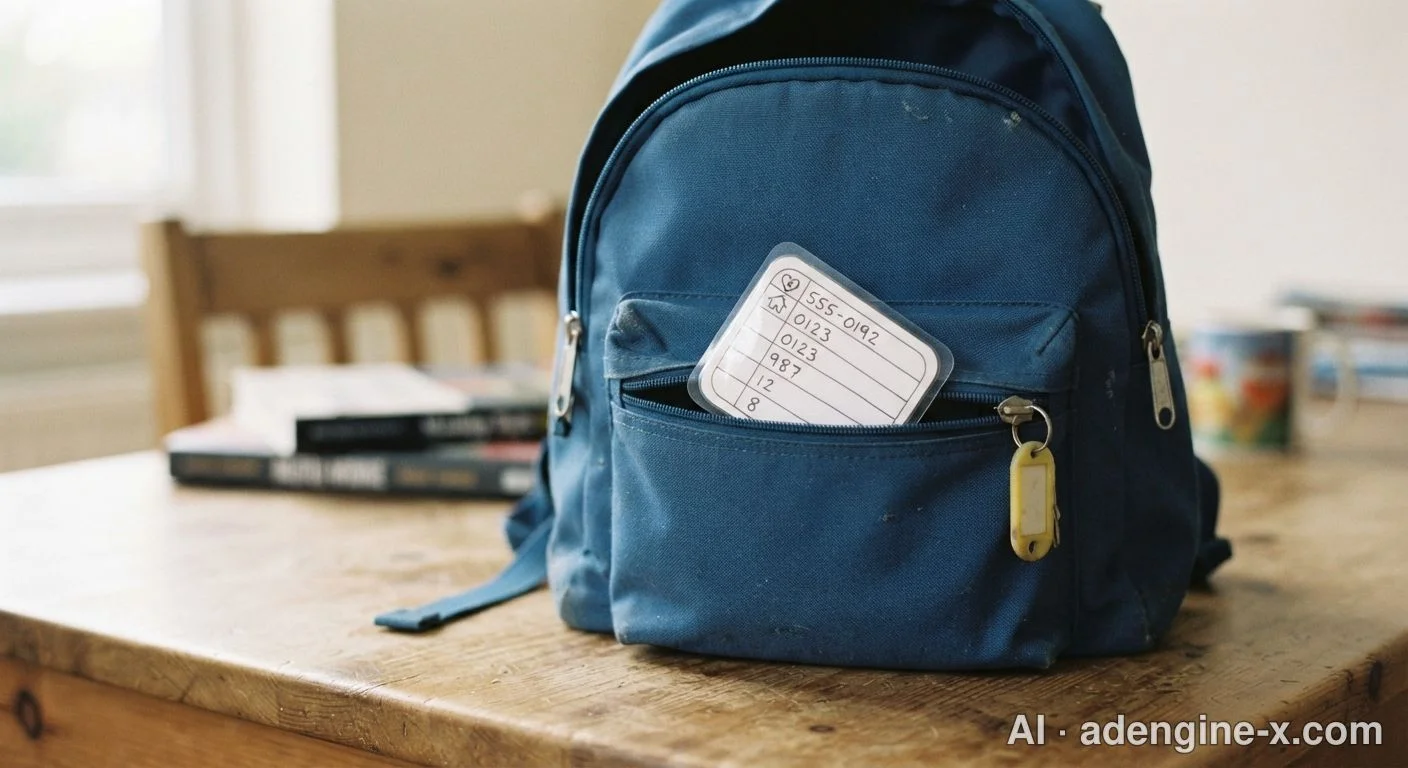
Document all primary contact numbers on laminated cards placed inside children’s school bags and emergency kits. Digital address books fail when smartphone batteries deplete or operating systems crash during sustained outages. Keep two portable power banks rated at 20,000 milliampere-hours fully charged at home to ensure that low-power mobile devices remain functional during electrical grid blackouts.
2. Install offline peer-to-peer messaging applications
Download decentralized peer-to-peer messaging tools such as Bridgefy or Briar onto every smartphone in your household before any disaster occurs. These applications communicate directly between devices using local Bluetooth and Wi-Fi Direct protocols without requiring active cellular cell towers or internet routing. When users gather in municipal shelters, local parks, or crowded transport hubs, these devices form an ad-hoc local mesh relay.
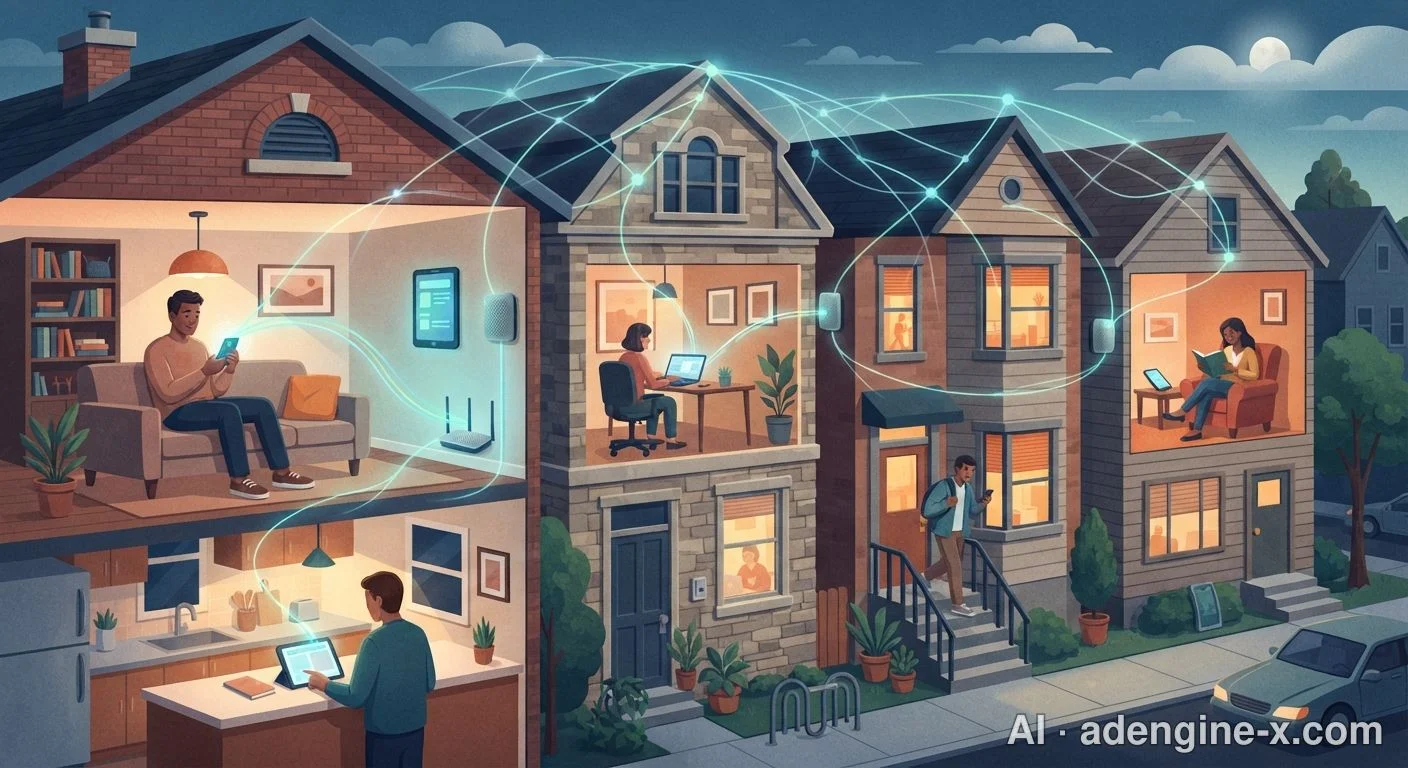
Configure Bluetooth permissions and complete initial device pairing inside your living room so that family members understand connection ranges. Peer-to-peer transmission ranges typically span 10 to 100 meters between individual hardware units, but multi-hop relay systems pass text dispatches along lines of neighboring devices. Test message delivery across rooms with cellular data and residential Wi-Fi deliberately switched off.
3. Configure satellite emergency features on modern smartphones
Activate and rehearse the built-in Emergency SOS via satellite features available on modern consumer smartphones, including Apple iPhone 14 models or newer flagship Android hardware. These consumer devices interface directly with low Earth orbit or geostationary satellite constellations to transmit vital coordinates and text messages when completely outside terrestrial cellular coverage. Test the demonstration mode within system settings so family members understand the open sky alignment required to secure orbital links.

Review software operating parameters because satellite antennas built into slim consumer handsets require direct line of sight toward passing satellites. Heavy tree canopies, dense foliage, tall commercial buildings, and metal roofing can block radio frequencies. Teach children to move to open outdoor spaces such as sports fields, wide intersections, or open balconies if standard emergency numbers fail to connect.
Comparing sovereign networks and legacy satellite systems
Evaluating commercial options helps families and tech-focused investors understand the operational trade-offs between centralized private constellations and government-directed independent networks.
| Platform | Operational Ownership | Orbital Fleet Scale | Target Latency | Core Resilience Profile |
|---|---|---|---|---|
| SpaceX Starlink | Private U.S. corporation | 6,000+ active satellites | 25–40 ms | High bandwidth but vulnerable to arbitrary geofencing and rate limits |
| Nokia-ICEYE Alliance | Ukrainian sovereign defense control | Custom tactical constellation | 25–45 ms | Dedicated sovereign encryption keys and integrated radar coordination |
| Eutelsat OneWeb | European-British consortium | Approx. 630 polar satellites | 30–50 ms | Enterprise-grade commercial core free from single-owner intervention |
| EU IRIS² System | European Union multilateral governance | Planned multi-orbit fleet | 25–50 ms | Strict government security standards with rollouts spanning 2027–2030 |
4. Add hand-crank solar emergency radios to your home pantry
Acquire an analog emergency broadcast receiver equipped with AM, FM, and NOAA weather band capabilities powered by hand cranks and small solar panels. High-frequency digital infrastructure remains the first casualty during severe weather, physical strikes, or sustained blackouts. Basic emergency radio transmissions from national civil defense stations travel further and penetrate rugged terrain far better than microwave-band satellite signals.
Store the radio alongside spare lithium batteries, waterproof matches, and basic first-aid supplies in an accessible hall closet. Make sure all household members know which local emergency broadcast frequency your regional authorities use during power grid emergencies. Check the mechanical hand crank every six months to confirm the internal storage capacitor maintains a stable charge.
5. Rebalance investment portfolios against technology lock-in risks
Review personal investment holdings to ensure your technology portfolio is not overly concentrated in single commercial infrastructure monopolists subject to acute geopolitical discount risks. When national governments witness private infrastructure owners imposing operational caps during armed conflicts, sovereign procurement budgets inevitably pivot toward decentralized competitors. Ukraine previously raised approximately 600 million hryvnias (about $15 million) through the Serhiy Prytula Charity Foundation to secure dedicated ICEYE radar access, proving sovereign buyers will fund independent alternatives.
Explore diversification into European defense communications, space hardware manufacturers, and Non-Terrestrial Network pioneers including Nokia, Thales, Airbus, and Eutelsat. Institutional capital increasingly flows toward defense systems aligning with the 3GPP Release 17 and 18 non-terrestrial telecommunication standards. Specific conditions depend on individual brokerage account permissions, official prospectus disclosures, and independent investment evaluation.

Action checklist for household resilience and communications
The strategic partnership between Ukraine, Nokia, and ICEYE underscores that no single commercial vendor should control critical communication lifelines during an emergency. You can insulate your family against comparable municipal infrastructure disruptions by completing this practical readiness sequence.
- Dual carrier redundancy: Place parents on separate wireless carriers to prevent complete cellular blackouts.
- Offline mesh readiness: Install peer-to-peer messaging applications across every family smartphone today.
- Satellite SOS rehearsals: Walk through device-level satellite alignment procedures in open outdoor settings.
- Analog backups: Maintain a manual hand-crank AM/FM radio receiver in your primary emergency supply pack.
- Capital diversification: Limit investment exposure to single private infrastructure providers facing regulatory scrutiny.
Bottom line: Redundancy is the only reliable defense against sudden communication failures, whether on the geopolitical stage or inside your own home.
ℹ️ This article was drafted with the help of an AI tool and reviewed/edited by a human before publishing. · Original: AdEngine-X
SpaceX Starlink Ukraine restrictions 달라지는 것
🇺🇸 English (영어) · 마샬팀장 · 10/24/2026
Starlink slowdown civilian and defense impacts compared
🇺🇸 English (영어) · Politics & Security Desk · 10/23/2026

Offshore money moves 4 reasons Chinese wealth picks US
🇺🇸 English (영어) · News Desk · 10/23/2026

Mortgage Rates Surge Ahead of CPI 2026: 6.85% Benchmark, 10-Year Treasury Yield Shock, and 5 Defensive Playbooks
🇺🇸 English (영어) · 마샬팀장 · 9/12/2026
More from this author



🗞️ Source material
- In hunt for Starlink alternative, Ukraine partners with Nokia and satellite maker ICEYE— Ref: CNBC (headline & link)
This article was independently written and edited by AdEngine-X based on the facts reported in the sources below. No original wording or photos were used.
📚 References
This list may include both live search sources the AI referenced while writing and public-data sources checked during fact verification. Please verify the original sources before citing or reusing.
0 Comments
Loading comments...