Airline seat volume and yield focus operational differences
📌 Topic & Subject
This article explores how major commercial airlines like American, Southwest, and United have shifted their operational focus from passenger volume to ticket yield amidst rising jet fuel costs and market consolidation. It examines the economic data behind falling TSA passenger counts alongside soaring revenues, the physical transformation of cabin layouts to favor high-margin premium seating, and actionable booking strategies for travelers navigating this disciplined fare environment.
📌 Table of Contents
- 1. The metrics behind falling passenger counts and rising revenue
- 2. How airline commercial strategy shifted
- 3. The cabin layout overhaul driving revenue
- 4. What this means for your travel budget
- 5. Outlook for airfares and capacity discipline
- 6. Action checklist for the disciplined flyer
Airlines are deliberately trading empty seats for record ticket prices, proving that fewer fliers can still generate strong quarterly revenue. Between April and late October, TSA airport checkpoints logged approximately 9.3 million fewer travelers, yet major carriers posted double-digit revenue growth.
Key takeaways:
- Airlines prioritize passenger ticket yield over total volume.
- Jet fuel spikes drove airfares up 22.4% year over year.
- Capacity discipline keeps pricing power firmly with legacy carriers.
The metrics behind falling passenger counts and rising revenue
For decades, commercial aviation followed a simple operational rule. When fuel prices spiked or passenger demand wavered, carriers slashed ticket prices to fill every seat. Today, that playbook is gone.
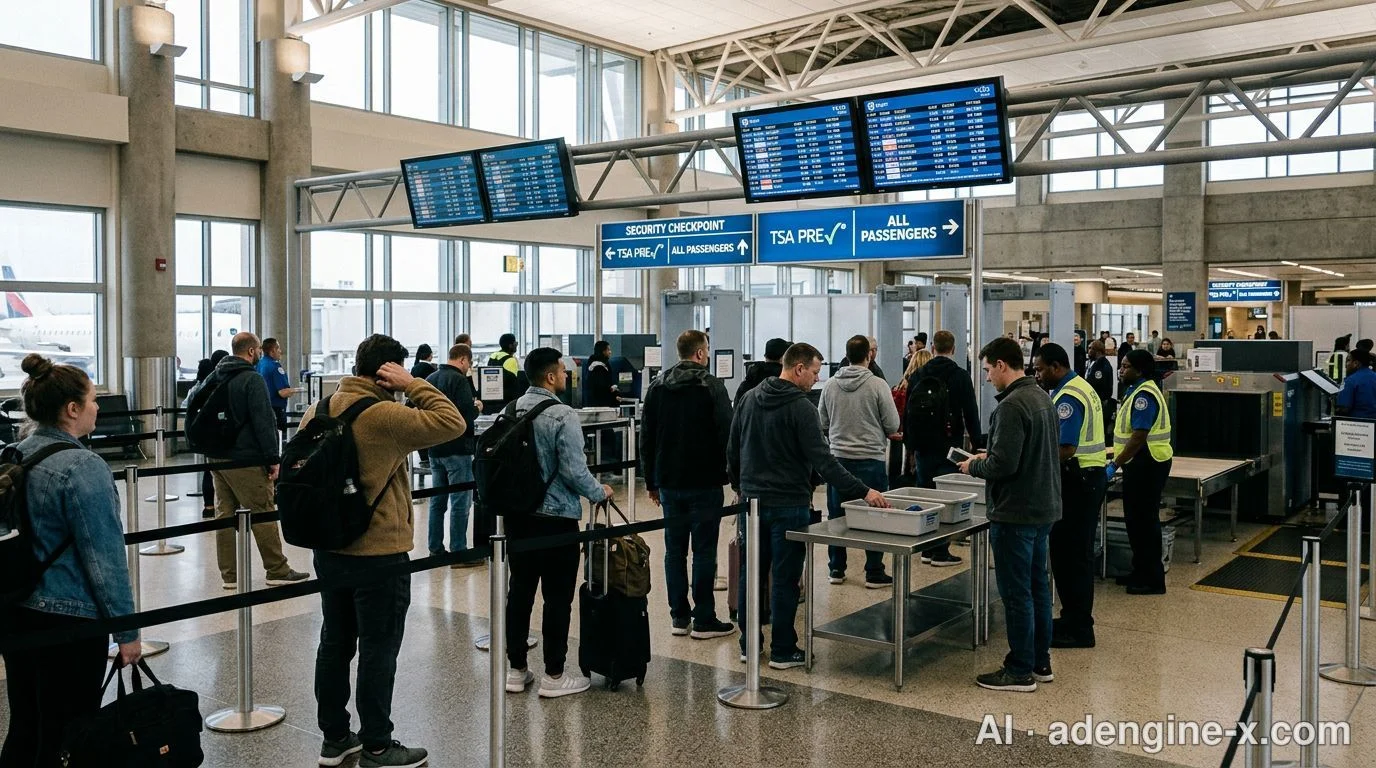
According to the Bureau of Labor Statistics, airfares increased by approximately 22.4% in the September inflation report. Meanwhile, Transportation Security Administration data showed airport passenger volume dropped roughly 1.8% to 2% year over year. In past cycles, an empty seat was lost money. Now, airlines treat it as protected inventory.
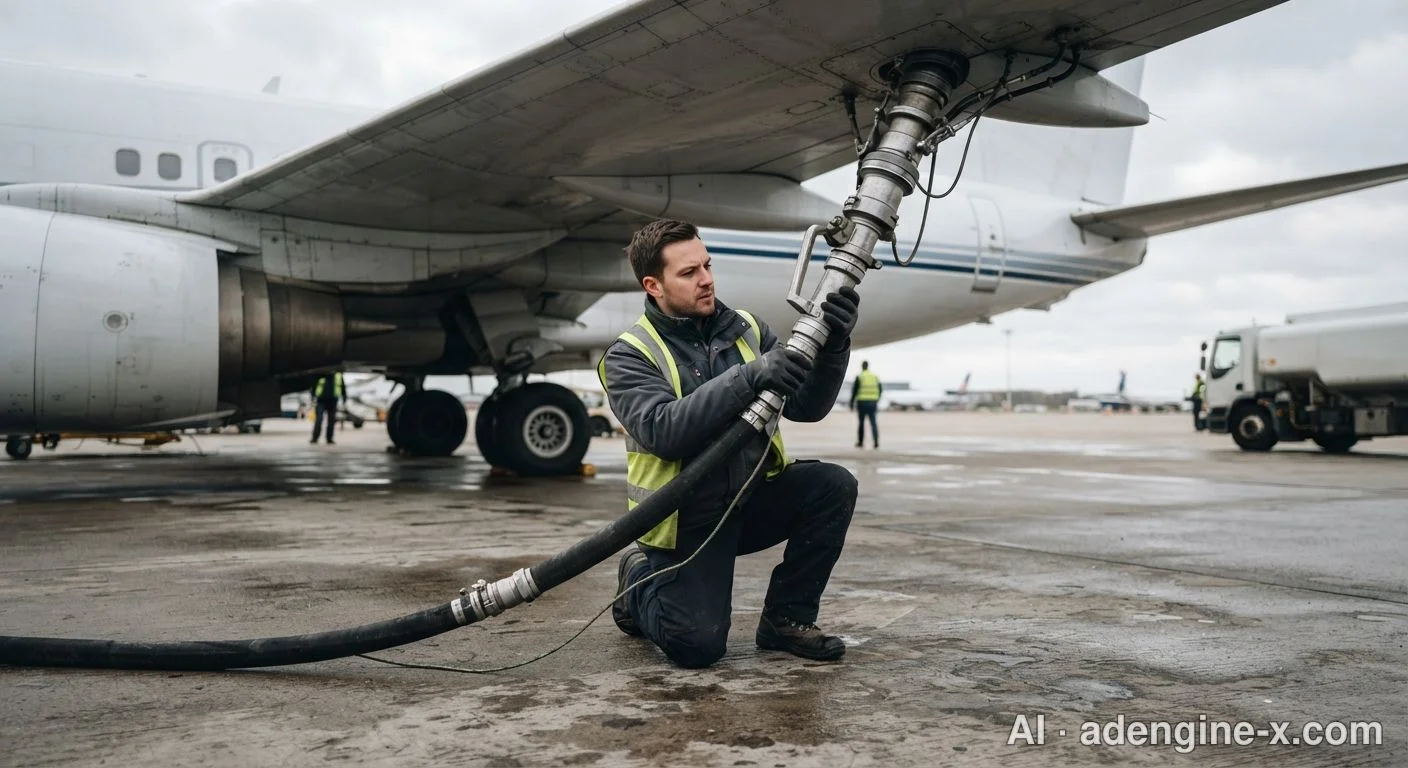
Consider the raw metrics across the industry. Spot jet fuel on the US Gulf Coast reached approximately $4.63 per gallon. That is more than double the price from a year prior. Refueling costs jumped dramatically, forcing airlines to make hard operational choices.
Instead of discounting open seats to boost volume, carriers cut flight frequency. American Airlines watched its third-quarter load factor—the share of available seats filled—drop from 86.0% down to 83.4%. Yet its quarterly revenue reached $16.34 billion, beating market expectations.
Southwest Airlines saw its average one-way fare jump approximately $50 to $231.69, a 27% increase. Even though Southwest carried 3.2% fewer paying passengers, passenger revenue per available seat mile held strong. United Airlines saw its passenger unit revenue climb approximately 16%, marking one of its sharpest quarterly yield jumps in recent history.
How airline commercial strategy shifted
To understand why airline executives are calm, you have to look at the structural shift in market power. The top four carriers—Delta, United, American, and Southwest—now control roughly 76% to 77% of all domestic seat capacity (based on 2026 schedule data).
In May 2026, ultra-low-cost carrier Spirit Airlines ceased operations. Spirit had spent years providing rock-bottom baseline fares on popular leisure routes. When it disappeared, the floor under domestic ticket pricing was significantly affected.
The table below highlights how the operational model changed between the post-pandemic rebound and the current disciplined environment.
| Operating Metric | Volume Model (2021–2024) | Yield Model (Current Market) |
|---|---|---|
| Primary Financial Target | Load factor maximization (88% to 92%) | Yield preservation (PRASM expansion) |
| Unsold Seat Management | Last-minute fare discounting and flash sales | Seats left empty to protect high price tiers |
| Cabin Investment Priority | High-density economy seating | Expanded premium economy and business suites |
| Low-Cost Carrier Influence | Heavy discounting on trunk leisure routes | Diminished ULCC presence after market consolidation |
| Consumer Alternatives | Direct flights prioritized over other travel | Amtrak rail, long driving trips, staycations |
Executives now speak openly about prioritizing yield over volume. American Airlines Chief Commercial Officer Nathaniel Pieper noted on an earnings call that the airline intentionally prioritized unit revenues over raw load factors. Devon May, American's Chief Financial Officer, confirmed that lower oil prices would unlikely push fares down, arguing that fares have yet to fully recover in real terms from post-pandemic disruptions.
United Airlines commercial leadership expressed satisfaction with how readily the travel market absorbed these yield increases. When legacy carriers restrict seat supply, consumers have few choices left. You either pay the posted fare or cancel your trip.
The cabin layout overhaul driving revenue
Behind the corporate earnings statements lies a quiet physical transformation of the airplanes themselves. For years, carriers crammed extra rows into main cabins. Today, engineers are removing economy rows to install high-margin premium seating.
An extra-legroom or premium economy seat takes up the floor space of roughly 1.5 standard economy chairs. Yet airlines often sell premium seats for significantly more than the baseline economy price. By taking out three rows of $100 economy chairs and replacing them with two rows of $800 premium seats, the carrier earns higher revenue on fewer passengers.
Southwest Airlines abandoned its five-decade tradition of open seating and free checked bags. Faced with rising ground costs and heavy fuel expenses, Southwest introduced assigned seats, extra-legroom tiers, and baggage charges. The egalitarian model of mass discount flying has largely given way to segmented tiered fees.
What this means for your travel budget
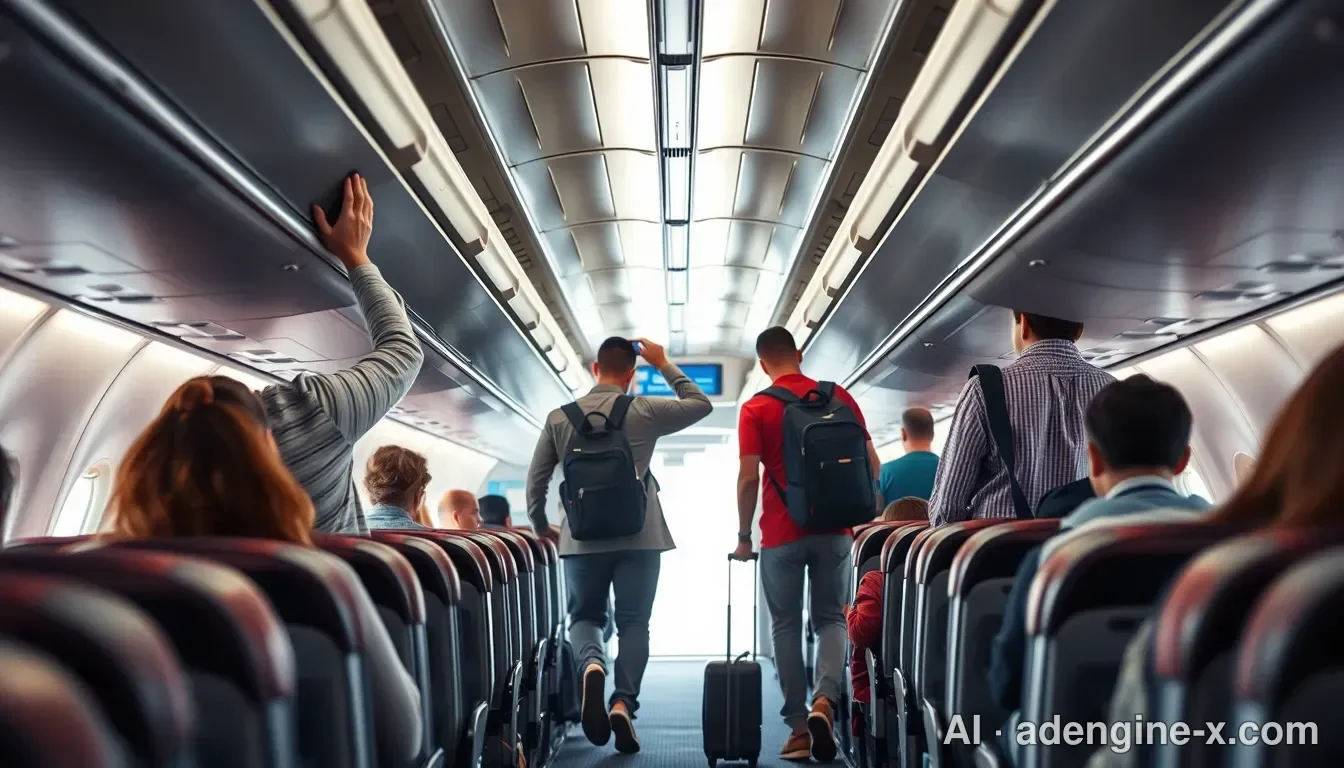
Because airlines no longer discount unsold inventory close to departure, last-minute travel bargains have practically disappeared. Waiting for prices to drop within two weeks of departure will almost certainly cost you more.
To navigate this environment, travelers must adapt their booking habits. Consider booking flights six to eight weeks in advance for standard domestic trips. For holiday periods like Thanksgiving or Christmas, consider booking three to four months ahead.
Flying on Tuesdays, Wednesdays, and Saturdays may yield savings of 25% to 35% compared to Sunday or Friday flights. Always calculate unbundled fees before booking, as carry-on fees ($35 to $45) and checked bags ($40 to $50) quickly erase low sticker prices.
Outlook for airfares and capacity discipline
Do not expect airfares to drop back to pre-2024 levels anytime soon. Persistent aircraft delivery delays from Boeing and ongoing engine inspections limit the total number of planes airlines can fly. Carriers have a practical excuse to keep schedules tight.

Environmental mandates also add permanent floor costs. Sustainable aviation fuel costs significantly more than traditional fossil kerosene. As mandates phase in across Europe and the United States, operating expenses will climb steadily.
Commercial aviation is settling into a two-tier reality. Wealthier travelers and corporate road warriors will continue filling premium cabins at high rates, while budget-conscious families increasingly turn to road trips or staycations. The airlines have realized that carrying fewer people for substantially more money is simply better business.
Bottom line: Airlines no longer chase passenger volume, so book early and budget for ancillary fees if you plan to fly this year.
Action checklist for the disciplined flyer
- Book well ahead: Purchase 6 to 8 weeks early for standard trips and 3 to 4 months ahead for holidays.
- Target off-peak days: Pick Tuesday, Wednesday, or Saturday to save 25% to 35% over peak flights.
- Calculate unbundled add-ons: Add carry-on ($35 to $45) and checked bags ($40 to $50) to the total before paying.
- Consider alternatives: Compare soaring multi-passenger airfares against rail travel or road trips.
ℹ️ This article was drafted with the help of an AI tool and reviewed/edited by a human before publishing. · Original: AdEngine-X

AI spending fears 5 rules for household investors
🇺🇸 English (영어) · 마샬팀장 · 10/23/2026

Frances Tiafoe Tennis Guide 2026: 3-Night 4-Day Family Trip Itinerary, Costs & Junior Coaching Checklist
🇺🇸 English (영어) · Lifestyle Desk · 8/23/2026

Starlink slowdown civilian and defense impacts compared
🇺🇸 English (영어) · Politics & Security Desk · 10/23/2026

Charlie Kirk & TPUSA Operational Breakdown 2026 Analysis of Metrics, Ground Game, and Legacy
🇺🇸 English (영어) · 마샬팀장 · 8/21/2026
More from this author



🗞️ Source material
- Fewer people are flying as airfare soars. Here's why airlines aren't worried— Ref: CNBC (headline & link)
This article was independently written and edited by AdEngine-X based on the facts reported in the sources below. No original wording or photos were used.
📚 References
This list may include both live search sources the AI referenced while writing and public-data sources checked during fact verification. Please verify the original sources before citing or reusing.
0 Comments
Loading comments...