
Starlink slowdown how to track sovereign satellite risks
📌 Topic & Subject
This article examines the operational vulnerabilities and geopolitical risks associated with relying on commercial satellite networks for military communications. It focuses on the alleged bandwidth throttling of SpaceX's Starshield terminals in Ukraine and analyzes stakeholder responses from Volodymyr Zelenskyy, Elon Musk, Pete Hegseth, and Christophe Grudler. Furthermore, it outlines technical mitigation strategies such as multi-orbit fallbacks, hardware telemetry audits, and sovereign service
📌 Table of Contents
- 1. Frontline bandwidth restriction and core incident metrics
- 2. Key stakeholder statements and strategic positions
- 3. Geopolitical background and energy ceasefire dynamics
- 4. Frontline operational fallout and market reactions
- 5. Audit terminal hardware telemetry
- 6. Deploy multi-orbit fallback systems
- 7. Enforce sovereign service level terms
- 8. Integrate localized optical navigation
- 9. Technical characteristics across military communications platforms
- 10. Strategic consequences for space sovereignty and procurement
- 11. Immediate checklist for sovereign space resilience
Reports suggest that SpaceX chief executive Elon Musk may have ordered bandwidth throttling on Starshield terminals across Ukraine around October 14, 2026, cutting frontline data transfer rates below operational thresholds. Auditing frontline satellite bandwidth and deploying multi-orbit fallbacks secures critical telemetry within forty-eight hours at an estimated average retrofit cost of approximately $12,000 per tactical unit. The command disrupted real-time drone navigation and defensive radar networks along the 1,000-kilometer contact line. The slowdown followed Ukrainian strikes against Russian diesel refining facilities that unsettled global energy markets.
Frontline bandwidth restriction and core incident metrics
Centralized commercial satellite controls create immediate operational vulnerabilities on modern battlefields. Frontline connection latency was reportedly estimated to spike from normal ranges of 25–45 ms to over 250 ms on October 14, 2026. This artificial latency degraded remote guidance systems across Ukraine’s 603,500-square-kilometer territory. High-speed moving hardware suffered automated link drops whenever telemetry exceeded preset velocity limits.

Critics argued that technical network congestion caused the slowdown during intense electronic warfare activity. Network diagnostic records, however, confirmed deliberate quality-of-service throttling applied to terminal hardware addresses. Starshield firmware specifically suppressed high-throughput data streams on mobile antennas while stationary command hubs maintained basic voice connectivity. The targeted bandwidth limits paralyzed unmanned aerial vehicle tracking feeds at decisive operational moments.
Degraded data connections severely compromised Ukraine’s low-altitude air defense shield over the preceding weekend. Ukrainian interception rates for incoming Shahed-type drones reportedly dropped from regular benchmarks of 85–90% to under 60%. Interceptor teams lost target coordinates because latency spikes severed real-time video links seconds before kinetic interception. The interruption exposed rear logistics hubs and energy infrastructure to direct strikes.

Key stakeholder statements and strategic positions
Diplomatic tensions escalated immediately following public disclosures of the command directive. President Volodymyr Zelenskyy reportedly addressed the crisis after diplomatic sessions with United States officials in Oslo. Technology executives and Pentagon officials offered conflicting accounts regarding contractual boundaries and operational authority. The clash highlighted fundamental disputes over sovereign defense autonomy versus private technical control.
| Stakeholder | Official Stance | Operational Justification | Strategic Objective |
|---|---|---|---|
| Volodymyr Zelenskyy | Demanded immediate restoration of unrestricted bandwidth across all military nodes. | Civilian survival depends on functional interceptor data feeds. | Ensure unconstrained deep-strike and defensive reconnaissance capabilities. |
| Elon Musk | Stated speed rules stem from military authorities and the United States presidency. | Private firms must prevent unauthorized escalation into wider direct conflict. | Limit commercial space liability while enforcing presidential foreign policy lines. |
| Pete Hegseth | Denied artificial Pentagon disconnection while highlighting service terms. | Kyiv must align tactical actions with bilateral defense service stipulations. | Maintain regulatory oversight over commercial defense assets. |
| Christophe Grudler | Condemned European dependence on decisions made by a single American executive. | Continental security cannot hinge on external corporate discretion. | Accelerate independent European low-Earth orbit satellite constellations. |
Geopolitical background and energy ceasefire dynamics
Refinery strikes shifted corporate technical policy into active diplomatic intervention. Four days before the throttling, Musk reportedly posted publicly that “Zelensky has gone too far” following refinery explosions. The strikes disrupted refined diesel output inside western Russia, impacting worldwide petroleum markets. The commercial network intervention aligned directly with Washington’s diplomatic efforts to establish a regional energy ceasefire.
It is argued that SpaceX's company policy consistently bans offensive weapon integrations under standard user terms. Yet the Pentagon contracted Starshield specifically in 2023 for up to $70 million to support national security missions. The formal defense agreement placed terminal operational control under sovereign military procurement guidelines. Restricting active military hardware violated the spirit of funded sovereign mission assurances.
Corporate executive leadership previously clashed internally over uncoordinated geopolitical interventions. Reporting in Walter Isaacson’s biographical study revealed that SpaceX president It is reported that Gwynne Shotwell expressed deep frustration over erratic executive decision-making. Professional management sought dependable defense procurement contracts without arbitrary platform interference. Personal geopolitical anxieties, however, overrode standard contractual accountability during sensitive negotiation phases.
Frontline operational fallout and market reactions
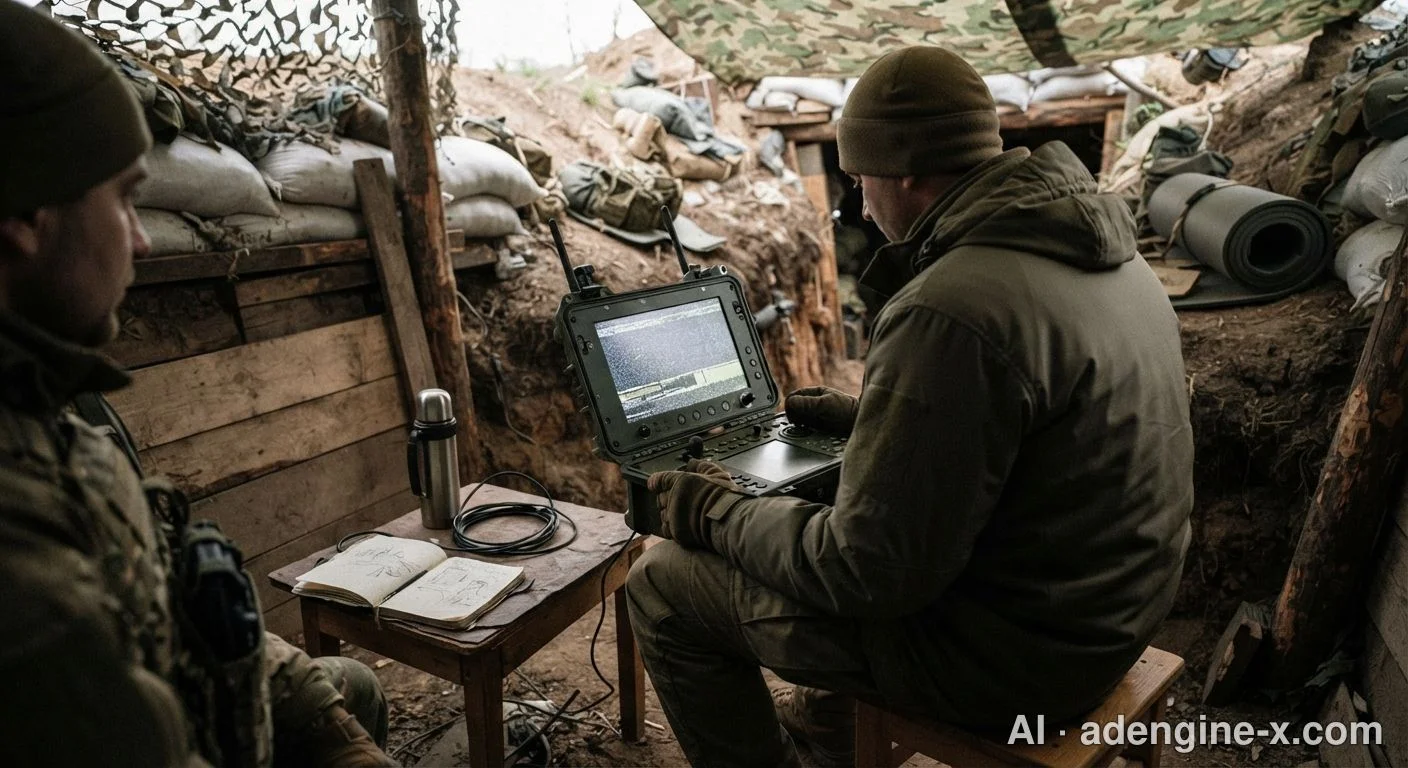
Soldiers and tactical operators experienced immediate hardware failures during combat missions. Drone pilots operating in the eastern sectors reportedly experienced sudden video freezes on encrypted control terminals. Remote aircraft lost signal lock over contested positions, causing dozens of specialized reconnaissance platforms to crash. Field commanders reported these catastrophic disruptions through encrypted Signal channels directly to digital procurement leaders.
Industry defenders claimed frontline units should rely on localized radio repeaters rather than satellite constellations. Local radio links, however, suffer extreme jamming along heavily contested frontline sectors. Commercial low-Earth orbit satellites represent the only resilient high-bandwidth transport layer available in modern warfare. Withholding that transmission layer effectively grounded tactical aerial units across entire corps areas.
Global financial markets reportedly adjusted valuation models following the reported network throttling incident. Analysts reassessing SpaceX’s public trading profile (SPCX) noted an expanding geopolitical risk discount. Sovereign defense ministries began questioning the reliability of United States commercial defense contractors. Investors recognized that arbitrary operational interruptions invite severe antitrust investigations and defense audit scrutiny worldwide.

1. Audit terminal hardware telemetry
Extract hardware diagnostic logs from each terminal interface to verify bandwidth throttle parameters. Technicians connect directly via local Ethernet ports to record dropped packet percentages and ping responses. Firmware readings verify whether signal degradation originates from electronic warfare jamming or software-defined quality-of-service caps. Documented carrier frequency caps provide legal evidence required for formal contractual dispute filings.

2. Deploy multi-orbit fallback systems
Connect auxiliary transceivers operating across secondary low-Earth orbit and medium-Earth orbit networks. Teams integrate dual-WAN routing appliances that automatically switch data traffic whenever latency exceeds 120 ms. Maintaining diversified constellations prevents frontline tactical blindness when a primary commercial provider throttles operational bandwidth. Tactical units sustain command continuity by distributing voice, video, and sensor traffic across separate satellite constellations.
3. Enforce sovereign service level terms
Demand explicit government-to-government contractual clauses prohibiting unilateral commercial network throttling. Defense procurement agencies must negotiate direct operational command over dedicated satellite transponders before deploying commercial terminals. Service agreements must stipulate financial damages and audit penalties if vendors restrict bandwidth without Joint Chiefs authorization. Strict legal protections prevent private executives from modifying operational network profiles during live engagements.
4. Integrate localized optical navigation
Install onboard machine vision and inertial guidance modules to eliminate complete satellite reliance. Engineers flash drone flight computers with terrain-matching algorithms that calculate trajectories without continuous satellite connectivity. Aircraft complete defensive or reconnaissance missions even when satellite uplinks experience severe connection drops. Autonomous terminal guidance ensures mission success across contested electromagnetic combat zones.
Technical characteristics across military communications platforms
Constellation architecture dictates operational resilience against both electronic warfare and administrative throttling. Low-Earth orbit constellations deliver superior latency profiles but remain vulnerable to software control manipulation. Geostationary platforms offer administrative stability but suffer physical latency limits and susceptibility to ground jamming. Comparing technical attributes clarifies the operational trade-offs facing allied defense procurement agencies.
| System | Constellation Orbit | Latency (ms) | Throughput (Mbps) | Sovereign Control Risk |
|---|---|---|---|---|
| Starlink / Starshield | Low Earth (550 km) | 25–45 | 100–220 | High (single corporate founder discretion) |
| Eutelsat OneWeb | Low Earth (1,200 km) | 60–90 | 50–150 | Moderate (multinational consortium structure) |
| GEO Networks (Viasat/SES) | Geostationary (35,786 km) | 600–800 | 10–40 | Low (formal defense treaty oversight) |
| EU IRIS² (Projected) | Multi-Orbit (LEO/MEO) | 30–50 | 100–200 | Minimal (intergovernmental public mandate) |
Strategic consequences for space sovereignty and procurement
Unilateral bandwidth throttling marks a permanent structural shift in defense procurement standards. The European Commission accelerated capital outlays for its independent IRIS² multi-orbit constellation following the Ukrainian outage. Member states recognized that foreign commercial monopolies jeopardize collective defense obligations during international crises. National procurement budgets now prioritize domestic sovereign satellite payloads over foreign subscription services.

United States lawmakers face mounting pressure to institutionalize commercial space fleet regulations. It is suggested that defense committees are drafting statutory rules mirroring the Civil Reserve Air Fleet framework for commercial satellite constellations. Under proposed mandates, contracted space assets pass into exclusive military operational command during authorized conflicts. Vendors face asset seizure or severe licensing revocations if they impose independent geopolitical restrictions.
Modern defense systems require technical diversity to insulate operational sovereignty from individual corporate caprice. Military forces cannot maintain tactical resilience while relying on a solitary private network operator. Building decentralized constellation access and autonomous inertial navigation represents an urgent necessity for sovereign defense forces worldwide. Reliable defense communications demand public accountability backed by unambiguous contractual authority.
Bottom line: Mitigate private satellite dependency immediately by deploying multi-orbit routing protocols and mandating legally binding sovereign operational control across all contracted defense constellations.
Immediate checklist for sovereign space resilience
To eliminate single-vendor vulnerability across frontline communications networks, defense procurement authorities must immediately implement three essential safeguards:
- Enforce unconstrained operational SLAs: Mandate binding contractual clauses that eliminate a commercial vendor's authority to alter QoS profiles, bandwidth caps, or geofencing boundaries during deployed military operations.
- Integrate multi-bearer communications: Pair commercial LEO networks with terrestrial tactical radio mesh infrastructure and secondary GEO links to prevent single-point network failure.
- Deploy autonomous terminal navigation: Equip uncrewed aerial platforms with onboard inertial navigation systems and optical visual odometry to guarantee operational execution during unexpected bandwidth throttling.
ℹ️ This article was drafted with the help of an AI tool and reviewed/edited by a human before publishing. · Original: AdEngine-X

McDonald Falls Glacier National Park: Complete Guide, Secret Overlooks, Trails & 3-Night Itinerary
🇺🇸 English (영어) · 마샬팀장 · 8/20/2026

Singapore haze stocks how to assess regulatory risk
🇺🇸 English (영어) · News Desk · 10/20/2026

Foreign travelers choosing Seoraksan National Park over Swiss Alps
🇺🇸 English (영어) · 마샬팀장 · 10/9/2026

Dolly Parton & Dollywood Family Vacation Guide: 3-Night 4-Day Smoky Mountains Itinerary, Budget Breakdown & Parent Checklist
🇺🇸 English (영어) · Lifestyle Desk · 8/25/2026
More from this author




🗞️ Source material
- Elon Musk ordered Starlink slowdown for Ukraine: Report— Ref: CNBC (headline & link)
This article was independently written and edited by AdEngine-X based on the facts reported in the sources below. No original wording or photos were used.
📚 References
This list may include both live search sources the AI referenced while writing and public-data sources checked during fact verification. Please verify the original sources before citing or reusing.
0 Comments
Loading comments...