Twist Bioscience TWST: Lilly TuneLab Deal and Target Analysis
(Advertisers wanted)
(Advertisers wanted)
📌 Topic & Subject
This article discusses Twist Bioscience's commercial data partnership with Eli Lilly's TuneLab platform and its financial performance, including upgraded fiscal 2026 revenue guidance. It highlights the company's silicon-based DNA synthesis technology and its role in providing wet-lab validation and antibody characterization data for AI-driven drug discovery.
(Advertisers wanted)
(Advertisers wanted)
📌 Table of Contents
- 1. Market presence and fiscal performance
- 2. Comparative performance across technology platforms
- 3. The TuneLab discovery ecosystem
- 4. Silicon synthesis technological foundations
- 5. Strategic partnerships and commercial alignment
- 6. Operating risks and capital constraints
- 7. Long-term clinical and market implications
Twist Bioscience entered a commercial data partnership with Eli Lilly’s TuneLab platform, projecting AI-linked discovery revenue will double to $100M by 2027. The integration positions the synthetic biology supplier to capture high-margin wet-lab validation demand as pharmaceutical research shifts from computational inference to standardized empirical testing.
Key takeaways:
- Twist provides antibody characterization data for Eli Lilly’s proprietary AbLab prediction models.
- Management raised fiscal 2026 revenue guidance to approximately $456M–$457M.
- Free cash outflow narrowed to approximately $8.6M, supporting operational stability through fiscal 2027.
Market presence and fiscal performance
Twist Bioscience posted fiscal third-quarter 2026 revenue of approximately $118.4M. That figure marks an increase of more than 23% year-over-year. The milestone represents the fourteenth consecutive quarter of sequential top-line expansion for the South San Francisco manufacturer.
 🔍
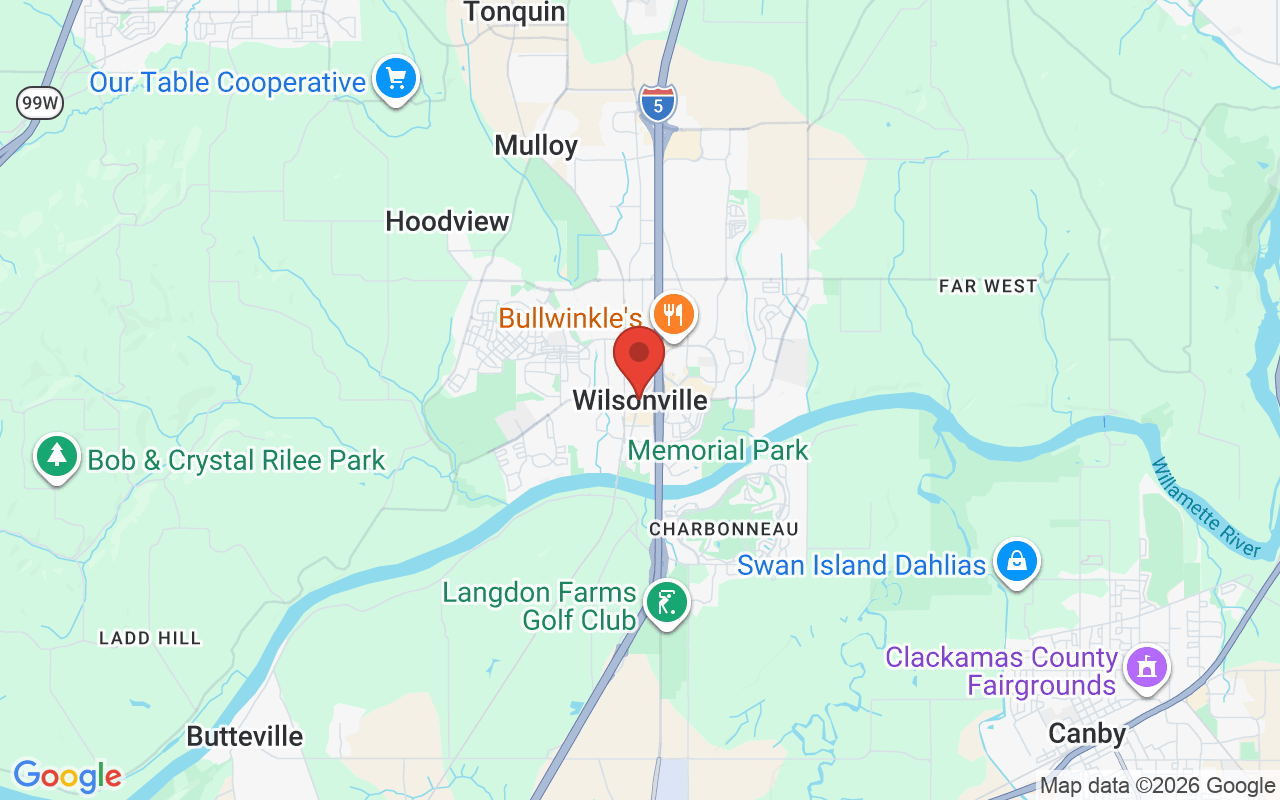
🔍Operational execution drove gross margin to 52.8% for the quarter. This performance reflects structural manufacturing gains compared to early low-margin operating cycles. Increased utilization at the Wilsonville, Oregon production facility continues to lower fixed overhead per synthesized base pair.
 🔍
🔍Management updated its full-year guidance upward to $456M–$457M. The revision reflects sustained demand across synthetic genes, oligo pools, and next-generation sequencing target enrichment panels. The expanded commercial baseline provides visibility as pharmaceutical clients onboard automated synthesis pipelines.
Balance sheet liquidity metrics
Cash and short-term investments stood at approximately $167M at quarter close. The debt-to-equity ratio settled at approximately 0.21, reflecting low financial leverage relative to life-science peers. This conservative capital profile limits debt-servicing headwind during period fluctuations.
Operating cash flow approached break-even territory during the recent three-month cycle, though exact figures may vary. Free cash outflow contracted to roughly $8.6M. The reduction in net burn extends Twist’s operational runway without requiring immediate dilutive equity financing.
Valuation revisions and broker actions
Twist Bioscience equity rallied between approximately 4% and 9.74% across exchanges following the announcement. Trading desks responded positively to the recurring nature of pharmaceutical software workflow integrations. Institutional trading volumes outpaced thirty-day moving averages by more than 40%.
According to research issued by Leerink Partners, the broker maintained an Outperform rating while raising its target price from $120 to approximately $160. Concurrently, UBS initiated equity coverage with a Neutral recommendation and a $144 target, well above historical consensus levels of approximately $87.56.
Comparative performance across technology platforms
Twist operates a semiconductor-based DNA synthesis platform using microfluidic silicon chips. Traditional contract research organizations rely on 96-well plastic microplates with higher reagent consumption. Pure-play in-silico discovery groups focus on computational algorithms without wet-lab assay capability.
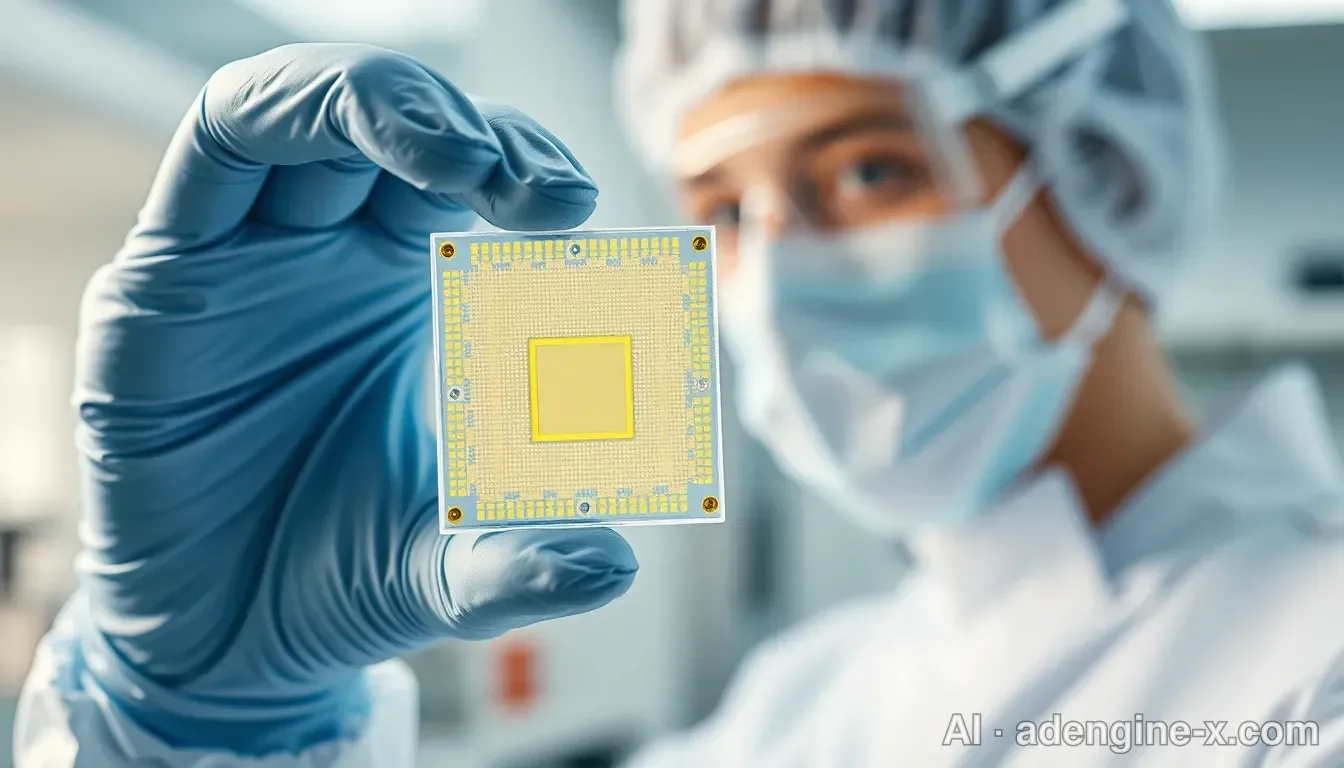
The silicon architecture delivers standard synthesis scale at low chemical volume. High density minimizes batch-to-batch variation, generating uniform datasets required for machine learning. The following comparative matrix outlines core structural differentials across the competitive sector.
| Metric or Feature | Twist Bioscience (TWST) | Legacy CROs (GenScript, etc.) | In-silico Discovery Firms |
|---|---|---|---|
| Synthesis Architecture | Silicon microfluidic chip (High throughput) | 96-well plastic plates (Chemical synthesis) | No internal synthesis (Compute cluster) |
| Data Homogeneity | Semiconductor-grade tolerance; low error variance | Variable batch-to-batch drift and manual prep | External reliance; heterogeneous noise |
| Business Model | Infrastructure provider (Data and physical tools) | Transactional fee-for-service testing | Milestone-dependent pipeline licensing |
| Gross Margin Profile | Approximately 52.8% (Expanding toward 60% target) | 35.0%–45.0% (Pricing pressure exposure) | 65.0%–80.0% (Software licensing basis) |
| Partner Alignment | Eli Lilly TuneLab, Anthropic AI validation | Independent bilateral commercial accounts | Pharma co-development pacts |
The TuneLab discovery ecosystem
Eli Lilly launched TuneLab as a core pillar under its broader Lilly Catalyze360 biotechnology research program. TuneLab distributes proprietary pharmaceutical discovery datasets to external research partners through cloud software. The interface provides smaller drug developers direct access to internal predictive tools.
Biopharmaceutical discovery workflows encounter systemic attrition rates in early antibody selection. Candidate sequences often show high target binding in computational models but fail physical developability testing. In-vitro instability, aggregation, and low expression derail lead assets before formal clinical entry.
TuneLab deploys machine learning models trained on internal historical molecular libraries. The platform evaluates small molecule absorption, distribution, metabolism, and excretion alongside complex antibody parameters. Twist directly powers the developability prediction layer through dedicated laboratory profiling.
The AbLab prediction architecture
AbLab operates inside TuneLab as an automated scoring engine for experimental antibody sequences. The model calculates thermodynamic stability, electrostatic repulsion, and aggregation propensities before wet-lab synthesis begins. Researchers screen multi-thousand sequence variants to isolate functional therapeutic leads.
Predictive accuracy requires uniform empirical validation to correct algorithmic drift. Synthetic lead candidates flagged by AbLab route directly into physical characterization protocols at Twist. Standardized assays generate continuous ground-truth data points regarding molecular integrity and functional target binding.
Federated model training mechanisms
TuneLab utilizes a federated learning architecture to train predictive networks across distributed institutional user groups. Client enterprises operate isolated workspaces without sharing proprietary sequence records or target structures. The network preserves commercial intellectual property across competitive discovery programs.
Model weights update locally on remote compute nodes following each Twist wet-lab screening run. Encrypted gradient updates transmit to Lilly’s central aggregate network, refining baseline scoring without disclosing raw structural inputs. Twist standardizes the underlying assay parameters, maintaining statistical alignment across distinct client submissions.
Silicon synthesis technological foundations
Twist synthesizes oligonucleotides on custom silicon semiconductor matrices rather than microplates. The silicon chip matches the dimensional footprint of standard laboratory microplates but incorporates thousands of discrete micro-channels. Reagents flow continuously through microscopically etched wells via solid-phase phosphoramidite chemistry.
The platform synthesizes up to 1,000,000 unique single-stranded DNA oligos simultaneously on a single chip. Legacy plate machines construct 96 individual strands within an equivalent physical area. Miniaturization reduces chemical volume requirements by roughly 99.9%, curtailing exposure to volatile specialty reagents.
Silicon manufacturing delivers uniform chemical coupling efficiency across all reaction clusters. Low variation prevents sequence dropout during large-scale library assembly. Standardized synthesis yields homogeneous antibody populations essential for high-throughput biophysical profiling.
Silicon scaling versus legacy plastic wells
Plastic 96-well synthesis suffers from thermal gradients and manual dispensing variance across plates. Pipetting margins introduce baseline errors into downstream concentration measurements. Consequently, legacy chemical synthesis generates noise that reduces machine learning training efficiency.

Twist’s automated Wilsonville facility standardizes temperature, fluidics, and drying cycles through environmental sensors. Synthesis uniformity generates quantitative antibody characterization data that aligns directly with computational algorithms. The resulting reliability eliminates systematic error in comparative training sets.
Operational characterization workflows
Client biotechnology teams submit candidate sequences selected through TuneLab via secure programming interfaces. The integrated software platform assigns production batches to Twist’s high-throughput automated synthesis queues. Synthesis occurs via TuneLab-preferred Twist protocols designed for optimal yield consistency.

Technicians express, purify, and characterize physical antibodies using surface plasmon resonance and differential scanning fluorimetry. Automated measurement tools record physical stability, binding kinetics, and solubility parameters. Structured analytical reports return to the client interface while masked training features update the AbLab scoring engine.
Strategic partnerships and commercial alignment
Twist’s agreement with Eli Lilly follows an operational validation program conducted alongside Anthropic in August 2026. Anthropic utilized Twist’s physical laboratories to validate computationally designed protein binders. That engagement proved the company’s wet-lab throughput could match algorithmic design velocity.
Securing relationships with both computational providers and top-tier pharmaceutical developers diversifies enterprise touchpoints. Rather than competing against AI design teams, Twist monetizes physical verification requirements. The strategy establishes defensive positioning across corporate discovery budgets.
The pharmaceutical sector increasingly treats standardized biology as an infrastructure utility. Life-science developers focus internal resources on target biology while outsourcing baseline chemical synthesis. Twist captures aggregate demand by embedding its synthesis services directly inside major discovery interfaces.
Leadership perspectives on execution
Emily M. Leproust, Ph.D., CEO and co-founder of Twist Bioscience, confirmed the operating focus of the partnership. Leproust stated:
“The quality of an AI model's output depends on the quality of the data used to train it. Twist has the scale and high-throughput capabilities to generate consistent and reliable antibody characterization data these models need to be trained on.”
Leproust added:
“Lilly's leadership in empowering AI-enabled drug discovery and its impressive network of partnerships create a powerful ecosystem that brings together advanced models and high-quality data. Through this arrangement, TuneLab users can select preferred protocols to generate high-quality data with preferred pricing - both helping them to more efficiently select antibody sequences against their targets and contribute that data back to TuneLab for federated training.”
Industry observers and platform developers highlight ecosystem scaling priorities, noting that early developability modeling resolves critical bottlenecks in monoclonal antibody development and that reliable wet-lab partnerships are necessary to maintain federated predictive accuracy across enterprise user groups.
Market sentiment across institutional networks
Biotechnology investors have highlighted the infrastructure dynamics of the partnership. Industry commentary across investment platforms frames Twist as a supplier of physical tools during an AI discovery expansion. The model generates recurring revenue irrespective of single-molecule clinical outcomes.
Early-stage discovery startups operating within Lilly Catalyze360 report shorter turnarounds for hit identification. Participating biotechnology teams note that pre-configured synthesis workflows eliminate procurement delays. Seamless order execution inside the discovery portal encourages continuous laboratory iteration.
Operating risks and capital constraints
Twist maintains a structural operating deficit despite strong top-line gains. Operating margin sits near -32%, driven by capital depreciation and ongoing R&D investments. Fixed costs associated with advanced semiconductor fabrication require persistent manufacturing volume to achieve corporate profitability.
Contractual terms governing the Eli Lilly TuneLab agreement remain undisclosed. The agreement provides variable service fees rather than guaranteed upfront licensing payments or fixed purchase obligations. Near-term cash generation depends on active workflow ordering by external TuneLab biotechnology subscribers.
Competitive developments present additional commercial risks. Legacy contract manufacturers continue to invest in automated synthesis platforms to compress turnaround times. Continued market leadership requires Twist to sustain price advantages across its silicon manufacturing platform.
IP protection and data governance parameters
Participating biotechnology companies must review data rights before submitting sequences through shared discovery frameworks. TuneLab leverages experimental data to refine aggregate neural weights across the federated network. Discovery firms must confirm that proprietary epitope binding claims remain uncompromised.
Service agreements establish operational barriers isolating raw sequence data from unauthorized inspection. Data handling protocols verify that proprietary molecule files remain segregated within independent client vaults. Clear legal boundaries protect early-stage client assets from broad platform absorption.
Pricing models and access conditions
Authorized TuneLab accounts access specialized tiered pricing schedules for characterization assays. Discounted synthesis units lower operational adoption barriers for emerging discovery ventures. Automated enterprise accounting consolidates laboratory charges within the primary software platform interface.
Organizations must secure Catalyze360 credentialing before accessing preferred commercial rates. Specific synthesis terms, screening lead times, and capacity reservations depend on individual platform service levels. Institutional program documentation governs specific transactional conditions.
Long-term clinical and market implications
Algorithmic screening combined with rapid physical verification accelerates the identification of therapeutic antibody leads. Traditional discovery timelines spanning two to three years may contract to several months. Early screening eliminates insoluble and unviable proteins prior to costly preclinical development.
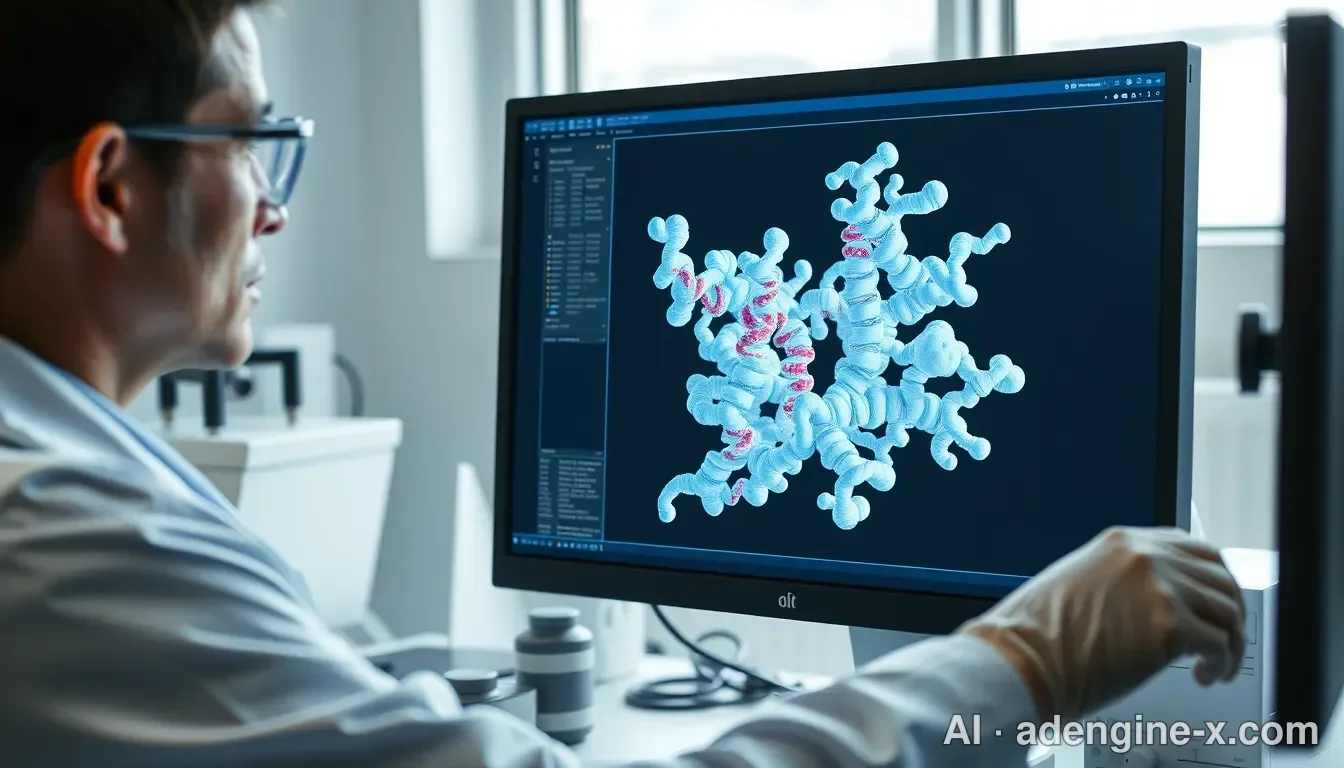
Downstream clinical trials benefit from higher molecular stability profiles in optimized leads. Reducing unforced developability failures lowers the aggregate capital cost required to commercialize approved therapies. Enhanced manufacturing economics support clinical development for complex, rare disease targets.
From an equity perspective, Twist’s expansion into high-value data generation strengthens its fundamental valuation framework. Transitioning from commodity genetic synthesis to proprietary data services expands gross margin potential toward corporate targets. Achieving guidance targets will depend on expanding pharmaceutical workflow integrations across fiscal 2027.
Bottom line: Twist Bioscience’s integration into Lilly TuneLab transforms the company from an oligo tool vendor into an essential validation layer for pharmaceutical AI discovery.
ℹ️ This article was drafted with the help of an AI tool and reviewed/edited by a human before publishing. · Original: AdEngine-X
More from this author




📚 References
This list may include both live search sources the AI referenced while writing and public-data sources checked during fact verification. Please verify the original sources before citing or reusing.
0 Comments
Loading comments...