
Foreign travelers choosing Seoraksan National Park over Swiss Alps
(Advertisers wanted)
(Advertisers wanted)
📌 Topic & Subject
This article explores the rising popularity of Seoraksan National Park among international travelers as a global alternative to the Swiss Alps and North American Rockies. It highlights the park's unique alpine-maritime landscape, key landmarks like Ulsanbawi and Sinheungsa temple, and the resulting surge in luxury hospitality and regional infrastructure developments in areas like Sokcho and Yangyang.
(Advertisers wanted)
(Advertisers wanted)
📌 Table of Contents
- 1. Seoraksan National Park emerges as a global alternative to European alpine destinations
- 2. Analyzing the shift toward wellness and outdoor exploration
- 3. Atmosphere at the peak and global community sentiment
- 4. Luxury infrastructure and the high-end hospitality surge
- 5. Historical context and cultural significance of the region
- 6. Operational logistics and practical information for travelers
- 7. Future outlook and the upcoming rail transportation revolution
Seoraksan National Park emerges as a global alternative to European alpine destinations
Foreign visitor numbers in Sokcho were reported to be approximately 241,542 between January and August 2026. This represents an estimated 26% increase compared to the same period in 2025. Data indicates a significant shift in South Korean tourism trends. International travelers are moving beyond Seoul shopping districts toward the rugged granite peaks of Gangwon Province.
Seoraksan National Park (설악산국립공원) was designated a UNESCO Biosphere Reserve in 1982. Its unique landscape combines sharp vertical ridges with immediate proximity to the East Sea. Global hiking communities now compare these trails to the Swiss Alps and the North American Rockies. This surge in interest is reshaping the regional hospitality industry and infrastructure development.
Table 1: Foreign Visitor Demographics in Sokcho (Jan–Aug 2026)
| Nationality | Cumulative Share (%) | August Peak Share (%) | Primary Interest |
|---|---|---|---|
| Indonesia | 15.2% | 7.8% | Autumn Foliage / Winter Snow |
| United States | 10.1% | 12.3% | Rugged Hiking / Backpacking |
| China | 7.6% | 10.6% | Sightseeing / Seafood |
| Germany | 6.1% | 11.6% | Alpine Comparison / Wellness |
| France | 3.2% | 9.3% | Cultural Exploration |
Analyzing the shift toward wellness and outdoor exploration
Post-pandemic travel preferences have pivoted toward wellness and local immersion. Western backpackers and Southeast Asian tourists are increasingly seeking authentic natural experiences. Traditional urban tourism in districts like Myeong-dong is losing relative share to mountain-sea hybrid clusters. Seoraksan National Park provides a vertical intensity that contrasts with the sprawl of Seoul.
The geographic proximity of 1,000m (3,280ft) peaks to the coastline is rare globally. Hikers can summit Ulsanbawi (울산바위) and reach the beach within one hour. This dual-environment appeal attracts high-income travelers seeking multifaceted itineraries. Hospitality firms are responding by constructing high-end resorts in Sokcho, Goseong, and Yangyang.
Western hikers often utilize digital platforms like AllTrails and Reddit to share route data. These communities highlight the "ruggedness" of the granite terrain. Many reviews suggest that Seoraksan offers a more physically demanding experience than typical European trails. The rapid dissemination of these experiences has bypassed traditional travel agencies.
Atmosphere at the peak and global community sentiment
On the Ulsanbawi trail, foreign languages are now as common as Korean. The course features over 800 steep steel and wooden steps. It holds a 4.8 out of 5.0 rating on the hiking app AllTrails. Users describe the climb as a "stairway to both heaven and hell" due to its technical difficulty and rewarding views.
American bloggers have noted that the granite ridges resemble the Colorado Rockies but with a maritime backdrop. Southeast Asian visitors prioritize the visual contrast of the four seasons. They frequently share short-form videos of the Sinheungsa (신흥사) Great Bronze Buddha. The spiritual atmosphere of the Geumganggul (금강굴) cave also receives high engagement on social media.
Hotel occupancy data reflects this demographic transformation. The Kensington Hotel Seorak reported that approximately 50% of its September 2026 guests were foreign nationals. This is a sharp increase from 14% in 2023. This change indicates that Seoraksan is no longer a domestic-only destination.
Luxury infrastructure and the high-end hospitality surge
Developers are moving away from budget motels toward ultra-luxury facilities. The Grand Kensington Seorak Beach in Goseong features 72 high-end units. These rooms range from 184 to 462 square meters (about 1,980 to 4,970 square feet). The resort includes a private beach and a permanent Pablo Picasso ceramic collection.
Inscape Yangyang by Parnas stands as the tallest building on the coast at 174.6m (572ft). Approximately 91% of its 393 rooms are suites. These developments target global high-net-worth individuals who demand premium amenities. The integration of fine dining and art galleries into mountain resorts is a new industry standard.
Industry experts observe that Gangwon Province is transitioning into a year-round luxury hub. Annual visitor numbers to the region are reported to exceed 150 million. The demand for private, high-quality accommodation has outpaced the existing supply. This has led to a surge in membership-based resort investments.
Table 2: Comparison of Seoraksan vs. Swiss Alps vs. Japan North Alps
| Feature | Seoraksan (South Korea) | Swiss Alps (Jungfrau/Matterhorn) | Japan North Alps (Nagano) |
|---|---|---|---|
| Peak Elevation | 1,708m (5,604ft) | 3,000m - 4,000m+ | 3,000m+ |
| Terrain Type | Sharp Granite Ridges | Glacial / Alpine Meadows | Volcanic / Snow-capped |
| Sea Proximity | Extreme (under 10km) | None (Inland) | Moderate |
| Access (from Capital) | 2.5 hours (Bus) / approx. 99 min (Rail) | 2 - 3 hours (Train) | 3 - 4 hours (Train/Bus) |
| Infrastructure Style | Rugged Trails / New Luxury | High-tech Cable Cars / Trains | Traditional Ryokans |
Historical context and cultural significance of the region
Seoraksan has long served as a symbol of South Korean natural heritage. The Kensington Hotel Seorak formerly functioned as a "State Guest House" for visiting presidents. Its lobby displays authentic British royal artifacts and presidential calligraphy. This historical depth provides an additional layer of interest for international visitors.
The Ulsanbawi trail infrastructure reportedly underwent a major safety upgrade in 2012. The National Park Service replaced the dangerous "808 steel stairs" with a safer deck system. This ₩2.3 billion (about $1.7 million) project improved accessibility without compromising the view. These investments have made the difficult terrain manageable for a wider range of tourists.
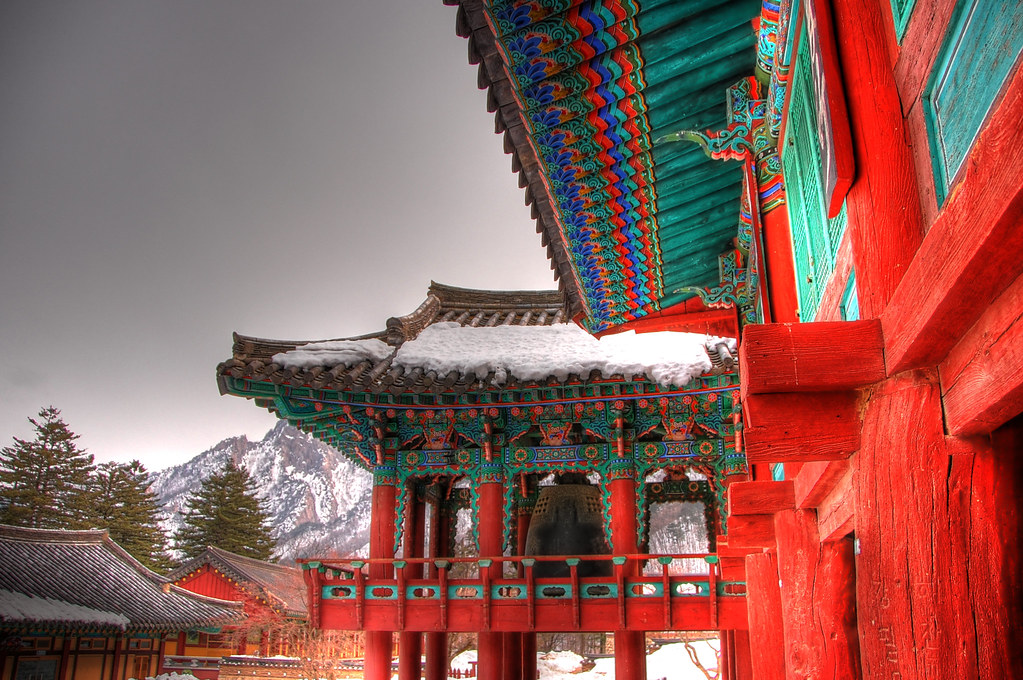
Cultural assets like the Sinheungsa temple date back to the 7th century. The presence of Buddhist heritage within the mountain adds a spiritual dimension. Western travelers often cite this as a key differentiator from European mountain ranges. The combination of nature and ancient history creates a unique value proposition.
Operational logistics and practical information for travelers
Accessing the park from Seoul requires a 2.5-hour bus ride from the Express Bus Terminal. One-way tickets cost between ₩18,000 and ₩26,000 (about $13 to $19). Local buses 7 and 7-1 connect Sokcho city center to the park entrance in 30 minutes. Entrance to the national park is now free following legislative changes in 2023.
The Seorak Cable Car to Gwongeumseong (권금성) costs ₩16,000 (about $12) for adults as of 2026. Tickets are only available for on-site purchase due to weather-dependent operations. Hikers should wear footwear with high traction due to the slippery granite surfaces. Temperature drops are common even in late spring and early autumn.
Seasonal closures occur during high-risk forest fire periods. These usually run from March to May and November to mid-December. Travelers should check the Korea National Park Service website before planning high-altitude treks. Staying in Sokcho for at least three nights is recommended to experience both the peaks and the coast.
International hikers and reviewers have frequently remarked on social media that the vertical scale and ruggedness of Seoraksan rival the Rockies, enhanced by a unique spiritual atmosphere surrounding its historic temples and caves.
Future outlook and the upcoming rail transportation revolution
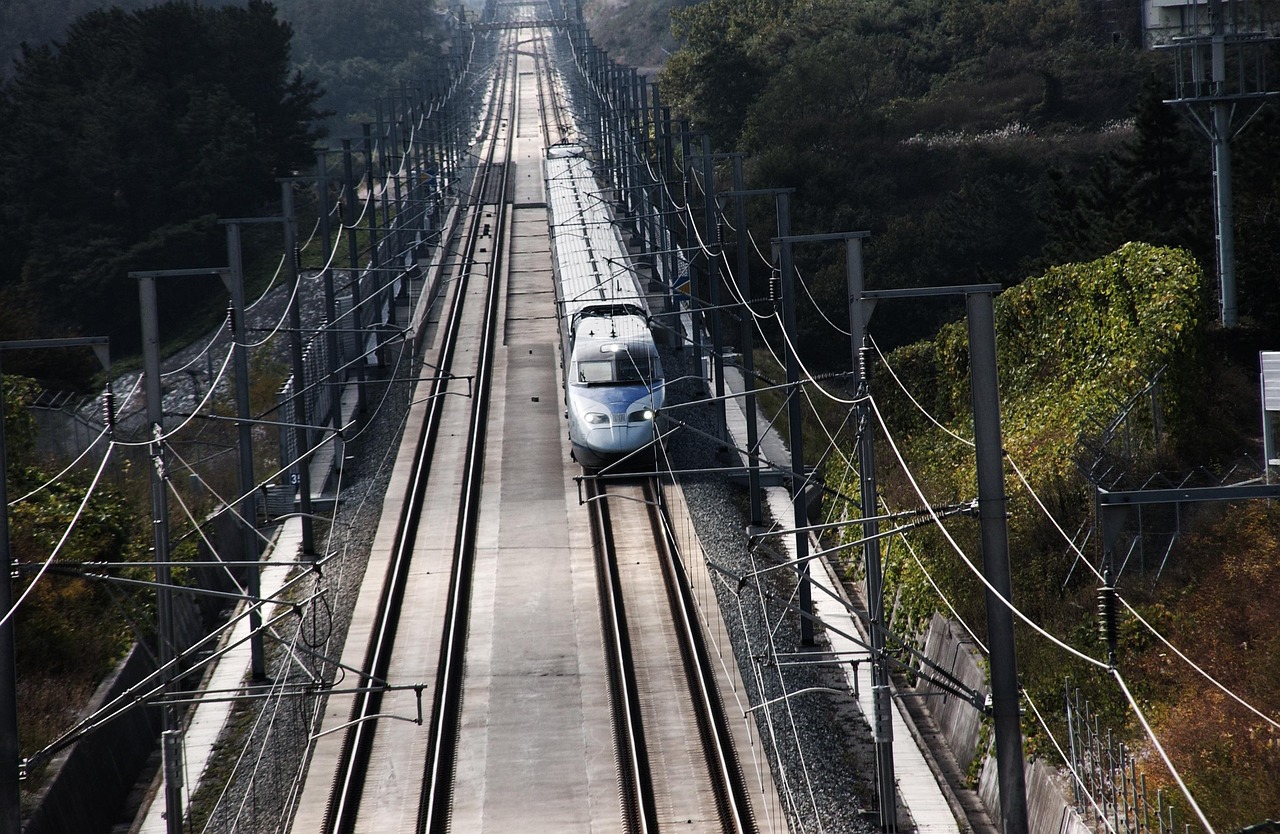
The completion of the Chuncheon-Sokcho high-speed rail line, originally targeted for 2027 but now projected around 2028–2029 due to revised construction schedules, will be a turning point. KTX-Eum trains will connect Seoul's Yongsan Station to Sokcho in approximately 99 minutes. This will reduce travel time significantly from current bus durations. This infrastructure will likely trigger a massive increase in day-trip and weekend international tourism.
Global hotel chains like Banyan Tree (Cassia Sokcho) are already establishing footprints. The region is evolving into an "Active Wellness" hub for the Asian market. This includes surfing in Yangyang and specialized trekking programs in Goseong. The integration of high-speed rail and luxury lodging will solidify the region's global standing.

Environmental sustainability remains a primary challenge for the National Park Service. Increased foot traffic risks damaging vulnerable ecosystems. Authorities are considering expanded reservation systems for popular peaks. Balancing economic growth with conservation will be the key focus for the next decade.
Bottom line: Travelers should visit Seoraksan now before the upcoming high-speed rail opening significantly increases trail congestion.
ℹ️ This article was drafted with the help of an AI tool and reviewed/edited by a human before publishing. · Original: AdEngine-X
More from this author


📚 References
This list may include both live search sources the AI referenced while writing and public-data sources checked during fact verification. Please verify the original sources before citing or reusing.
0 Comments
Loading comments...