Why Elon Musk election spending impacts Tesla and SpaceX
📌 Topic & Subject
This article examines how Elon Musk's record-breaking political contributions of approximately $366 million to federal campaigns and super PACs directly impact the regulatory and operational futures of Tesla and SpaceX. It details his strategic investments in congressional and state races, the heavy federal contracts and autonomous driving regulations involving his companies, and the resulting financial and consumer considerations for households.
📌 Table of Contents
- 1. Why did Elon Musk spend $366 million?
- 2. How did campaigns distribute the donated funds?
- 3. Which federal contracts protect SpaceX business lines?
- 4. Does Tesla face autonomous driving regulatory hurdles?
- 5. Why do government watchdogs allege conflict of interest?
- 6. How do traditional defense contractors handle lobbying?
- 7. What does political polarization mean for consumers?
- 8. How should families evaluate Tesla vehicle purchases?
- 9. Why are Texas factory projects politically significant?
- 10. How does corporate net worth affect market stability?
- 11. How should families manage related financial exposure?
- 12. Essential Checklist for Household Portfolio and Vehicle Decisions
Tesla and SpaceX chief executive Elon Musk directed approximately $366 million into federal campaigns during the current election cycle. That record expenditure establishes Musk as one of the largest individual political donors in American history. The unprecedented cash influx connects the future of his commercial empire directly to election results in Washington and Texas.
His business operations rely heavily on decisions made by federal regulators and congressional committees. SpaceX manages tens of billions of dollars in federal defense and spaceflight agreements. Meanwhile, Tesla depends on uniform national standards for autonomous driving. For households managing vehicle budgets and retirement portfolios, this corporate political entanglement creates immediate financial considerations.
Why did Elon Musk spend $366 million?
Musk reportedly deployed approximately $366 million to secure legislative support and ease regulatory restrictions on his major enterprises. His capital targets congressional races and state leadership contests where administrative policies directly affect autonomous vehicles, space transport, and commercial artificial intelligence infrastructure.
Musk previously described himself as an independent centrist who split small corporate donations between political parties. That approach shifted after 2022 when federal vehicle incentives favored unionized automakers and state legislation in California challenged his operational preferences. During the 2024 presidential contest, Musk directed roughly $290 million to America PAC.
Although he signaled an intention to moderate his political outlays afterward, federal filings confirmed an expanded donor footprint. Federal agencies now scrutinize Tesla autopilot safety while SpaceX seeks rapid launch license approvals. Financial analysts view the substantial political contributions as a strategic hedge to safeguard vital federal contracts and dismantle bureaucratic obstacles.
How did campaigns distribute the donated funds?
The majority of the funds flowed into congressional leadership funds and voter mobilization groups across key states. Summer filings revealed an acceleration in donations, with at least $276 million sent directly to conservative committees after July.
The Senate Leadership Fund reportedly received $158 million from Musk in a series of summer transactions. That total represents one of the largest transfers from an individual donor to a congressional committee. America PAC reportedly received an additional cash injection exceeding $76 million to finance door-to-door ground staff and voter turnout drives.

Significant resources also focused on Texas, where Musk relocated corporate headquarters for Tesla and SpaceX. Super PACs and affiliated groups directed at least $189.6 million to back Republican Ken Paxton in federal Senate contests. State leaders, including Governor Greg Abbott and Lieutenant Governor Dan Patrick, reportedly collected more than $6 million in related support.
| Recipient Entity | Allocation Amount | Primary Operational Objective |
|---|---|---|
| Senate Leadership Fund | $158,000,000 | Securing majority control of the federal Senate |
| America PAC Operations | $76,000,000+ | Voter registration, direct mail, and door-to-door canvassing |
| Texas Federal PAC Alignments | $189,600,000 | Independent expenditures supporting Ken Paxton |
| Texas State Officials | $6,000,000+ | Gubernatorial and legislative regulatory alignment |
Which federal contracts protect SpaceX business lines?
SpaceX reportedly relies on billions of dollars in active federal agreements to fund rocket development and satellite constellations. Federal procurement database FedScout reports that the commercial space company has secured over $30.7 billion from United States agencies since 2008.
Procurement expanded rapidly during the current fiscal year. Single-year contract awards reportedly reached $6.78 billion by October 1. That annual total is roughly 1.8 times the $3.8 billion awarded across the entirety of 2024.
The United States Space Force reportedly awarded SpaceX a $2.29 billion agreement for a secure military communications network linked to the Golden Dome initiative. Just three days later, the Pentagon reportedly added a $4.16 billion contract for space threat detection satellites. These figures exclude classified intelligence operations and regular Starlink subscriptions purchased by defense entities.
Does Tesla face autonomous driving regulatory hurdles?
Yes, Tesla requires federal action to clear legal pathways for its Full Self-Driving technology and commercial robotaxi fleets. The National Highway Traffic Safety Administration continues to evaluate collision records and driver interaction data across North American highways.
Tesla holds a commanding commercial presence, with reportedly over 75% of third-quarter vehicle buyers in North America purchasing or subscribing to Full Self-Driving. However, commercial autonomous operation remains restricted by state licensing laws and federal motor vehicle safety rules. Musk described federal regulatory review delays as the most critical bottleneck for technical advancement.
Musk also advocated for the removal of broad consumer electric vehicle tax credits. Legacy competitors rely heavily on consumer credits to balance production costs. A federal elimination of these subsidies would pressure traditional manufacturers while Tesla concentrates on self-driving network deployment.
Why do government watchdogs allege conflict of interest?
Watchdog groups point to potential conflicts between federal contracting rules and massive individual political expenditures. Federal statutes prohibit corporations holding direct procurement contracts from contributing to federal political campaigns.
Musk circumvents contractor donation restrictions by utilizing personal funds and independent expenditure committees. Brennan Center for Justice program director Daniel Weiner called the scale of donations striking given the volume of federal business awarded to Musk’s companies. Weiner noted that personal transfers to super PACs exploit gaps in existing procurement integrity rules.
Opposition candidates raised vocal objections during local campaigns. Texas Senate candidate James Talarico stated that Musk was trying to buy the Texas Senate seat through multi-million dollar outside expenditures. House Democrats also demanded formal hearings and Government Accountability Office reviews regarding America PAC donors and procurement awards.
How do traditional defense contractors handle lobbying?
Traditional contractors split their contributions across both major political parties to preserve institutional ties regardless of election outcomes. Aerospace firms like Boeing and Lockheed Martin spread smaller corporate committee donations among members of defense and appropriations panels.
Musk abandoned that bipartisan balance in favor of a concentrated bet on conservative majorities. His high-risk strategy links the regulatory fortunes of his companies to specific partisan leadership. If his preferred candidates secure power, regulatory clearances for space operations and automated driving may accelerate.
Competitors could benefit if election outcomes swing against Musk’s preferred candidates. The United Launch Alliance and Jeff Bezos’s Blue Origin maintain balanced political relationships across both parties. A hostile administration or congressional majority could direct antitrust scrutiny toward SpaceX launch dominance or reallocate lunar exploration budgets.
What does political polarization mean for consumers?
Political spending by chief executives alters brand perception and changes household purchasing patterns. Urban consumers who previously led the transition toward electric vehicles express rising frustration with overt partisan activism.
Online driver forums and consumer boards show progressive buyers canceling reservations or shifting to alternative brands. Competitors such as Rivian, Polestar, Hyundai, and Lucid capture drivers seeking alternatives to Tesla. Conversely, conservative suburban families who once avoided electric vehicles now view the Model Y and Cybertruck as appealing purchases.
Voter outreach efforts funded by Musk also created operational friction in several states. America PAC distributed automated text messages to voters in Colorado and Washington regarding ballot applications. State election officials issued formal warnings after the automated messages confused voters who already lived in mandatory mail-ballot jurisdictions.
How should families evaluate Tesla vehicle purchases?
Families purchasing an electric vehicle should examine depreciation risks alongside political headlines. Rapid retail price cuts and brand controversy have depressed resale valuations for used Model 3 and Model Y sedans across secondary markets.
Households should evaluate autonomous software upgrades carefully before paying upfront fees between $8,000 and $12,000. Federal regulatory approvals remain pending, meaning the package operates strictly as driver assistance rather than true driverless transit. Parents should also inspect hardware features, including emergency rear door release mechanisms and child sensor sensitivity.
| Household Decision Area | Identified Risk Factor | Recommended Practical Action |
|---|---|---|
| Electric Vehicle Purchase | Accelerated residual value depreciation and brand backlash | Compare 3-year resale curves against Rivian, Hyundai, and Kia models |
| Software Feature Selection | Federal delays on full commercial robotaxi deployment | Utilize monthly software subscriptions instead of paying full upfront costs |
| Retirement & 529 Portfolios | High volatility from federal inquiries and corporate equity shifts | Review broad index ETF exposure where Tesla represents 3% to 4% of holdings |
| Corporate Governance Shifts | Potential equity dilution in future Tesla and SpaceX cross-investments | Monitor shareholder proxy proposals regarding multi-company board oversight |
Why are Texas factory projects politically significant?
Corporate relocations to Texas provide operational scale while increasing reliance on state regulatory protections. Musk moved corporate charters to Texas to secure local tax advantages and regulatory autonomy for extensive industrial projects.
SpaceX is expanding its semiconductor production plant near Houston alongside the Tesla Gigafactory in Austin. These manufacturing sites demand substantial water allocations, heavy electrical grid capacity, and permits from local authorities. Financial backing for state leaders helps preserve favorable zoning and utility rules for these facilities.
Federal involvement introduces additional complexity. Musk previously advised the Department of Government Efficiency, proposing reductions in federal oversight agencies. His policy recommendations targeted the Federal Aviation Administration, the Environmental Protection Agency, and the Securities and Exchange Commission, each of which maintains open inquiries into his corporate activities.
How does corporate net worth affect market stability?
Concentrated executive wealth creates sharp swings in public equity valuations during election seasons. Musk maintains an effective ownership stake of roughly 19.8% to 20% in Tesla, alongside an estimated 42% holding in publicly traded SpaceX.
Calculations from Bloomberg and Forbes reportedly show his personal net worth shifting between $1.04 trillion and peak intraday figures near $1.45 trillion. Price adjustments in Tesla stock immediately influence broader index funds held by everyday retirement savers. If election developments trigger congressional investigations, headline volatility spreads quickly across consumer equity markets.
Musk addressed speculation regarding a structural merger between Tesla and SpaceX by citing high shareholder voting thresholds. Any potential consolidation requires affirmative votes from 50% of outstanding shareholders. Retail investors must track corporate governance filings to protect themselves from dilution if shared capital structures advance.
How should families manage related financial exposure?
Families should audit their portfolios and vehicle purchases to manage corporate political risks. Check college savings plans and broad market index funds to gauge total exposure to automotive and defense equities. When buying a family vehicle, lease terms often provide stronger downside protection against sudden residual value declines than outright purchases.

Review family balance sheets twice a year to ensure diversified retirement allocations. Specific contract details and investment guidelines depend on institutional prospectus terms, official lender underwriting, and individual household budgets.
Essential Checklist for Household Portfolio and Vehicle Decisions
- Review index exposure: Audit 529 plans and retirement accounts to measure indirect exposure to automotive equities vulnerable to political headlines.
- Evaluate vehicle financing: Compare leasing structures against cash purchases to protect against abrupt used-market residual value declines.
- Track federal oversight: Follow congressional procurement hearings and transportation safety reviews before adjusting long-term family holdings.
ℹ️ This article was drafted with the help of an AI tool and reviewed/edited by a human before publishing. · Original: AdEngine-X
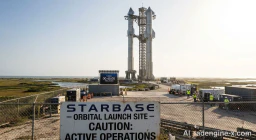
SpaceX Stock Analysis 2026: Why Wall Street Targets $280 While Bears Warn Valuation Is Beyond Silly
🇺🇸 English (영어) · 마샬팀장 · 9/10/2026
China's $19,170 Electric Vehicle: Inside Geely Galaxy TT Specs, Price War, and Global Impact
🇺🇸 English (영어) · 마샬팀장 · 9/13/2026

Entegris (ENTG) Stock Deep Dive 2026: Why Wafer Starts and Memory CapEx Matter for Family Portfolios
🇺🇸 English (영어) · 마샬팀장 · 9/9/2026

Why is Labor Day Celebrated? 2024-2025 Deep-Dive Analysis and 4-Day Strategic Guide
🇺🇸 English (영어) · 마샬팀장 · 9/7/2026
More from this author




🗞️ Source material
- SpaceX and Tesla have high election stakes as Elon Musk pours $366 million into campaigns— Ref: CNBC (headline & link)
This article was independently written and edited by AdEngine-X based on the facts reported in the sources below. No original wording or photos were used.
📚 References
This list may include both live search sources the AI referenced while writing and public-data sources checked during fact verification. Please verify the original sources before citing or reusing.
0 Comments
Loading comments...