
Singapore haze stocks how to assess regulatory risk
(Advertisers wanted)
(Advertisers wanted)
📌 Topic & Subject
This article examines how regulatory and legal pressures from Singapore authorities, including the Transboundary Haze Pollution Act and SGX inquiries, impact regional plantation stocks amid transboundary haze crises. It specifically discusses the risks facing agricultural firms such as Bumitama Agri, First Resources, Wilmar International, and Golden Agri-Resources due to illegal land clearing and opaque corporate structures.
(Advertisers wanted)
(Advertisers wanted)
📌 Table of Contents
- 1. Market selloff across major plantation shares
- 2. Official warnings and corporate oversight
- 3. The corporate shell game and smouldering peatlands
- 4. Evolution of regional anti-haze enforcement
- 5. Financial threats beyond statutory fines
- 6. Protective steps for consumers and investors
- 7. How to position for agricultural policy fallout
- 8. Immediate action items for plantation stock investors
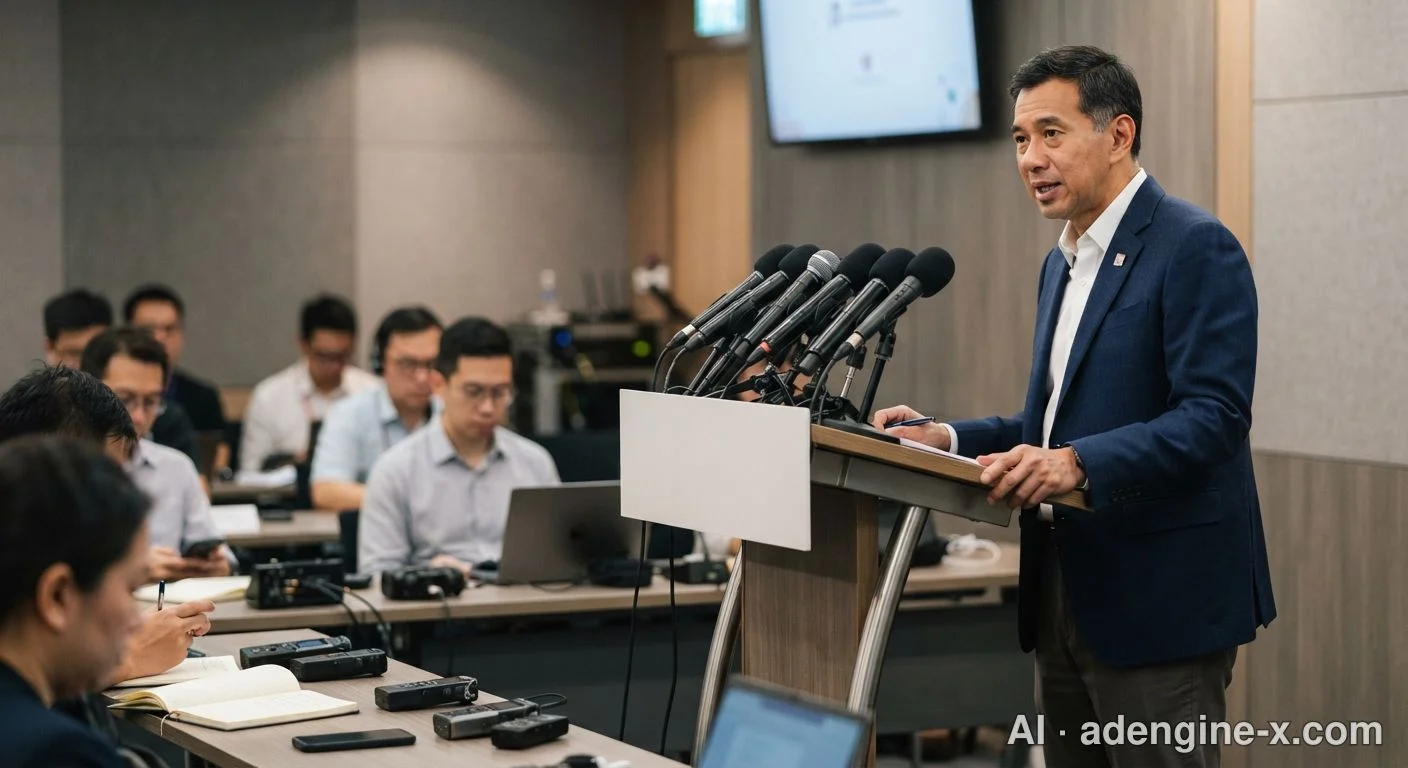
On a hazy morning in Singapore, K. Shanmugam stepped to the podium with a sharp warning for regional agribusiness. A regulatory threat against companies using corporate veils to evade blame for transboundary smoke sent Singapore-listed plantation stocks tumbling. Acrid peat smoke lingered outside the government briefing room. The minister made clear that offshore legal shelters would no longer shield plantation executives from domestic accountability.
Regional air quality crises have troubled Southeast Asia for decades during dry seasons. In June 2013, Singapore’s Pollutant Standards Index reached a record 401, bringing daily commerce to a halt. Parliament responded by passing the Transboundary Haze Pollution Act in 2014. The statute introduced extraterritorial liability for entities contributing to severe air pollution on Singapore soil.
Enforcement proved difficult during the severe burning episodes of 2015. A study from the National University of Singapore led by Euston Quah estimated Singapore’s economic losses that year at approximately 1.83 billion Singapore dollars. That amount represented roughly 0.45 percent of the nation’s annual gross domestic product. Regional damage tallied by the World Bank exceeded 221 trillion Indonesian rupiah, or about 16.1 billion U.S. dollars.
Market selloff across major plantation shares
Dry conditions linked to El Niño recently brought smoke back across Sumatra, Kalimantan, Singapore, and Johor Bahru. Air quality deteriorated rapidly, prompting school closures across southern Malaysia. Investors responded swiftly once officials linked the renewed pollution to commercial concession fires. Capital fled the regional agricultural sector within hours.
Bumitama Agri saw its shares sink by approximately 6.5 percent during trading. First Resources recorded an intraday drop of approximately 4.83 percent. Larger conglomerates also felt immediate pressure. Both Wilmar International and Golden Agri-Resources fell by approximately 2 percent.

Singapore Exchange Regulation issued formal disclosure queries to seven listed agricultural firms. The inquiry targeted Golden Agri-Resources, Bumitama Agri, First Resources, Wilmar International, Kencana Agri, Indofood Agri Resources, and TSH Resources, among others. Regulators demanded clear statements regarding fire prevention and concession oversight. Traders reduced exposure before companies could submit written replies.
Official warnings and corporate oversight
The regulatory pressure marks a coordinated shift across domestic enforcement agencies. Senior Minister K. Shanmugam, who also serves as Coordinating Minister for National Security and Minister for Home Affairs, addressed reporters directly on the issue. He signaled that corporate structures would not protect offenders from commercial consequences.
He warned that companies cannot play hide-and-seek behind different corporate structures or hope to escape responsibility in Singapore simply because actions and evidence are overseas. Singapore authorities indicated they are considering legal, regulatory, and economic measures targeting offending firms' bottom lines, credit facilities, and investor standing, adding that Singapore would not shiver in its shoes before taking decisive action to protect its people.
Minister for Sustainability and the Environment Grace Fu confirmed expanding investigations. The National Environment Agency issued preventive measure notices under the Transboundary Haze Pollution Act to seven Indonesian entities on October 16, and expanded to include three more entities on October 19. Officials added three more Kalimantan-linked entities on October 19: PT Buana Megatama Jaya, PT Mananjung Hayak, and PT Baratama Putra Perkasa.
| Key Entity | Role or Authority | Primary Action or Position |
|---|---|---|
| K. Shanmugam | Senior Minister & Coordinating Minister for National Security | Threatened credit restrictions, subsidy revocation, and piercing corporate veils. |
| Grace Fu | Minister for Sustainability and the Environment | Directed NEA notices to ten offshore operating entities tied to fire hotspots. |
| SGX RegCo | Market Regulatory Authority | Issued formal inquiries to seven listed plantation groups regarding fire culpability. |
| Greenpeace Southeast Asia | Environmental Advocacy Group | Identified recurring fire hotspots inside corporate supply chains and shadow holdings. |
| Prabowo Administration | Indonesian Executive Government | Adopted strict domestic zero-burn enforcement, aligning with cross-border task forces. |
The corporate shell game and smouldering peatlands
Peatlands consist of dense organic vegetation accumulated over thousands of years. When drained for agriculture, the dried soil becomes combustible. Subterranean peat fires burn without open flames, generating immense volumes of toxic particulate matter. Extinguishing them requires heavy seasonal rains.

Agribusinesses often manage reputational risk by establishing shell entities in offshore jurisdictions. Primary holding companies commit to zero-burning standards to secure sustainability certifications. Meanwhile, unregistered affiliates or third-party smallholders handle hazardous land clearing on uncertified plots. This dual corporate arrangement obscures true beneficial ownership.
Authorities now intend to pierce these corporate barriers. Singapore’s legal framework allows prosecutors to target entities that direct operations from within city borders. Cooperation from the administration of Indonesian President Prabowo Subianto provides crucial support. Bilateral communication reduces previous diplomatic friction over jurisdictional sovereignty.
Evolution of regional anti-haze enforcement
Enforcement mechanisms have matured significantly over the past decade. Initial efforts relied primarily on diplomatic communiqués and voluntary pledges. Current initiatives employ trade sanctions, financial audits, and satellite monitoring. Regulators now target corporate balance sheets directly.
| Operational Dimension | 2013–2015 Response | Current 2026 Strategy |
|---|---|---|
| Primary Target | Local plantation license holders on site. | Listed parent companies and controlling ultimate beneficial owners. |
| Regulatory Lever | Statutory fines capped at 2 million Singapore dollars. | SGX queries, banking credit suspensions, and tax incentive revocations. |
| Diplomatic Alignment | Sovereignty disputes over concession maps. | Coordinated enforcement against illegal burning syndicates. |
| Supply Chain Scope | Directly owned concession boundaries only. | Extended audits covering indirect sourcing and offshore subsidiaries. |
Financial threats beyond statutory fines
Under the Transboundary Haze Pollution Act, courts can assess fines up to 100,000 Singapore dollars per day. Total statutory penalties cap out at a maximum of 2 million Singapore dollars for a single occurrence. For multinational agricultural firms, that figure represents a manageable operating expense. The government’s latest announcements introduce much steeper commercial risks.
Singapore serves as a primary commodities hub supported by the Global Trader Programme. The program provides reduced corporate tax rates to international trading desks. Authorities warned that offending firms could potentially lose these concessions along with state research subsidies. Forfeiting trade incentives would cost companies tens of millions of dollars annually.

Commercial lenders are responding to guidance from the Monetary Authority of Singapore. Regional institutions including DBS, OCBC, and UOB apply strict environmental risk management standards before extending credit. Lenders may increase borrowing margins or refuse refinancing for firms linked to burning violations. Loss of working capital poses an existential hazard for capital-intensive plantations.
Protective steps for consumers and investors
You can verify corporate accountability by examining regulatory filings and procurement disclosures. Public records reveal whether agribusinesses maintain full traceability across their fresh fruit bunch suppliers. Independent audits show whether compliance matches official zero-burn pledges.
- Examine regulatory announcements: Read SGX RegCo disclosures to assess company responses to official inquiries.
- Verify supply chain certification: Confirm that agricultural holdings carry certified status under the Roundtable on Sustainable Palm Oil.
- Track air quality indicators: Monitor regional pollution via the National Environment Agency’s haze portal and the myENV mobile application.
- Employ certified respiratory protection: Wear authentic N95 masks when 24-hour pollution indexes exceed 100. Surgical masks provide inadequate filtration against fine particulate matter.
- Support vetted retail goods: Check consumer goods for the Singapore Green Label issued by the Singapore Environment Council. Major supermarket chains have historically withdrawn uncertified paper products during major burning events.
How to position for agricultural policy fallout
The plantation sector faces structural divergence as environmental enforcement tightens across Southeast Asia. High-resolution satellite monitoring and institutional credit restrictions leave little room for opaque concession holding. Producers with clean supply chains will protect their market access. Operators relying on shadow entities face mounting legal liabilities and falling share prices.

Bottom line: Check the SGX public announcement board today to see if your holdings submitted verified responses to the haze queries before taking on new exposure.
Immediate action items for plantation stock investors
Review these critical due diligence steps before allocating capital:
- Track SGX disclosures: Review formal regulatory responses from questioned plantation operators.
- Audit sourcing channels: Verify RSPO certification and full traceability across third-party suppliers.
- Model credit friction: Factor potential refinancing blocks from regional lenders into firm valuations.
ℹ️ This article was drafted with the help of an AI tool and reviewed/edited by a human before publishing. · Original: AdEngine-X

Tracking the S&P 500 Record: What Parents Should Do Now
🇺🇸 English (영어) · 마샬팀장 · 10/7/2026

Entegris (ENTG) Stock Deep Dive 2026: Why Wafer Starts and Memory CapEx Matter for Family Portfolios
🇺🇸 English (영어) · 마샬팀장 · 9/8/2026

Cato Store Closings 2026: Why 120 Locations Are Shutting Down and 6 Practical Steps for Family Budgets
🇺🇸 English (영어) · News Desk · 9/20/2026

Charlie Kirk & TPUSA Operational Breakdown 2026 Analysis of Metrics, Ground Game, and Legacy
🇺🇸 English (영어) · 마샬팀장 · 8/21/2026
More from this author



🗞️ Source material
- 'Cannot play hide and seek': Minister's warning over haze sends Singapore agricultural stocks lower— Ref: CNBC (headline & link)
This article was independently written and edited by AdEngine-X based on the facts reported in the sources below. No original wording or photos were used.
📚 References
This list may include both live search sources the AI referenced while writing and public-data sources checked during fact verification. Please verify the original sources before citing or reusing.
0 Comments
Loading comments...