Charlie Kirk & TPUSA Operational Breakdown 2026 Analysis of Metrics, Ground Game, and Legacy
(Advertisers wanted)
(Advertisers wanted)
📌 Topic & Subject
This article analyzes Charlie Kirk’s role in building Turning Point USA into a large-scale conservative organization combining campus activism, digital media, donor financing, and electoral mobilization. It examines TPUSA’s organizational entities, revenue and staffing metrics, chapter deployment model, confrontation-based content strategy, and Turning Point Action’s 2024 “Chase the Vote” ground operation, while comparing the network with other youth political groups and considering Kirk’s insti
(Advertisers wanted)
(Advertisers wanted)
📌 Table of Contents
- 1. Executive Overview and Strategic Significance: Deconstructing the TPUSA Apparatus
- 2. Core Technical Checklist and Comparative Infrastructure Metric Table
- 3. Foundation Phase: Prerequisites, Operational Architecture, and Financial Ingestion
- 4. Step 1: Execution Protocol — Campus Deployment, Rapid Confrontation, and Content Extraction
- 5. Step 2: Advanced Optimization — Ground Game Industrialization and "Chase the Vote"
- 6. Common Structural Failures, Financial Governance Risks, and Avoidance Traps
- 7. Tactical Implementation Guide: Navigating the Modern Post-Kirk TPUSA Ecosystem
- 8. Institutional Transition, 2025 Assassination, and Structural Legacy
- 9. Frequently Asked Questions (FAQ)
1. Executive Overview and Strategic Significance: Deconstructing the TPUSA Apparatus
Charles James Kirk (October 14, 1993 – September 10, 2025) represented a fundamental paradigm shift in modern American conservative mobilization, media syndication, and youth demographic targeting. Rather than operating within the traditional academic frameworks of post-war conservative think tanks, Kirk engineered an operational ecosystem that fused high-velocity digital media, aggressive campus-level confrontation, and institutional mega-donor financing. Co-founding Turning Point USA (TPUSA) in 2012 at age 18 alongside the late retired businessman Bill Montgomery, Kirk scaled a nascent grassroots initiative into a multi-entity conglomerate comprising 501(c)(3) educational arms, 501(c)(4) political action committees, faith-based networks, and long-term endowment reserves.
The operational relevance of Charlie Kirk extends beyond personal celebrity; it represents the industrialization of cultural grievance into a quantifiable ground-game and turnout infrastructure. His strategic trajectory integrated deeply with Donald Trump's 2016 and 2024 presidential campaigns, effectively bypassing the legacy apparatus of the Republican National Committee (RNC) to construct an independent, data-driven voter mobilization pipeline. From high school auditoriums to national arena-sized conventions, Kirk developed an infrastructure specifically optimized to capture algorithmic reach on platforms like YouTube, Rumble, and Apple Podcasts, while concurrently deploying hundreds of paid field staff into contested electoral battlegrounds.
Following his fatal assassination on September 10, 2025, during an outdoor campus debate at Utah Valley University in Orem, Utah, the institutional structure Kirk left behind—now led by his widow Erika Kirk—serves as a primary case study in political organizational scaling, digital audience monetization, and modern ideological polarization. Understanding the technical architecture, financial metrics, and operational protocols of the Kirk apparatus is essential for any objective analysis of 21st-century American political warfare.
Key Structural Entities
- Turning Point USA (501(c)(3)): The core educational and ideological flagship focused on high school and college campus chapters, large-scale student summits, and anti-"Critical Racism" media initiatives.
- Turning Point Action (501(c)(4)): The dedicated political and lobbying arm responsible for direct candidate advocacy, primary challenges against establishment figures, and targeted get-out-the-vote (GOTV) field mechanics.
- TPUSA Faith: A dedicated coalition targeting evangelical and conservative religious congregations to activate churchgoers into municipal, school board, and federal voting blocs.
- Turning Point Endowment: The long-term balance-sheet asset manager, securing capital reserves to ensure operational continuity independent of cyclical election funding.
2. Core Technical Checklist and Comparative Infrastructure Metric Table
The structural efficiency of Turning Point USA can be objectively evaluated by comparing its operational metrics, financial throughput, media distribution, and organizational bottlenecks against standard peer institutions across the ideological spectrum, including Young America's Foundation (YAF), the College Republican National Committee (CRNC), and progressive digital mobilization hubs like Gen-Z for Change.
| Analysis Category | Turning Point USA (TPUSA) | Young America's Foundation (YAF) | College Republicans (CRNC) | Gen-Z for Change (Progressive) |
|---|---|---|---|---|
| Primary Strategic Mission | Populist conservative mobilization, media syndication, and cultural confrontation | Traditional Reaganite policy education, campus lectures, historic site stewardship | Official Republican Party campus integration, volunteer canvassing | Digital advocacy, TikTok creator coordination, progressive policy lobbying |
| Operational Revenue Run-Rate | $115.45M (FY2025 IRS 990); Endowment Assets: $80.98M+ | ~$65M - $75M annual operating budget | Variable cyclical party transfers (< $5M typical) | Decentralized online micro-donations & grant funding (< $3M) |
| Campus Footprint & Staffing | 6,200+ campus networks; 2,178 chartered chapters; 411+ full-time staff | ~500 active campus chapters; ~100 staff members | ~1,500 collegiate clubs; near-zero full-time field payroll | 500+ creator affiliates; highly distributed volunteer network |
| Flagship Assembly Vector | AmericaFest (AmFest, 4-day convention), SAS, YWLS | National Conservative Student Conference, Reagan Ranch High School Conf | Biennial RNC-linked legislative training conventions | Decentralized digital campaigns, live-stream rallies |
| Digital Reach Metrics | 5.85M+ YouTube subs (@realcharliekirk); 1.375B+ aggregate views | ~1.2M YouTube subs (primarily lecture archives) | Fragmented, local chapter-level reach (< 100k aggregate) | TikTok aggregate impressions exceeding 500M+ |
| Primary Strategic Strengths | Instantaneous viral loop generation; hyper-funded field staff; direct line to MAGA leadership | Theoretical depth; rigorous academic credibility; institutional longevity | Institutional integration with state GOP ballot lines and official campaigns | Native Gen-Z algorithmic fluency; low overhead; agile counter-narrative speed |
| Primary Vulnerabilities & Critique | Controversial rhetoric; McCarthyism critiques (Professor Watchlist); internal governance expenditure audits | Aging donor pipeline; lower engagement among mobile-first youth demographics | Severe bureaucratic friction; persistent factional infighting | Lack of physical institutional ballot-harvesting infrastructure |
3. Foundation Phase: Prerequisites, Operational Architecture, and Financial Ingestion
The rapid scaling of Charlie Kirk's organizational apparatus from a zero-capital student initiative in Arlington Heights, Illinois, to an enterprise generating over $115 million annually was driven by specific structural prerequisites and donor integration frameworks. Analyzing this expansion reveals how non-profit governance models were optimized for continuous political confrontation and fundraising cycles.
IRS Form 990 Revenue Progression Analysis
A review of TPUSA's publicly disclosed IRS Form 990 filings between 2019 and 2025 demonstrates a compound annual revenue expansion rarely observed in standard non-profit advocacy organizations:

- 2019: $29,000,000 baseline operational revenue.
- 2020: $40,000,000 (37.9% YoY growth, driven by presidential election cycle mobilization).
- 2021: $56,000,000 (40.0% YoY growth, stabilization of independent podcast and digital video syndication).
- 2022: $81,000,000 (44.6% YoY growth, expansion of multi-day arena events and TP Action deployment).
- 2023: $82,000,000 (Consolidation of administrative base and field infrastructure).
- 2024: $84,980,000 (Massive capitalization of swing-state field operations).
- 2025: $115,450,000 operating revenue; total direct assets standing at $37.83 million, supplemented by an independent endowment portfolio exceeding $80.98 million.
Prerequisites for High-Output Chapter Deployment
Unlike ad-hoc collegiate clubs, TPUSA constructed a standardized, top-down franchising model for its 2,178 chartered chapters. To formalize a campus presence, the central Field Program enforces strict operational criteria:
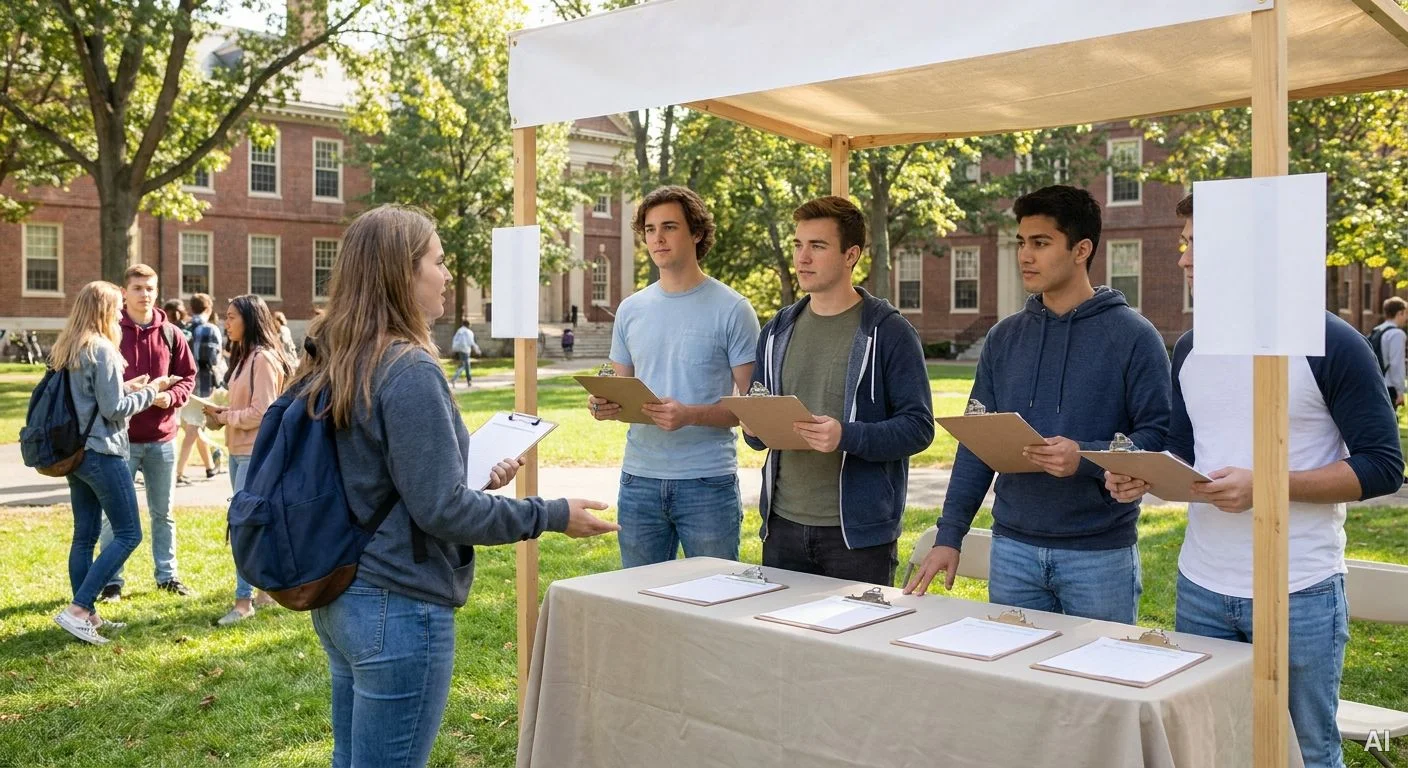
- Charter Authentication: Secure written commitments from a minimum of five enrolled student executives alongside a designated faculty or institutional advisor.
- Field Representative Alignment: Immediate assigned integration with one of TPUSA’s full-time regional field representatives (drawn from the organization's 411+ payroll staff).
- Resource Activation Kit Provision: Deployment of centrally produced, professional promotional materials, pop-up debate structures, literature arrays, and graphic banners directly to the chapter.
- Legal and Regulatory Separation: Absolute bifurcation of activities between educational 501(c)(3) issue advocacy and political 501(c)(4) ballot-targeting operations to maintain federal compliance.
4. Step 1: Execution Protocol — Campus Deployment, Rapid Confrontation, and Content Extraction
The foundational driver of Kirk's early audience accumulation was a systematic method of real-world content extraction engineered to produce short-form video engagement. Rather than holding closed lectures for converted audiences, Kirk developed the outdoor campus confrontation format.
Physical Deployment Mechanics
During tours such as the "Exposing Critical Racism Tour" and the "You're Being Brainwashed Tour," field teams deployed standardized modular staging environments directly within university open plazas. The staging featured branded, high-contrast signage ("Prove Me Wrong," "The American Comeback") designed to provoke intellectual and emotional friction from passing undergraduates and faculty.
As Kirk himself outlined during his 2024 tour addresses, the core thesis behind this active posture was that traditional passivity on campus had ceded cultural institutions:
"We are not simply running a political campaign; we are fighting a multi-generational culture war against cultural Marxism seeking to dismantle Western civilization and the core values of the American founding."
Digital Slicing and Algorithmic Distribution
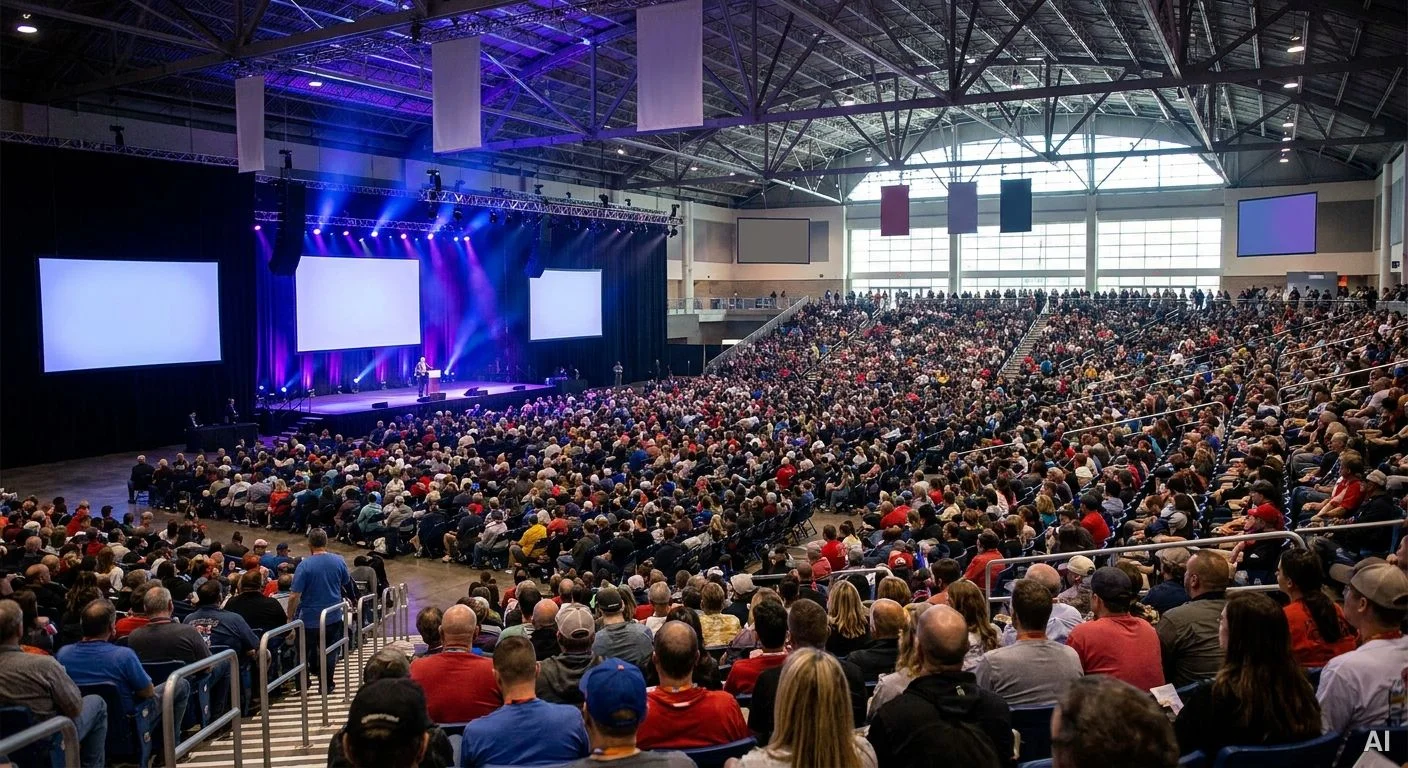
The live confrontation functioned as a content studio. High-definition multi-camera setups captured spontaneous interactions between Kirk and opposing students. On-site video editors processed these continuous live streams into 30-to-60-second vertical video clips (YouTube Shorts, TikTok, Instagram Reels) optimized for algorithmic distribution. The operational output metrics of this strategy were substantial:
- Channel Penetration: Growth of @realcharliekirk to over 5.85 million subscribers, driving 1.375 billion total lifetime video views.
- TPUSA Core Channel: Accumulation of over 3.90 million dedicated platform subscribers.
- Audience Asymmetry: While visual campus clashes targeted youth engagement, Edison Podcast Metrics (Q3 data) confirmed that over 50% of regular daily listeners to The Charlie Kirk Show (which averaged 1.838 million weekly unique listeners and held the #17 national weekly ranking) were aged 55 and older. The campus content served as validation for older conservative donors that an effective youth counter-offensive was taking place.
5. Step 2: Advanced Optimization — Ground Game Industrialization and "Chase the Vote"
By 2023, Kirk shifted substantial internal organizational resources toward direct electoral field mechanics. Recognizing that digital impressions do not automatically convert into localized ballots, Turning Point Action launched the "Chase the Vote" project with an operating budget of $108 million for the 2024 presidential election cycle.
Swing-State Ballot Harvesting Mechanics
The "Chase the Vote" program moved away from short-term weekend volunteer canvassing, instead building a permanent, paid, full-time field infrastructure across critical swing regions: Arizona, Wisconsin, Michigan, Georgia, and Pennsylvania. As Turning Point Action spokesman Andrew Kolvet detailed in an interview with The Guardian:
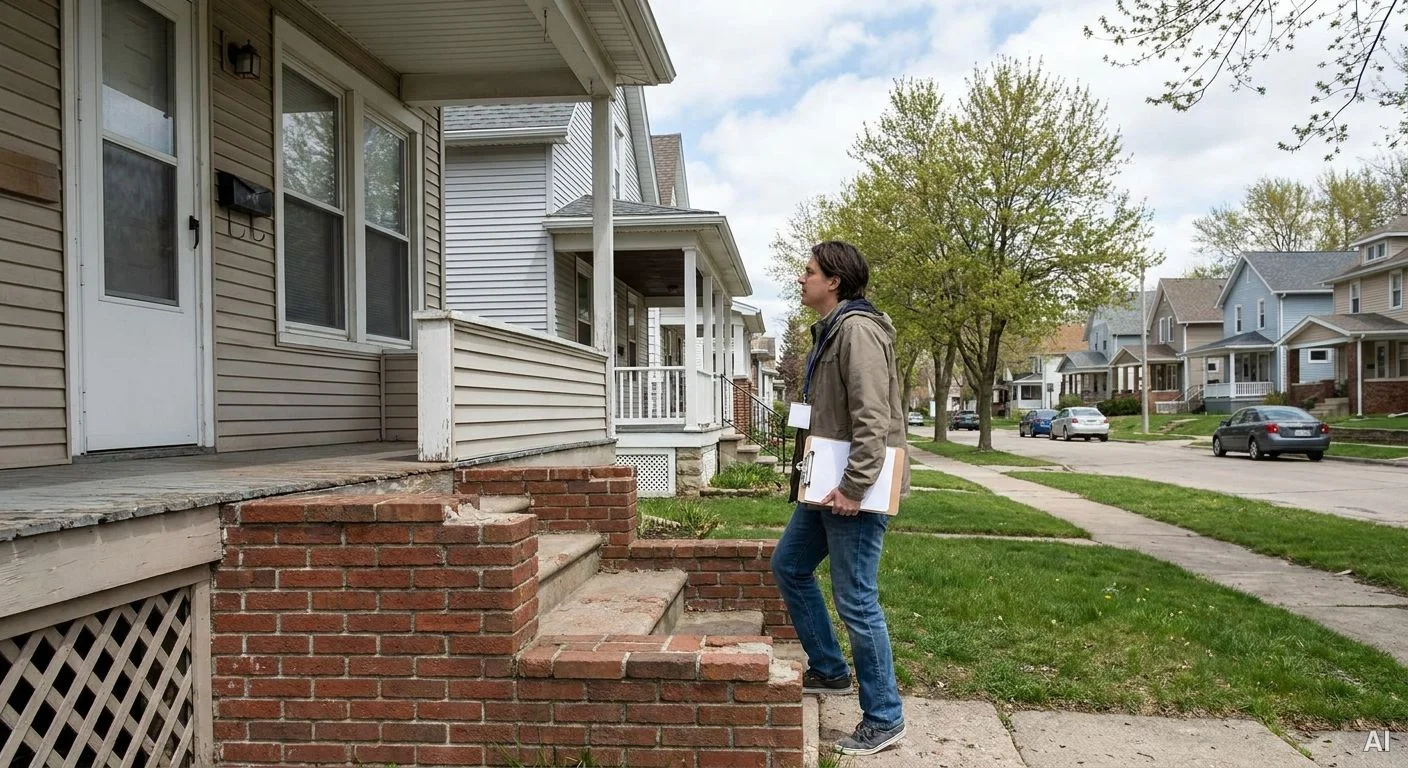
"We are hiring hundreds of ballot chasers across key swing states who live in the communities they organize, establishing the most robust full-time ground force in history."
Field workers tracked low-propensity conservative voters using proprietary data dashboards, maintaining continuous contact via phone, text, and in-person door knocks until ballots were physically deposited and verified in state registration databases.
Party Institutional Takeover and Strategic Consolidation
Kirk leveraged this field capacity to alter the internal power dynamics of the Republican Party. Following notable midterm disappointments in 2022—where high-profile MAGA candidates heavily endorsed by TPUSA faced general election defeats—Kirk mobilized his grassroots base against traditional party leaders, leading to the resignation of RNC Chair Ronna McDaniel. By the 2024 cycle, Donald Trump publicly recognized Kirk’s alternative field apparatus during a December conservative address:
"The Democrats and the mainstream media mocked Turning Point, saying they could never build a real grassroots ground game, but they didn't know Charlie Kirk."
6. Common Structural Failures, Financial Governance Risks, and Avoidance Traps
Despite its rapid scaling, the operational framework pioneered by Charlie Kirk faced substantial structural liabilities, investigative scrutiny, and internal risks that organizations replicating this model must address.
1. Financial Governance and Third-Party Vendor Concentration
A primary critique documented in investigative reports by ProPublica and the Associated Press focused on non-profit resource allocation. Rapid growth resulted in heavy governance scrutiny, including:
- Executive compensation models (such as Kirk’s recorded $390,000 annual salary alongside private jet charters).
- High-value commercial vendor contracts directed to internal leadership associates, totaling over $15.2 million in related-party transactions.
- Operational Safeguard: Independent non-profit boards must enforce transparent competitive bidding for marketing and event logistics to prevent self-dealing investigations.
2. Academic Backlash and Reputational Isolation

Initiatives such as the "Professor Watchlist" and "School Board Watchlist" aimed to expose alleged ideological bias in educational institutions. However, they drew widespread condemnation from civil liberties organizations, the Southern Poverty Law Center (SPLC), and the Anti-Defamation League (ADL), who characterized them as institutional harassment and ideological blacklisting. This structural antagonism often led to campus chapter bans and restricted institutional access for TPUSA student affiliates.
3. Legal Exposure and Political Spillover (January 6th Inquiries)
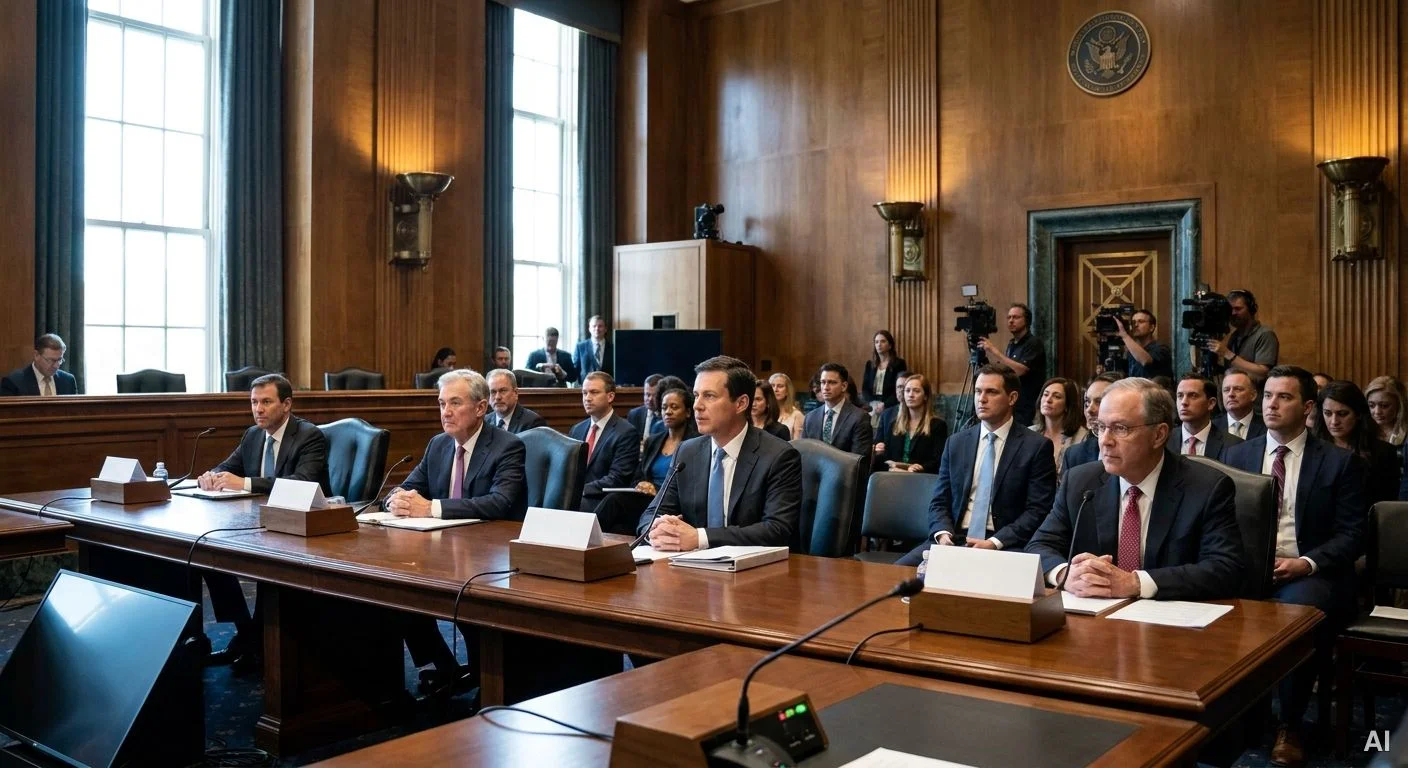
In 2021, Kirk publicly claimed TPUSA had organized massive transit for demonstrators traveling to Washington, D.C. on January 6. When subpoenaed by the U.S. House Select Committee investigating the Capitol attack, Kirk invoked his Fifth Amendment privilege against self-incrimination more than 70 times, while TPUSA revised down its official transport metrics to 7 buses and 350 attendees. Organizations operating at the intersection of 501(c)(3) education and high-stakes direct action face significant regulatory and legal liability if their public messaging exceeds their compliance guardrails.
7. Tactical Implementation Guide: Navigating the Modern Post-Kirk TPUSA Ecosystem
For community organizers, institutional analysts, and event participants, engaging with the structured programs of the contemporary post-Kirk Turning Point network requires understanding specific operational pathways.
1. National Convention Registration Protocols (AmFest, SAS, YWLS)
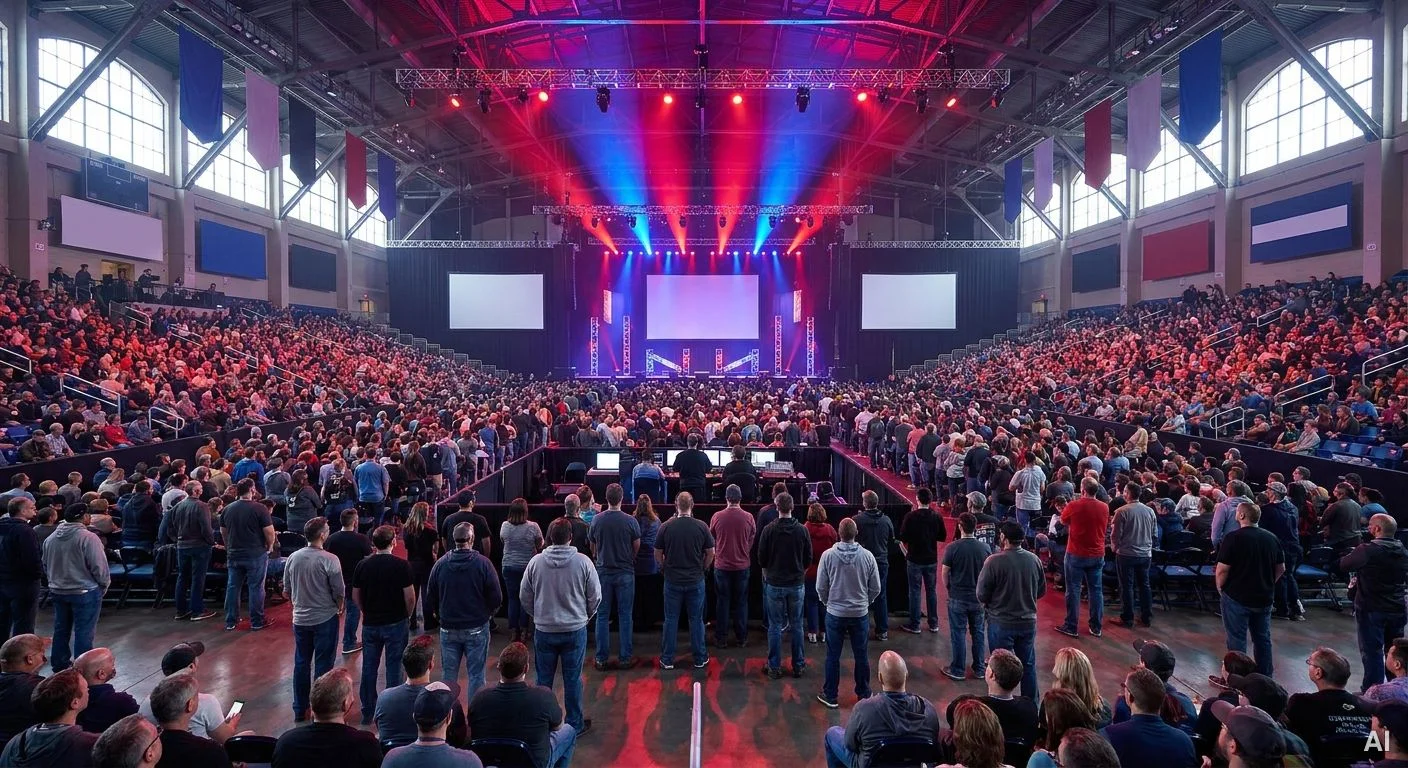
AmericaFest (AmFest), held annually over four days in December at the Phoenix Convention Center, represents TPUSA's largest gathering, drawing tens of thousands of attendees and national political speakers:
- Student Subsidies: Standard student tickets range between $50 and $100, heavily subsidized through national donor funds; general admission for non-students and VIP packages scale from hundreds to thousands of dollars.
- Security Clearance: Due to continuous security concerns, attendees must clear mandatory pre-event screening and credentialing checks.
2. Media Consumption Pipeline Integration
Audiences access TPUSA's continuous media syndication through specialized infrastructure channels:
- Live Streaming: Primary real-time event coverage and daily programming run via Rumble, SalemNOW, and official YouTube hubs.
- Terrestrial Syndication:The Charlie Kirk Show maintains daily radio syndication via the Salem Media Network between 12:00 PM and 3:00 PM Eastern Time.
8. Institutional Transition, 2025 Assassination, and Structural Legacy
The assassination of Charlie Kirk on September 10, 2025, at Utah Valley University in Orem, Utah—where he was fatally struck in the neck by a sniper rifle while speaking under an outdoor debate tent—marked a major turning point in modern American political history. Accused gunman Tyler James Robinson, 22, surrendered to authorities the following day and was indicted on charges including aggravated murder, with Utah prosecutors seeking the death penalty citing political targeting.
Following the tragedy, executive leadership transitioned directly to Erika Kirk, who assumed the role of CEO to oversee TPUSA's multi-million-dollar operational apparatus. Kirk's legacy remains a case study in modern American politics:
- Influence-Led Political Infrastructure: Proving that a personality-driven media platform can mobilize ground operations that rival institutional party committees.
- Data-First Field Integration: Incorporating "Chase the Vote" ballot tracking as a standard operational blueprint within the broader conservative apparatus.
- Heightened Political Polarization: Highlighting both the potency of algorithmic media mobilization and the severe risks of political violence in an increasingly polarized civic landscape.
9. Frequently Asked Questions (FAQ)
1. How was Turning Point USA originally founded and financed?
TPUSA was co-founded in June 2012 by 18-year-old Charlie Kirk and 72-year-old retired businessman Bill Montgomery. After meeting Kirk at a local Tea Party event, Montgomery recognized his rhetorical talent and provided initial seed funding, encouraging him to forego traditional four-year college education to establish a full-time, nationwide conservative student organization.
2. What is the legal distinction between TPUSA and Turning Point Action?
Turning Point USA is an educational non-profit organized under Section 501(c)(3) of the Internal Revenue Code, meaning contributions are tax-deductible, but direct electoral endorsement of political candidates is prohibited. Turning Point Action is a 501(c)(4) social welfare organization that can engage directly in political campaigning, candidate endorsements, and targeted get-out-the-vote (GOTV) field mechanics, though contributions to it are not tax-deductible.
3. What was the exact budget and footprint of the "Chase the Vote" initiative?
The "Chase the Vote" campaign, initiated by Turning Point Action for the 2024 election cycle, operated with a targeted budget of approximately $108 million. The initiative deployed hundreds of full-time, paid precinct-level ballot chasers focused on low-propensity conservative voters across critical swing states, including Arizona, Wisconsin, Georgia, Michigan, and Pennsylvania.
4. Who currently directs the Turning Point enterprise following Kirk's death?
Following Charlie Kirk's assassination in September 2025, his widow, Erika Kirk, assumed executive control as CEO of Turning Point USA. She oversees the executive team, ongoing campus tours (such as the 2026 Make Heaven Crowded Tour), and the organization's media and field networks.
5. What primary demographic actually consumes Kirk's media broadcasts?
Although TPUSA's branding is directed at high school and university students, verified media analytics—including Edison Podcast Metrics—indicate that over 50% of the regular audience for The Charlie Kirk Show consists of adults aged 55 and older. This dynamic enabled TPUSA to use campus-level confrontation as engaging media content that powered its large-scale national donor fundraising base.
ℹ️ This article was drafted with the help of an AI tool and reviewed/edited by a human before publishing. · Original: AdEngine-X
📚 References
This list may include both live search sources the AI referenced while writing and public-data sources checked during fact verification. Please verify the original sources before citing or reusing.
0 Comments
Loading comments...