China's $19,170 Electric Vehicle: Inside Geely Galaxy TT Specs, Price War, and Global Impact
(Advertisers wanted)
(Advertisers wanted)
📌 Topic & Subject
This article explores the launch and global impact of the Geely Galaxy TT, an executive-class 800-volt electric sedan priced at $19,170 in China. It examines the technical specifications of the vehicle, the ongoing domestic price war known as Neijuan, and the strategic challenges this poses for Western legacy automakers.
(Advertisers wanted)
(Advertisers wanted)
📌 Table of Contents
- 1. Executive Summary: The $19,170 Price Shock and Global Industry Disruption
- 2. Key Stakeholder Statements and Structural Friction Points
- 3. Historical Precedents, Supply Chain Hegemony, and the 'Neijuan' Phenomenon
- 4. Technical Specifications: Real-World Testing, Powertrain, and Chassis Engineering
- 5. Comparative Engineering and Market Benchmark Analysis
- 6. Public and Market Reactions: The Western Protectionist Dilemma
- 7. Engineering Innovations, Platform Architecture, and Cost Containment
- 8. Geopolitical Fallouts, Investment Realities, and Strategic Outlook
When international financial markets digested the news that a major automotive powerhouse launched an executive-class, 800-volt electric sedan priced at just $19,170, the global implications rippled across Detroit, Wolfsburg, and Tokyo. The vehicle in question—the Geely Galaxy TT, officially introduced in Hangzhou, China—is not an austere compliance runabout or an urban micro-car with compromises. Instead, it measures nearly five meters in overall length, packs advanced silicon carbide power electronics, supports ultra-fast 6C direct-current charging, and undercuts the average transaction price of an American passenger car by more than 60 percent. This comprehensive intelligence brief deconstructs the hardware engineering, the economic conditions fueling China's domestic price war, and the profound strategic challenges facing Western legacy automakers and automotive investors.
1. Executive Summary: The $19,170 Price Shock and Global Industry Disruption
On September 10, 2026, Geely Automobile Holdings officially rolled out its Galaxy TT electric fastback sedan with a promotional launch base price of 129,900 yuan, equivalent to roughly $19,170 at prevailing foreign exchange rates. The announcement immediately captured global headlines through reporting by Yahoo Finance and TheStreet, signaling a seismic shift in automotive manufacturing economics. Rather than stripping out content to reach a cut-rate price ceiling, Geely integrated premium hardware: an 800-volt high-voltage electrical platform, lithium iron phosphate (LFP) chemistry engineered by contemporary market leader Contemporary Amperex Technology Co. Limited (CATL), and an integrated 16-in-1 electric propulsion unit capable of recharging from 10 percent to 80 percent state of charge in under 12 minutes.
The Macroeconomic Contrast Between Chinese and Western Showrooms
The price point of $19,170 must be evaluated against the realities of Western retail markets. In the United States, data published by Kelley Blue Book in August 2026 revealed that the industry-wide average transaction price (ATP) for a new vehicle breached the historic threshold of $50,000, settling at $50,089. Even the most budget-conscious entry-level pure battery-electric model sold domestically—the legacy Nissan Leaf S+—carries a sticker price starting at $29,990 before mandatory destination charges and dealer adjustments.
This widening affordability gap arrives precisely as regulatory tailwinds vanish in key consumer markets. Following the sunset of the Inflation Reduction Act's (IRA) consumer clean vehicle credit (which previously offered up to $7,500 per qualified purchase) on September 30, 2025, American consumers face escalating monthly financing burdens without offsetting federal subsidies. Consequently, the contrast between a sub-$20,000 executive-tier fastback in China and an aging, subcompact hatchback commanding over $30,000 in North America highlights an unprecedented divergence in manufacturing unit economics.
The Core Dynamic: How Radical Price Compression Reshapes Trade Paradigms
Western policymakers have attempted to insulate domestic supply chains by maintaining 100 percent import tariffs on Chinese-assembled electric vehicles alongside stringent connected-vehicle software restrictions. However, this protective barrier only insulates the United States domestic perimeter. In contested neutral zones—including Southeast Asia, the Middle East, Latin America, and select European Union corridors—the presence of vehicles built to modern technical standards at entry prices beneath $20,000 represents a direct challenge to the export volumes and operating margins of Western legacy original equipment manufacturers (OEMs).
2. Key Stakeholder Statements and Structural Friction Points
The arrival of a full-scale electric fastback at 129,900 yuan has crystallized the ongoing debate among global manufacturing executives, industry analysts, and policy researchers. Understanding the market impact requires cross-referencing on-the-record assessments from key corporate decision-makers and independent supply chain monitors.
| Stakeholder / Institution | Core Position / Quote Record | Strategic Focus & Market Implication |
|---|---|---|
| Erin Keating Executive Analyst, Cox Automotive | Pointed to Kelley Blue Book empirical indices showing that average American households are under "significant financial pressure", noting that high transaction values and elevated borrowing costs are freezing middle-class buyers out of the primary automotive market. | Consumer affordability crisis; domestic inventory buildup of high-margin trucks and premium SUVs at the expense of mass-market electrification adoption. |
| Jim Farley Chief Executive Officer, Ford Motor Company | Characterized Chinese vertical integration and manufacturing scale as an "existential threat" confronting Western automakers, openly disclosing internal development of a dedicated low-cost EV platform via a clandestine "Skunkworks" engineering team. | Structural cost re-engineering; benchmark realignment away from regional domestic competitors directly toward tier-one Chinese production systems. |
| Mary Barra Chair & CEO, General Motors | Affirmed to Fortune that complete fleet electrification remains the industry's ultimate "end game", while conceding that commercial transition velocity must accommodate regulatory volatility, charging buildout, and real-world capital economics. | Capital expenditure recalibration; navigating the friction between immediate high-margin internal combustion cash flow and long-term EV volume parity. |
| Ben Nelmes CEO, New AutoMotive | Stated in network broadcast analysis that China remains "miles ahead" in powertrain efficiency and cost management, attributing its enduring 25+ percent cost advantage to an unbreakable domestic monopoly over raw battery supply chains. | Upstream supply chain hegemony; validation that software-defined scaling cannot bridge hardware and mineral refining disparities in the medium term. |
| Li Shufu (Eric Li) Founder & Chairman, Geely Holding | Consistently stated across group addresses that survival in the intelligent electric era requires cascading tier-one premium architecture (PMA/SEA platforms) directly into mass-market nameplates to establish undisputed global platform standardization. | Horizontal platform scale; cannibalization of mid-tier domestic rivals through rapid platform democratization and export-ready chassis validation. |
The Divergence in Strategic Playbooks
The positions outlined above reveal a fundamental fracture in global industrial strategy. While North American OEMs manage quarterly earnings volatility by prioritizing high-margin, heavy-duty internal combustion engine (ICE) trucks and premium SUVs, Chinese conglomerates like Geely are treating manufacturing margins as an operational lever to expand market share. By deploying premium hardware down into the $19,000 tier, Chinese automakers accept compressed initial gross margins in exchange for rapid platform dominance, software ecosystem capture, and raw supply chain scale.
3. Historical Precedents, Supply Chain Hegemony, and the 'Neijuan' Phenomenon
Understanding how a vehicle boasting the Galaxy TT's dimensions and architecture can retail for $19,170 without bankrupting its manufacturer requires examining the hyper-competitive ecosystem known within mainland China as Neijuan (내권 / 內卷), roughly translated as relentless internal involution.
The 2024–2026 Price War and the Xiaomi Catalyzer
Between early 2024 and mid-2026, the domestic Chinese automotive theater transitioned into a war of attrition. What began as a series of selective price trims by BYD evolved into an industry-wide margin squeeze. When consumer electronics giant Xiaomi crossed over into automotive manufacturing with its SU7 sports sedan, it captured immediate market momentum, creating waitlists spanning six to eight months. The SU7 demonstrated that urban Chinese car buyers—predominantly digital natives—demanded high-tier athletic aesthetics, smart-cabin integration, and sports-car performance figures at price bands previously reserved for ordinary fleet sedans.
Geely, which commands legacy assembly assets alongside its luxury sub-brands (Zeekr, Volvo, Polestar, Lotus), recognized that defending its market share required an aggressive preemptive strike. During the initial pre-sale phase in August 2026, Geely signaled an indicative starting tag of 145,900 yuan for the Galaxy TT. However, when official order books opened on September 10, executives shaved an additional 16,000 yuan (approximately 11 percent) from the invoice, establishing the baseline at 129,900 yuan ($19,170). Crucially, Geely paired this pricing strategy with an upward specification adjustment: entry models saw their certified China Light-Duty Vehicle Test Cycle (CLTC) range upgraded from 540 kilometers to 640 kilometers at zero additional cost.
Upstream Mineral and Refining Dominance
The second pillar enabling this unit economics profile is regional mineral concentration. CATL's gigafactories operate within hours of Geely's assembly hubs. China exercises operational control over approximately 70 percent of global lithium refining capacity, 85 percent of synthetic graphite anode processing, and virtually 100 percent of the spherical graphite and refined rare earth elements utilized in permanent-magnet synchronous traction motors. By sidestepping international freight tariffs, currency hedging overheads, and multi-tier intermediary supplier markups, Chinese platform developers procure traction packs at cell-level prices estimated well below $50 per kilowatt-hour, a figure Western battery consortiums remain years away from matching at scale.

4. Technical Specifications: Real-World Testing, Powertrain, and Chassis Engineering
A rigorous review of the Geely Galaxy TT's bill of materials reveals that its $19,170 price tag is not the product of obsolete parts-bin assembly. The platform architecture incorporates modern power electronics and chassis componentry.
Structural Dimensions and Aerodynamic Optimization
The Galaxy TT measures 4,999 mm in total length, 1,919 mm in overall width, and 1,479 mm in height, riding on a 2,920 mm wheelbase. This puts its exterior footprint within millimeters of an executive E-segment vehicle, directly matching executive midsize luxury sedans while undercutting their sticker pricing by two-thirds. The vehicle records a drag coefficient of Cd 0.22, assisted by an electronically deployable active rear spoiler capable of articulating to a 22.5-degree angle to generate up to 508 Newtons of downforce at highway cruising velocities.
The 16-in-1 Intelligent Electric Drive and Powertrain Metrics
At the mechanical heart of the Galaxy TT is an engineering achievement: Geely's proprietary, highly integrated 16-in-1 electric drive module. By packaging the motor stator, rotor, high-voltage silicon carbide (SiC) inverter, single-speed reduction transmission, on-board charger (OBC), DC-DC converter, and battery management system into a single cast unit, Geely eliminated extensive internal high-voltage copper cabling, trimming curb weight and raising overall powertrain operational efficiency to a tested 93.8 percent.
- Rear-Wheel Drive (RWD) Standard Specification: Powered by a rear-mounted permanent magnet synchronous motor delivering 245 kW (approximately 329 to 333 horsepower) and 320 N·m of peak torque. Acceleration benchmarks record a 0 to 100 km/h sprint completed in 6.5 to 7.2 seconds, depending on the fitted tire and wheel configuration.
- TT Ultra All-Wheel Drive (AWD) Flagship: Integrates dual electric motors outputting a combined 425 kW (570 to 578 horsepower) and 597 N·m of system torque. In performance mode, the Galaxy TT Ultra reaches 100 km/h from a standstill in 3.8 seconds, achieving an electronically governed top speed of 210 km/h.
- Thermal and Energy Consumption Realities: Factory ratings cite an energy consumption metric under 10 kWh per 100 kilometers under optimal CLTC cycling. During high-altitude validation testing around Qinghai Lake, instrumented engineering prototypes yielded an observed real-world consumption rate of 8.2 kWh per 100 kilometers.
High-Voltage 800V Architecture and Charging Dynamics
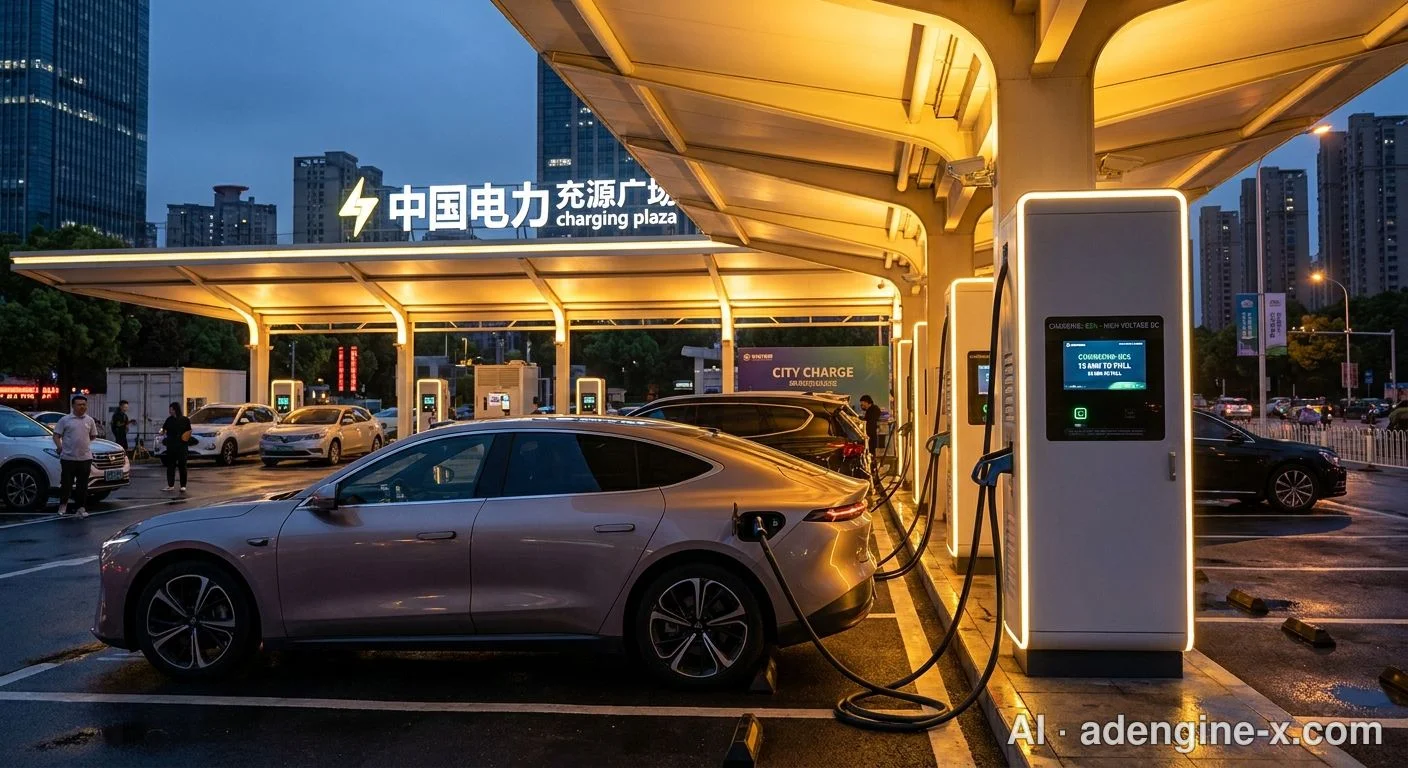
While Western sub-$35,000 EVs continue to deploy legacy 400-volt architectures with peak charging rates rarely exceeding 150 kW, every trim of the Galaxy TT—including the entry $19,170 model—comes standard with an 800-volt high-voltage electrical platform. Coupled with CATL's 6C-rate lithium iron phosphate chemistry, the TT draws DC current capable of taking its 63.8 kWh baseline pack from a 10 percent state of charge to 80 percent in 11.8 minutes under optimal thermal conditions. In operational terms, the vehicle recoups up to 400 kilometers of certified driving range in an 11-minute charging stop.
5. Comparative Engineering and Market Benchmark Analysis
To contextualize the market displacement caused by the Geely Galaxy TT, the following matrix pairs the model against its chief domestic rival and prominent global counterparts across North America and international territories.
| Specification / Metric | Geely Galaxy TT (Entry Trim) | Nissan Leaf S+ (US Entry Benchmark) | Tesla Model 3 RWD (Global Reference) | Xiaomi SU7 (Direct Domestic Rival) |
|---|---|---|---|---|
| Base Retail Price (USD Equiv.) | $19,170 (129,900 RMB) | $29,990 (MSRP excl. freight) | ~$33,000 (China) / ~$39,000 (US) | $31,500 (215,900 RMB) |
| Vehicle Class & Length | E-Segment Fastback (4,999 mm) | C-Segment Hatchback (4,480 mm) | D-Segment Sedan (4,720 mm) | E-Segment Fastback (4,997 mm) |
| Electrical Architecture | Native 800V Across All Trims | Legacy 400V Architecture | Standard 400V System | 400V (Base) / 800V (Pro/Max Only) |
| Fast Charge Window (10%-80%) | 11.8 minutes (6C Peak Rate) | 40 to 60 minutes (50 kW limit) | ~25 to 30 minutes (250 kW peak) | ~25 minutes (Base 400V pack) |
| Certified Driving Range | 640 km to 725 km (CLTC) | 212 miles / ~341 km (EPA) | 606 km (CLTC) / 272 mi (EPA) | 700 km (CLTC Base) |
| Powertrain Output & Sprint | 245 kW (330 hp) / 0-100: 6.5s | 160 kW (214 hp) / 0-100: ~7.0s | 208 kW (280 hp) / 0-100: 6.1s | 220 kW (295 hp) / 0-100: 5.3s |
| Suspension Architecture | Double-Wishbone (Alum) / 5-Link | MacPherson Strut / Torsion Beam | Double-Wishbone / Multi-Link | Double-Wishbone / Multi-Link |
The Subversion of Historical Price-to-Performance Tiers
The comparative matrix highlights an unusual market dynamic. Historically, budget-priced passenger cars utilized cost-saving suspension setups—such as stamped steel front MacPherson struts matched to rear semi-independent torsion beams. In sharp contrast, Geely engineered the Galaxy TT with forged front aluminum double-wishbone linkages and a fully independent five-link rear geometry with frequency selective damping (FSD). By offering full 800V fast charging at a base price roughly $12,000 beneath the base Xiaomi SU7, Geely effectively moved high-end EV specifications into the entry-level pricing band.
6. Public and Market Reactions: The Western Protectionist Dilemma
The pricing announcement of the Galaxy TT prompted widespread discussion across social and industry channels, highlighting regional differences in how consumer markets perceive value.
Discourse Across Western Automotive Communities
On enthusiast and investor forums such as Reddit's r/electricvehicles and X, technical breakdowns of the Galaxy TT's $19,170 MSRP highlighted a growing sense of buyer frustration. Commenters frequently noted that the Chinese price point for an executive-sized 800V sedan represents less than half the entry price of a basic Tesla Model 3 in the North American market. For everyday drivers navigating interest rates above 7 percent, the idea that a family-sized EV could retail beneath $20,000 underscores the reality that Western trade barriers—while protecting legacy domestic factory jobs—effectively insulate domestic consumers from accessible, low-cost electrification options.
Chinese Domestic Showroom Sentiment: "Overturning the Banquet Table"
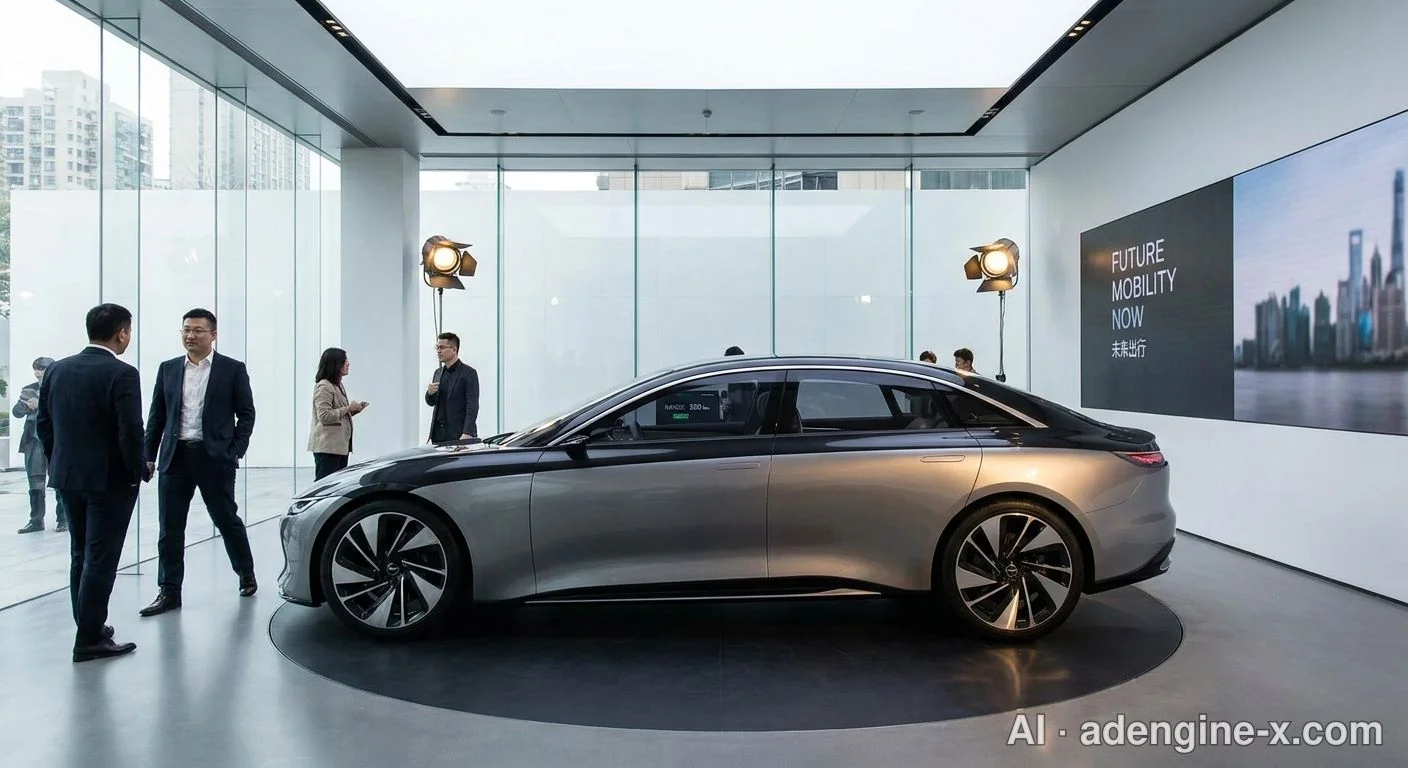
Across Chinese social networks including Weibo and Xiaohongshu, automotive commentators frequently characterized Geely's aggressive pricing as Xiān Zhuōzi (掀桌子)—literally meaning "flipping the banquet table." With Xiaomi holding significant backorders for its SU7, Geely's decision to undercut Xiaomi's entry-tier sticker price by nearly 40 percent offered prospective buyers a compelling alternative: immediate delivery of a similarly proportioned electric sedan for a fraction of the cost. The move confirmed that brand loyalty in China's domestic EV sphere remains fluid, with consumers readily pivoting between marques based on price and technical features.
7. Engineering Innovations, Platform Architecture, and Cost Containment
How does Geely manufacture an all-electric sedan featuring aluminum suspension assemblies, CATL cells, and advanced silicon carbide inverters for $19,170 without incurring unsustainable operational losses? The answer lies in platform resource sharing and shared software investments.
The PMA2+ Architecture: Industrializing Premium Underpinnings
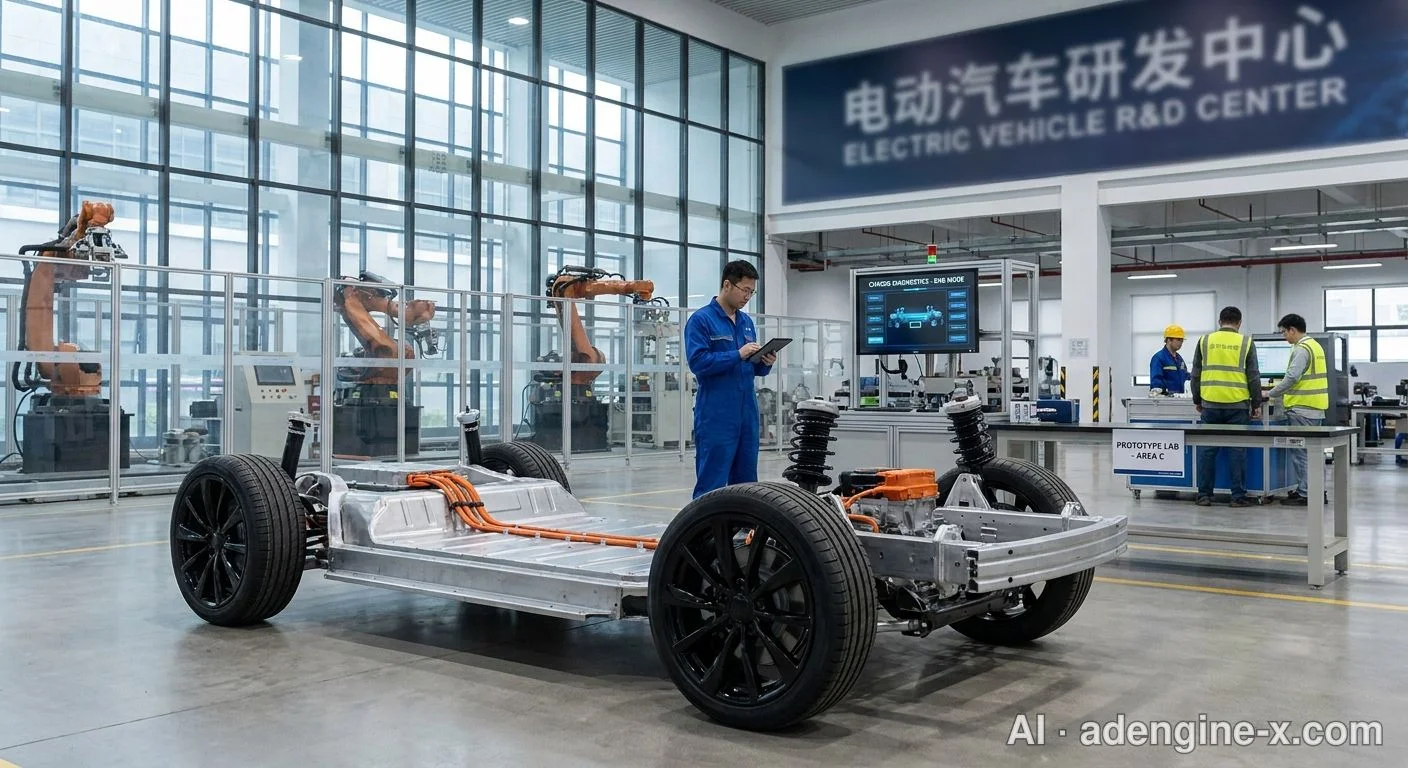
The Galaxy TT is not a clean-sheet design that required dedicated capitalization. Instead, it rides upon the PMA2+ platform, an evolution of Geely's Sustainable Experience Architecture (SEA). This foundational platform underpins vehicles including the Zeekr 007 and the Smart #5, vehicles that originally debuted at price brackets between 200,000 and 300,000 yuan. By amortizing the initial engineering, tooling, and crash-testing research and development costs across luxury volumes, Geely was able to deploy the underlying structural platform into the Galaxy brand's volume manufacturing stream with minimal additional tooling outlays.
The Flyme Auto 2.0 Digital Cockpit Ecosystem
In-cabin software engineering represents another structural efficiency. Following Geely founder Li Shufu's strategic acquisition of consumer electronics manufacturer Meizu, the automaker folded smartphone software development directly into its automotive supply chain. The Galaxy TT features Flyme Auto 2.0, an operating system that bridges personal mobile hardware and the vehicle's 15.4-inch Ultra-HD central infotainment console, 10.2-inch driver cluster, and optional 25.6-inch augmented reality head-up display (AR-HUD).

By leveraging Meizu's existing codebases, application marketplaces, and user interface libraries, Geely avoided spending hundreds of millions of dollars contracting third-party automotive software agencies. The vehicle behaves like a connected consumer smartphone on wheels, running on optimized local silicon without the expensive architectural patches common in legacy auto conversions.
Packaging Efficiency and Chassis Balancing
Because the 16-in-1 electric drive unit occupies minimal volume between the front and rear chassis rails, Geely's packaging engineers reclaimed interior cabin space while maintaining an athletic roofline. Despite a rear fastback design, cargo storage reaches 475 liters in the rear luggage compartment, supplemented by an expansive 110-liter front trunk (frunk) capable of storing dual carry-on baggage and high-voltage charging cables. These spatial figures exceed the packaging ratios of several clean-sheet luxury electric vehicles developed in the West.
8. Geopolitical Fallouts, Investment Realities, and Strategic Outlook
The launch of a $19,170 electric vehicle with near-luxury technical specifications marks the end of an era for global automotive business models. Moving forward, the industry must navigate three emerging structural dynamics.
The Detroit Margin Dilemma: Trapped in the High-Margin Bubble
For Detroit's legacy manufacturers, the Galaxy TT's price point underscores an uncomfortable paradox. The North American market is increasingly sustained by the high profit margins generated by gasoline-powered pickup trucks and large SUVs. However, this business model operates inside a regulatory bubble sustained by tariff walls. In neutral global markets—spanning South America, Africa, Central Asia, and ASEAN territories—American legacy OEMs cannot command a 100 percent import premium for their older ICE nameplates when Chinese conglomerates can export modern electric sedans and crossovers profitably at under $25,000.
Circumvention Production Networks and Geely's Global Footprint
Geely is notably distinct from many of its domestic peers due to its extensive international integration. Through majority ownership of Volvo Cars and Polestar, operational control of Lotus, and its joint-venture manufacturing partnerships with Renault in South Korea and Proton in Malaysia, Geely maintains manufacturing footholds worldwide. If tariff barriers block direct exports from Hangzhou or Ningbo, Geely possesses the operational flexibility to assemble vehicles locally within Southeast Asian or Eastern European facilities, bypassing direct trade barriers and challenging Western automakers on their home turf.
Investor Realities: Balancing Unit Growth and Operating Margins
From an equity valuation perspective, Geely Automobile Holdings (HKEX: 0175 / OTC: GELYY) presents a study in contrasting pressures. In August 2026, Geely reported monthly group-wide deliveries surpassing 270,000 units, powered by an overseas export jump of 205 percent year-over-year to 110,000 units in that single reporting month. However, investors face notable risks:
- Gross Margin Volatility: Slashing price tags to 129,900 yuan tightens per-vehicle operating margins, leaving little room for error if raw lithium chemical spot prices experience unexpected price spikes.
- Regulatory Risks: The United States Department of Commerce and European Union regulators are developing broad regulatory frameworks focused on connected vehicle telematics, camera sensors, and autonomous software sourcing. These security-focused policy tools could restrict Chinese electric vehicle market access regardless of assembly origin.
- Execution Feasibility Note: For individual investors and cross-border commercial operators, specific retail availability, warranty coverage frameworks, and regional regulatory import clearances are subject to local jurisdictional compliance guidelines. Commercial decisions must defer to formal homologation registries and authorized institutional filings.
Ultimately, the Geely Galaxy TT is more than a commercial product; it is an industrial signal. By proving that an executive-tier, 800V fast-charging passenger car can be built, distributed, and sold profitably for under $20,000, China's automotive supply chain has disrupted the global cost baseline. The challenge now shifts to Western legacy automakers, who must determine whether trade barriers alone can protect their market position, or if they can re-engineer their own production models to compete at this new price-performance frontier.
ℹ️ This article was drafted with the help of an AI tool and reviewed/edited by a human before publishing. · Original: AdEngine-X
📚 References
This list may include both live search sources the AI referenced while writing and public-data sources checked during fact verification. Please verify the original sources before citing or reusing.
0 Comments
Loading comments...