Why is Labor Day Celebrated? 2024-2025 Deep-Dive Analysis and 4-Day Strategic Guide
(Advertisers wanted)
(Advertisers wanted)
📌 Topic & Subject
This article explores the historical origins, legal frameworks, and modern socio-economic impacts of Labor Day in the United States. It specifically analyzes key events such as the Industrial Revolution, the 1882 New York City parade, and the 1894 Pullman Strike, while examining contemporary travel, retail trends, and modern labor movements.
(Advertisers wanted)
(Advertisers wanted)
📌 Table of Contents
- 1. Executive Summary: Why Labor Day Remains a Critical Socio-Economic Benchmark
- 2. Core Specification Summary: The Labor Day Analytical Matrix
- 3. Pre-Holiday Protocol: Essential Context and Legal Frameworks
- 4. Step 1: The Genesis of the Labor Movement (1882–1887)
- 5. Step 2: The Pullman Strike and the Federalization of Labor Day
- 6. Modern Market Impact: Logistics, Consumption, and Travel Data
- 7. Common Misconceptions and Strategic Pitfalls to Avoid
- 8. Future Projections: AI, Automation, and the 32-Hour Workweek
- 9. Frequently Asked Questions (FAQ)
1. Executive Summary: Why Labor Day Remains a Critical Socio-Economic Benchmark
Labor Day, observed on the first Monday of September, is more than a mere signal of the unofficial end of summer. It is a federally mandated recognition (5 U.S.C. § 6103) of the American labor force's contribution to the nation's economic strength and prosperity. From a technical reviewer's perspective, this holiday represents the culmination of 19th-century industrial friction, legislative maneuvering, and a pivot from radical activism to state-sanctioned celebration. Understanding its origins requires an analysis of the structural failures of the Industrial Revolution—where 12-hour shifts and child labor were standard—and the subsequent movement that standardized the 8-hour workday.
Today, Labor Day serves as a high-density data point for the U.S. economy, marking one of the largest annual surges in consumer spending and domestic travel. With approximately 46 million to 50 million Americans estimated to travel during the weekend, the holiday acts as a stress test for national infrastructure and is often seen as a leading indicator for retail performance in the Q3-Q4 transition. This report provides a comprehensive breakdown of the historical mechanics, legal frameworks, and modern practicalities of Labor Day.
2. Core Specification Summary: The Labor Day Analytical Matrix
To understand the scope and impact of this holiday, we have synthesized the primary data points into a technical comparison table, contrasting the American Labor Day with its international counterpart and outlining key historical metrics.
| Metric Category | U.S. Labor Day (September) | International Workers' Day (May 1) |
|---|---|---|
| Legal Foundation | Federal Law (1894), 5 U.S.C. § 6103 | International Socialist Congress (1889) |
| Primary Catalyst | 1882 NYC Parade / 1894 Pullman Strike | 1886 Haymarket Affair (Chicago) |
| Political Orientation | Reformist, National Unity, Moderate | Radical, Socialist, Internationalist |
| Modern Utilization | Retail Sales, BBQ, 3-Day Travel Window | Political Protests, Labor Rallies |
| Economic Impact | $750M+ Airline Revenue, 7B Hot Dogs consumed | Varies by region (High in EU/Asia) |
3. Pre-Holiday Protocol: Essential Context and Legal Frameworks
The 5 U.S.C. § 6103 Mandate: Understanding Federal vs. Private Rights
A common misconception among the workforce is that Labor Day grants a universal right to a paid day off. Technical analysis of the Fair Labor Standards Act (FLSA) reveals that federal law does not require private employers to pay for time not worked, such as holidays. The designation of Labor Day as a federal holiday under 5 U.S.C. § 6103 specifically applies to federal employees and institutions. For the private sector, holiday pay and time off are governed by individual employment contracts or Collective Bargaining Agreements (CBAs). Data from the Bureau of Labor Statistics indicates that while 90% of full-time civilian workers receive paid holidays, this figure drops significantly for part-time and service-sector employees.
Identifying the Industrial Revolution’s Structural Failures
The necessity for Labor Day arose from the extreme inefficiencies and human costs of 19th-century industrialization. In the 1880s, the average manufacturing worker was subjected to 10–12 hour workdays, 6 to 7 days a week. In hazardous sectors like mining and steel, 14-hour shifts were not uncommon. The lack of safety regulations resulted in injury and mortality rates that would be catastrophic by modern standards. Labor Day was designed as a "safety valve" to acknowledge these hardships and provide a symbolic integration of the laboring class into the American social fabric.
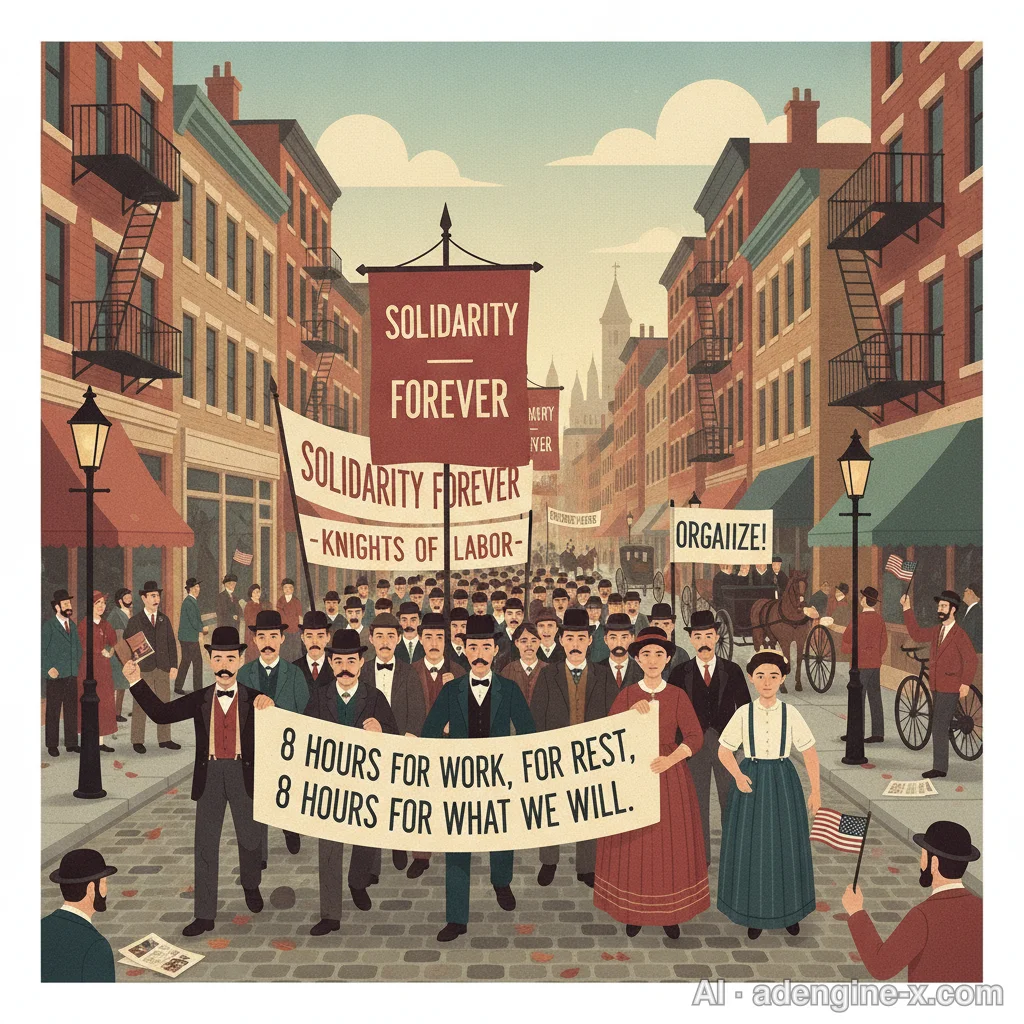
4. Step 1: The Genesis of the Labor Movement (1882–1887)
The 1882 NYC Central Labor Union (CLU) Parade Logistics
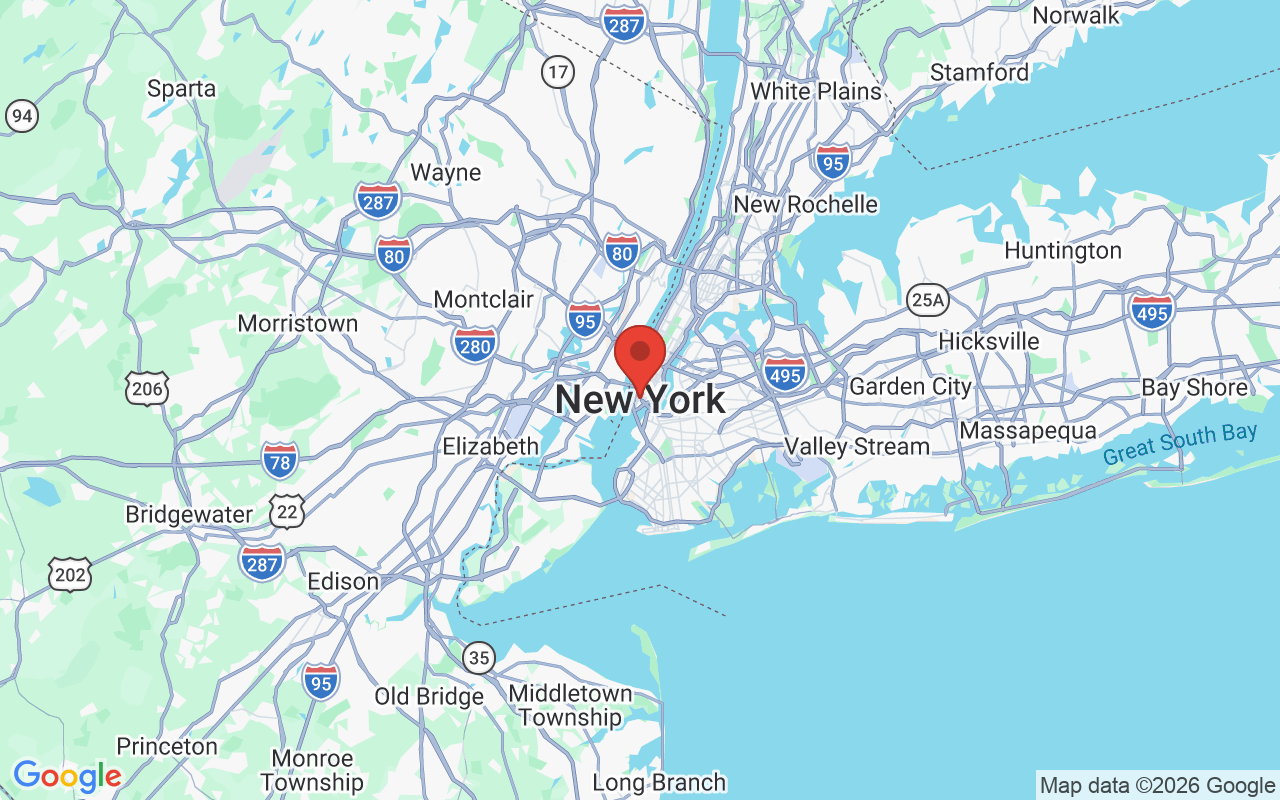
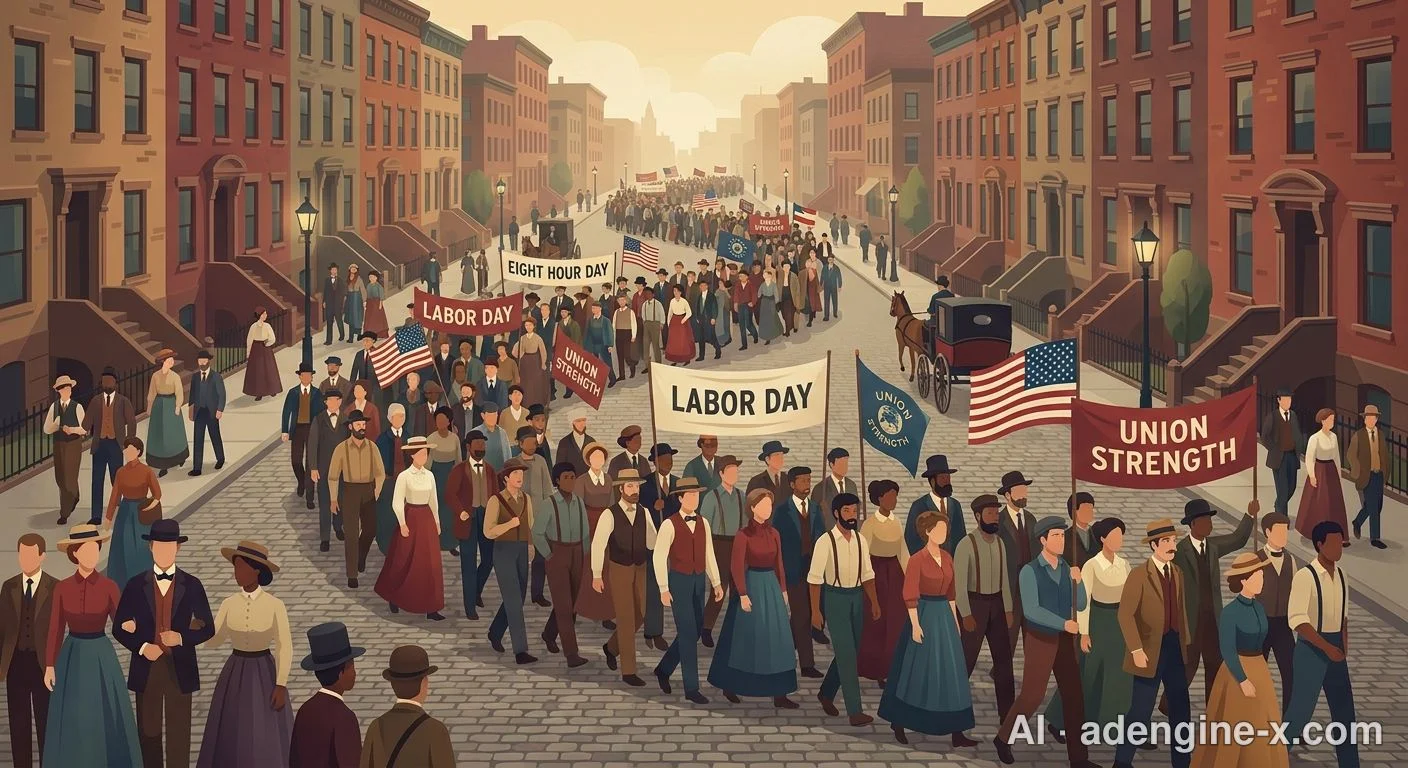
The first Labor Day was not a government initiative but a grassroots logistics operation. On September 5, 1882, the Central Labor Union (CLU) organized a massive demonstration in New York City. Approximately 10,000 to 20,000 workers sacrificed a day's wages to march from City Hall Park, through Union Square, to 92nd Street (Elm Park). This was a high-risk maneuver; workers faced termination for unauthorized absence. However, the sheer volume of participants effectively shielded individuals from retribution, demonstrating the power of collective bargaining units.
 🔍
🔍
State-Level Legislative Momentum: From Oregon to Colorado
Before the federal government intervened, individual states recognized the utility of a labor holiday. Oregon was the first to codify Labor Day into state law on February 21, 1887. By 1894, 23 additional states, including New York, New Jersey, and Massachusetts, had passed similar legislation. This decentralized adoption created a patchwork of legal recognitions that eventually forced a federal standard to ensure interstate commerce consistency.
 🔍
🔍5. Step 2: The Pullman Strike and the Federalization of Labor Day
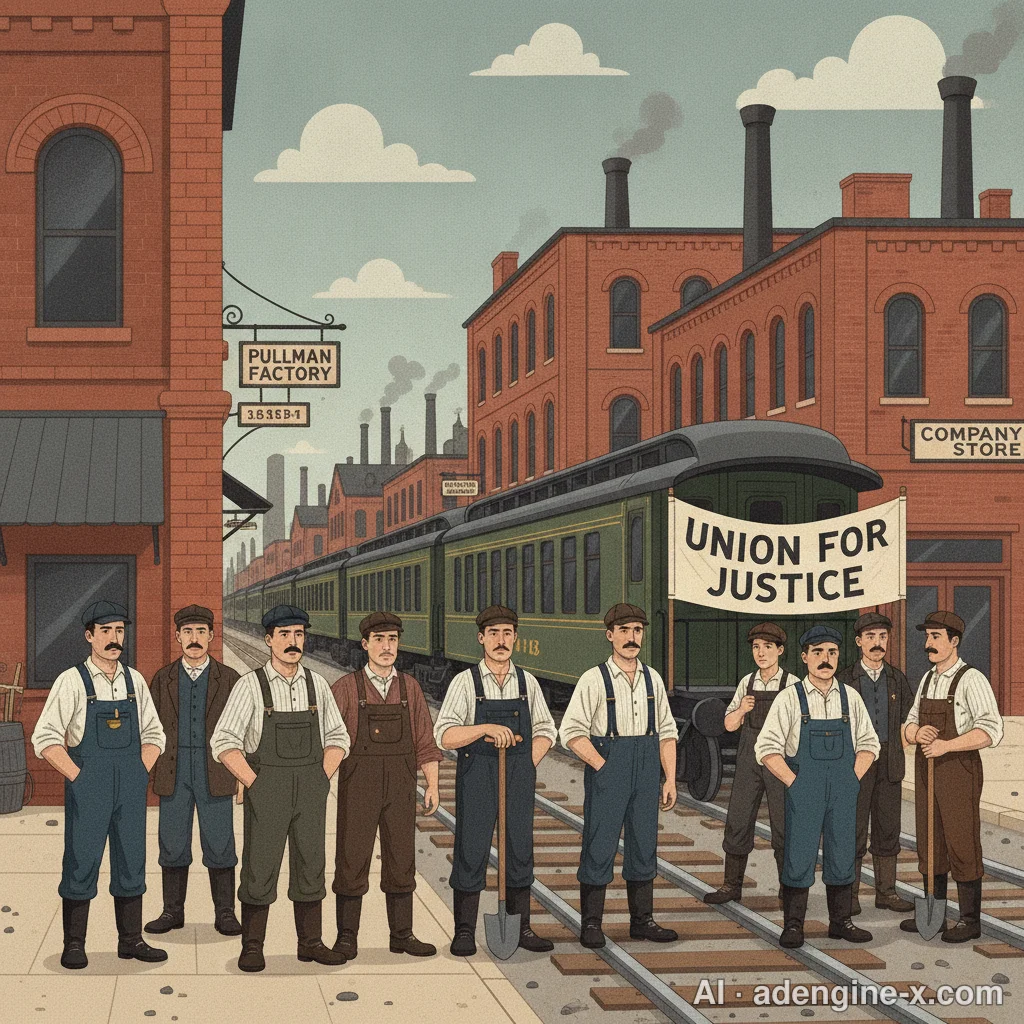
The Pullman Town Socio-Economic Trap
The pivot point for Labor Day's federalization was the 1894 Pullman Strike. George Pullman’s "company town" in Illinois represented a closed-loop economic system. Following the Panic of 1893, Pullman slashed wages by 25% to 28% but maintained fixed rents and high utility costs within the company town. This resulted in workers receiving paychecks as low as a few cents after deductions. The ensuing strike, led by Eugene V. Debs and the American Railway Union (ARU), paralyzed the national rail network, involving 250,000 workers across 27 states.
Military Intervention and the Cleveland Administration’s Political Calculus
The federal response was severe. President Grover Cleveland dispatched 12,000 federal troops and U.S. Marshals to break the strike, citing the interference with U.S. Mail. The resulting violence led to over 30 deaths and approximately $80 million in property damage. Facing a massive backlash and a looming election, Cleveland signed S. 730 into law on June 28, 1894, just six days after the strike's peak. This was a tactical political move to appease the labor vote without conceding to the more radical demands of the ARU.
Contemporary labor organizers and historical analysts argued that the federal intervention signaled that the judicial and executive branches had aligned with corporate interests, directly undermining the fundamental organizing rights of workers.
6. Modern Market Impact: Logistics, Consumption, and Travel Data
The 3-Day Weekend Mobility Metrics
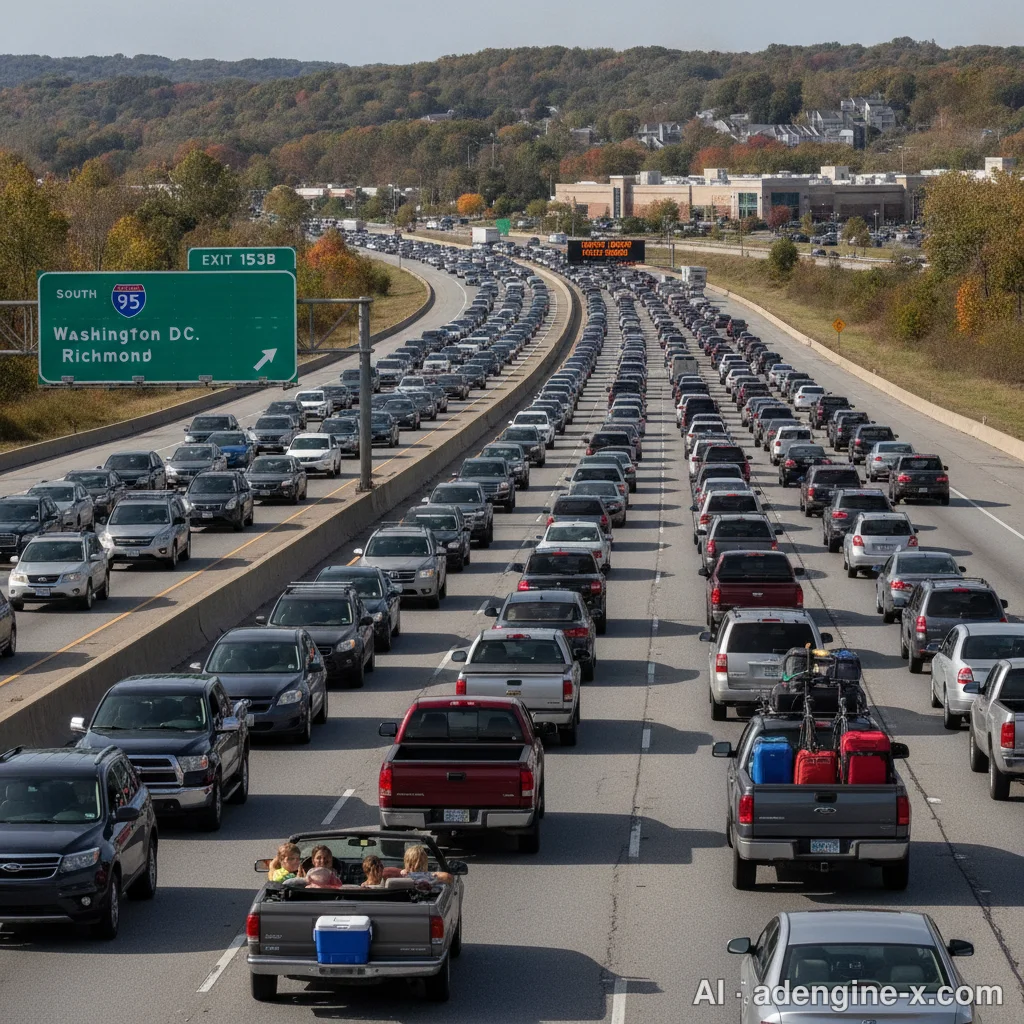
In the contemporary era, Labor Day has evolved into a massive logistical event. According to AAA, over 46 million people travel at least 50 miles from home during the holiday weekend. 85-90% of this travel is via automobile, leading to peak congestion on Thursday and Friday afternoons (2:00 PM – 8:00 PM). Aviation data from the TSA shows passenger throughput often exceeds 17 million during the six-day window surrounding the holiday, according to estimates, with domestic round-trip fares averaging between $750 and $790.
The Retail and Consumer Spending Spike
Labor Day is the peak of the "Back-to-School" shopping season, second only to the winter holidays in retail volume. It also marks the apex of the summer grilling season. The National Hot Dog and Sausage Council (NHDSC) reports that Americans consume approximately 7 billion hot dogs between Memorial Day and Labor Day. For retailers, this is a critical liquidation period for summer inventory, characterized by massive discounts on mattresses, large appliances, and outdoor gear.

7. Common Misconceptions and Strategic Pitfalls to Avoid
The Paid Leave Fallacy in the Private Sector
As noted earlier, do not assume a legal right to holiday pay. Many workers in the gig economy or retail sectors are required to work on Labor Day without overtime premiums unless specified in their contracts. It is essential to review your Employee Handbook or CBA. In many states, "at-will" employment allows companies to terminate employees who refuse to work on a holiday if it is a standard business day for that firm.
The "No White After Labor Day" Classist Origin
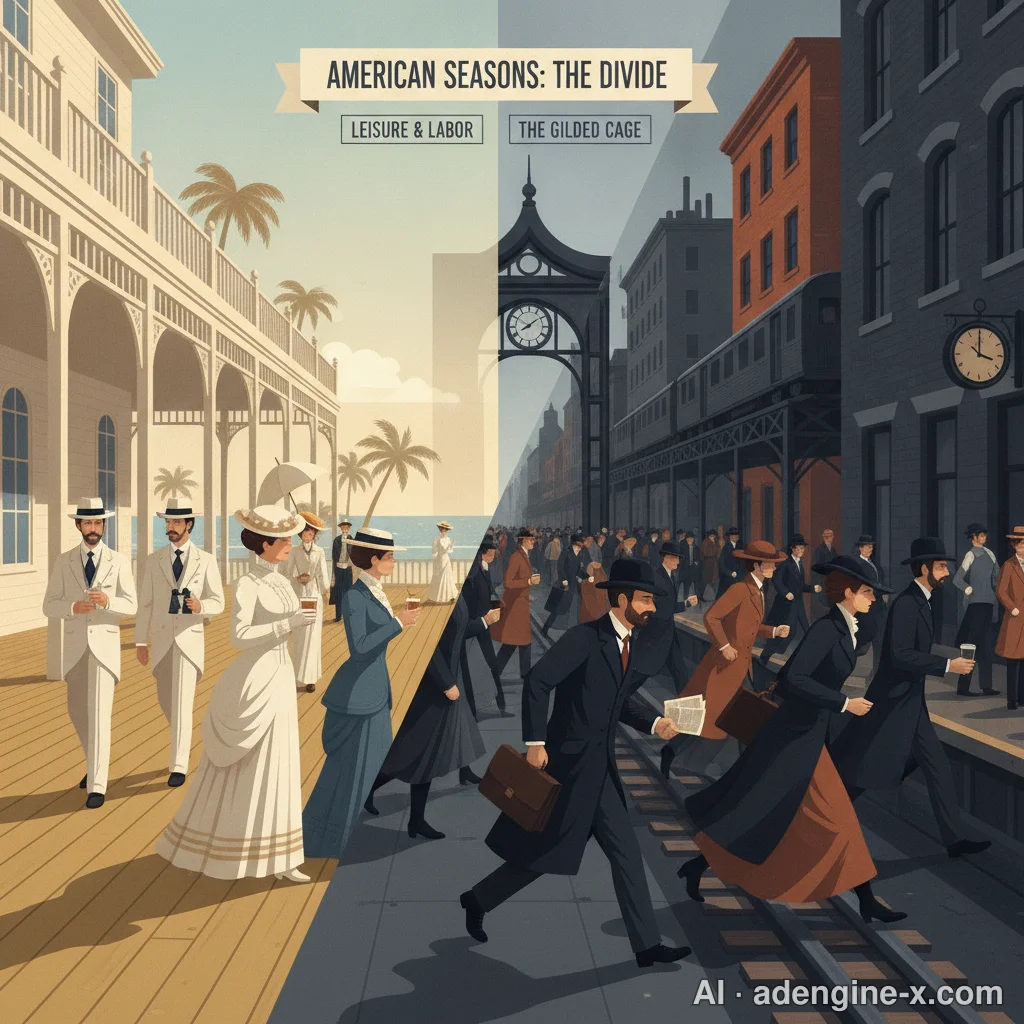
The fashion rule regarding white clothing is not a stylistic necessity but a 19th-century socio-economic marker. High-society families in the Gilded Age used the transition from white linen (summer resort wear) to dark wool (urban business attire) immediately after Labor Day to distinguish themselves from the working class who could not afford seasonal wardrobes. In the modern era, this rule is functionally obsolete but remains a curious artifact of class-based signaling.
8. Future Projections: AI, Automation, and the 32-Hour Workweek
The Shift Toward Algorithmic Bargaining
The next frontier for Labor Day discourse may involve the regulation of Artificial Intelligence. Recent strikes by the WGA and SAG-AFTRA highlight a shift from wage-centric disputes to "technological sovereignty." Workers are now demanding rights regarding algorithmic transparency and protection against AI-generated replacement. Future Labor Day proclamations will likely focus on the "human-in-the-loop" requirement for industrial processes.
Legislative Drifts: The PRO Act and the 4-Day Week
There is growing momentum for the Thirty-Two-Hour Workweek Act, which aims to redefine the standard workweek under the FLSA. Proponents argue that productivity gains from automation should result in more leisure time for workers, mirroring the 19th-century push for the 8-hour day. Additionally, the PRO Act (Protecting the Right to Organize) remains a central legislative target to counteract the decline in union density, which currently sits at approximately 10.0% of the U.S. workforce.
9. Frequently Asked Questions (FAQ)
- Q: Who is the true founder of Labor Day?
A: The U.S. Department of Labor officially recognizes both Peter J. McGuire (AFL) and Matthew Maguire (CLU). While Peter McGuire was long credited, historical evidence suggests Matthew Maguire was the primary organizer of the 1882 parade. - Q: Why is Labor Day in September instead of May?
A: President Grover Cleveland chose September to distance the American holiday from the radical socialist and anarchist associations of May 1 (May Day), which commemorated the Haymarket Affair. - Q: Are banks and post offices closed?
A: Yes. As a federal holiday, the USPS, Federal Reserve, NYSE, and NASDAQ are closed. Most commercial banks follow the Fed's schedule. - Q: Does Costco open on Labor Day?
A: No. Costco is one of the few major retailers that remains closed on Labor Day as part of its seven-day annual holiday closure policy. - Q: What is the best time to avoid traffic?
A: Data suggests traveling before 11:00 AM on Friday or before 10:00 AM on Monday (Labor Day) provides the best window to avoid peak congestion.
Disclaimer: Specific employment conditions, holiday pay eligibility, and retail hours are subject to individual company policies and local regulations. Always consult your official employment contract or local government announcements for the most accurate information.
ℹ️ This article was drafted with the help of an AI tool and reviewed/edited by a human before publishing. · Original: AdEngine-X
📚 References
This list may include both live search sources the AI referenced while writing and public-data sources checked during fact verification. Please verify the original sources before citing or reusing.
0 Comments
Loading comments...