South China Sea in 2026 ASEAN talks and trade risks
📌 Topic & Subject
This article examines the November 2026 ASEAN-China summit in Manila, where negotiations over a South China Sea Code of Conduct concluded without a final agreement, leaving core legal and geographic issues unresolved. It outlines the competing claims among nations like China, the Philippines, and Vietnam, while assessing potential economic and trade risks to global energy deliveries, manufacturing supply chains, and freight markets.
📌 Table of Contents
- 1. What the Manila summit left unresolved
- 2. Why the dispute resists a settlement
- 3. What the key figures actually measure
- 4. Where the parties’ positions diverge
- 5. How consumers and investors are exposed
- 6. Which outcomes the evidence supports
- 7. What to watch as talks continue
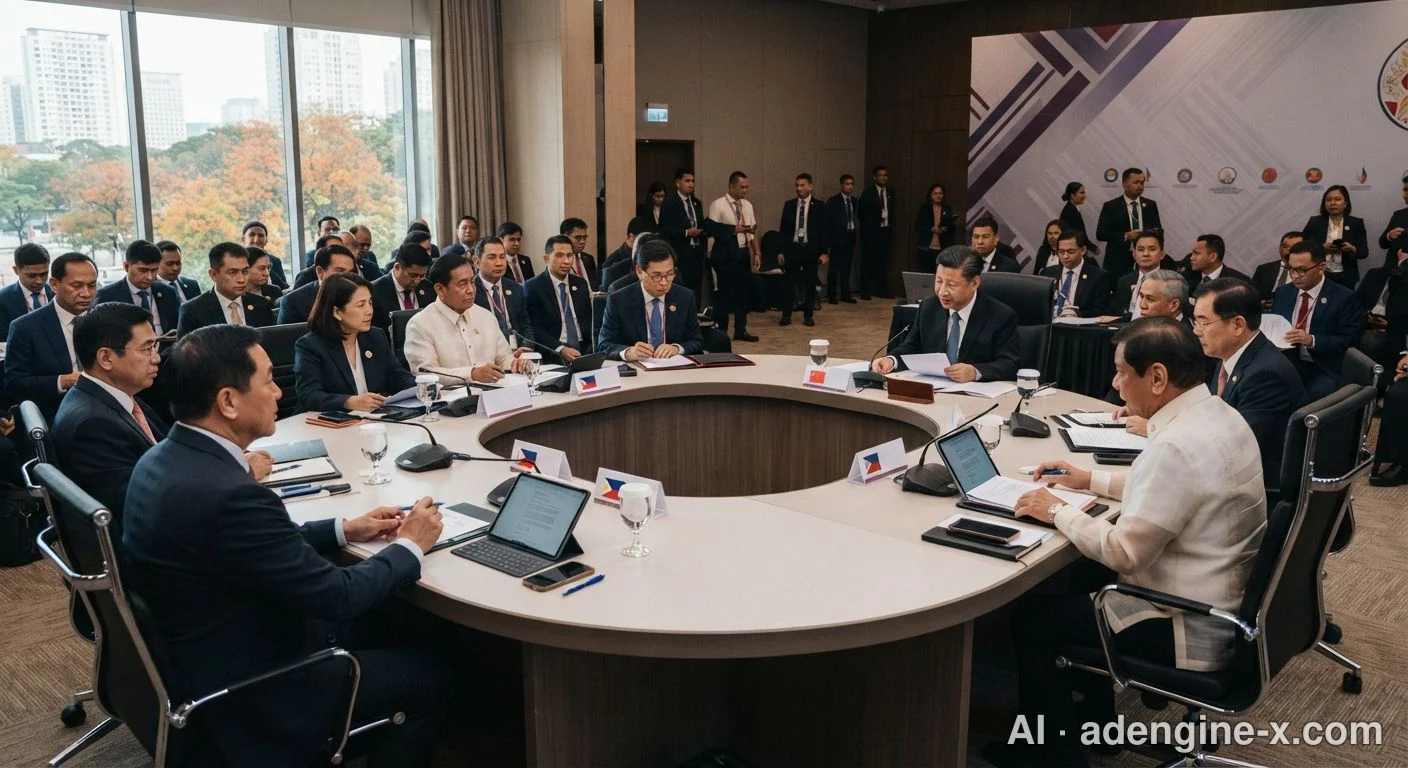
ASEAN and China ended their November 15–17, 2026, Manila summit without completing a South China Sea code of conduct. Philippine officials put provisional agreement at roughly 77%–80% of draft paragraphs, with the most consequential legal questions unresolved.
The immediate outcome is another negotiating handoff, not a shipping shutdown. The economic concern is whether prolonged uncertainty increases the likelihood of maritime incidents that disrupt energy deliveries, manufacturing supply chains, and freight markets.
What the Manila summit left unresolved
The negotiations concern a Code of Conduct, or COC, intended to reduce confrontation in waters subject to overlapping territorial and maritime claims. China, Taiwan, the Philippines, Vietnam, Malaysia, and Brunei have competing claims in the South China Sea.
According to Philippine Foreign Secretary Ma. Theresa Lazaro’s November 14–15 briefings, negotiators provisionally agreed on roughly 77%–80% of draft paragraphs. She identified geographic coverage, sensitive terminology, and legal enforceability as unresolved issues. She also said several additional months might have allowed completion.
That assessment needs a calendar distinction. The November summit ended without a deal, but the previously announced end-of-2026 target had not yet elapsed on November 19. Philippine officials nevertheless described handing the unfinished negotiations to Singapore, the next ASEAN chair.
The leaders’ public positions combined support for negotiations with different emphases. Chinese Premier Li Qiang called for an early agreement on November 16. Philippine President Ferdinand Marcos Jr. acknowledged progress but emphasized that commitments to international law must translate into conduct.
Why the dispute resists a settlement
The institutional starting point was the 2002 Declaration on the Conduct of Parties in the South China Sea, known as the DOC. It was a political commitment rather than an enforceable settlement. Its restraint provisions did not prevent subsequent island construction or confrontations involving coast guard vessels and water cannons.
Formal consultations toward a stronger framework began in 2005. In 2023, ASEAN and China agreed to accelerate negotiations toward completion by the end of 2026. The current impasse therefore follows an extended diplomatic process, rather than a sudden breakdown at one summit.
A central obstacle is disagreement over the legal baseline. A 2016 arbitral award rejected the legal basis for Chinese historic-rights claims exceeding entitlements under the United Nations Convention on the Law of the Sea. China rejected the award. The tribunal did not settle sovereignty over disputed land features.
This distinction matters because a maritime conduct agreement and a territorial settlement perform different functions. A COC could establish incident-management procedures without resolving ownership. Its usefulness would still depend on where it applies, what behavior it regulates, and how compliance is assessed.
ASEAN’s consensus process adds another constraint. Direct claimants face different security pressures from nonclaimant members with substantial economic relationships with China. Shared support for stability does not automatically produce agreement on enforcement or relations with outside powers.
What the key figures actually measure
The figures below separate current negotiating progress from historical measures of commercial exposure. Trade values and energy shares describe the importance of the route, not losses caused by the November summit. Historical estimates should not be treated as current prices or forecasts.
Indicator | Reported figure | Source and reference date | Interpretation |
|---|---|---|---|
Draft paragraphs provisionally agreed | Approximately 77%–80% | Philippine Department of Foreign Affairs, November 2026 | Measures text-level progress, not enforceability or the probability of completion. |
Agreement before the Philippine chairmanship | Approximately 50% | Philippine Department of Foreign Affairs, early 2026 | Shows substantial drafting progress during the year. |
Time since formal consultations began | 21 years | AP reporting and diplomatic chronology, 2005–November 2026 | Shows the persistence of the negotiating problem. |
Annual maritime trade through the sea | $3.37 trillion–$5.3 trillion across historical estimates | CSIS ChinaPower and UNCTAD, estimates spanning 2016–2024 | Figures from different years and methodologies are not a single current valuation. |
Share of global seaborne trade volume | Approximately 21%–24% | CSIS and UNCTAD, 2023–2024 estimates | Indicates route concentration, not the proportion necessarily disrupted by an incident. |
Share of global seaborne crude oil transport | Approximately 37% | U.S. Energy Information Administration, 2023–2024 estimates | Highlights energy-import exposure; it is not a share of total global oil consumption. |
The provisional-agreement percentage deserves particular caution. Administrative language and communication arrangements can account for many paragraphs, while a few unresolved clauses determine the agreement’s practical force. Paragraph completion therefore cannot be read as an equivalent percentage of political disagreement resolved.
Where the parties’ positions diverge
The remaining disagreements concern the agreement’s operating rules, not merely its wording. Positions also vary within ASEAN, so the organization should not be treated as a single claimant. The comparison below reflects positions described around the November 2026 negotiations.
Issue | China’s position | Philippine and Vietnamese emphasis | Practical consequence |
|---|---|---|---|
Legal force | Preference for a nonbinding framework. | Support for stronger, legally binding obligations grounded in UNCLOS. | Determines whether commitments extend beyond political assurances. |
Military activities involving outside countries | Preference for restrictions on exercises involving external powers. | Concern about preserving security cooperation with outside partners. | Affects strategic autonomy and the regional security balance. |
Geographic coverage | Coverage remains disputed against the background of China’s extensive claims. | Coverage must remain consistent with maritime rights under international law. | Determines where incident-prevention obligations would apply. |
Lazaro specifically identified geographic scope, definitions, and legal force as outstanding problems. Li’s November 16 call for early completion demonstrated continued Chinese support for negotiations. Neither statement established agreement on the disputed provisions.
An ASEAN-China draft statement obtained by AP on November 16 called for restraint and avoidance of actions that aggravate disputes. Its status matters: draft language signals diplomatic intent, but it should not be treated as a finalized enforcement mechanism.
The essential difference from the 2002 DOC would be operational substance. A new document would need clearer obligations or workable dispute-prevention procedures to change behavior. A revised title alone would not demonstrate greater effectiveness.
How consumers and investors are exposed
The transmission mechanism is disruption, not diplomatic delay by itself. A localized confrontation could remain geographically contained. A broader interruption could affect vessel routing, insurance, port schedules, and energy deliveries, with consequences depending on its location and duration.
For consumers, energy is a direct exposure channel. The EIA’s 2023–2024 estimates show substantial crude flows through the sea. Shipping interruptions could raise delivered energy costs, although inventories, alternative supplies, and demand conditions would influence the eventual price response.

Manufactured goods face a different sequence. Delayed components can interrupt production schedules before higher freight costs reach retail prices. Electronics, semiconductor supply chains, and automotive components are exposed through regional shipping networks, but cost pass-through depends on contracts, inventories, and competition.

Alternative routes through Indonesian waters offer some flexibility, but they are not equivalent substitutes for every voyage. Longer routes can consume additional fuel and vessel time. The effect varies with origin, destination, ship characteristics, and the precise area affected.
For investors, the relevant distinction is between revenue exposure and operational dependence. A company may sell little in Southeast Asia while relying on components shipped through the region. Financial disclosures concerning suppliers, inventories, freight contracts, and delivery obligations can reveal that dependence.
Shipping companies also face mixed effects. Higher freight rates may support revenue, while rerouting, insurance, fuel consumption, and schedule disruption raise costs. Neither a failed summit nor a freight-rate increase establishes a uniform earnings outcome.
Which outcomes the evidence supports
Continued negotiations are supported by the documented drafting progress and both sides’ stated preference for an agreement. However, unresolved legal provisions make the completion date uncertain. Lazaro’s suggestion that additional months could suffice represents her assessment, not a binding timetable.
A limited agreement is another plausible outcome. Parties could prioritize communication channels and incident-management procedures while leaving sovereignty disputes unresolved. Its value would depend on whether operational agencies follow those procedures during confrontations.
A broader, enforceable agreement would require movement on the issues that remain open. Geographic scope, legal force, and relations with external security partners are consequential concessions. The draft’s completion percentage does not establish that those concessions are imminent.
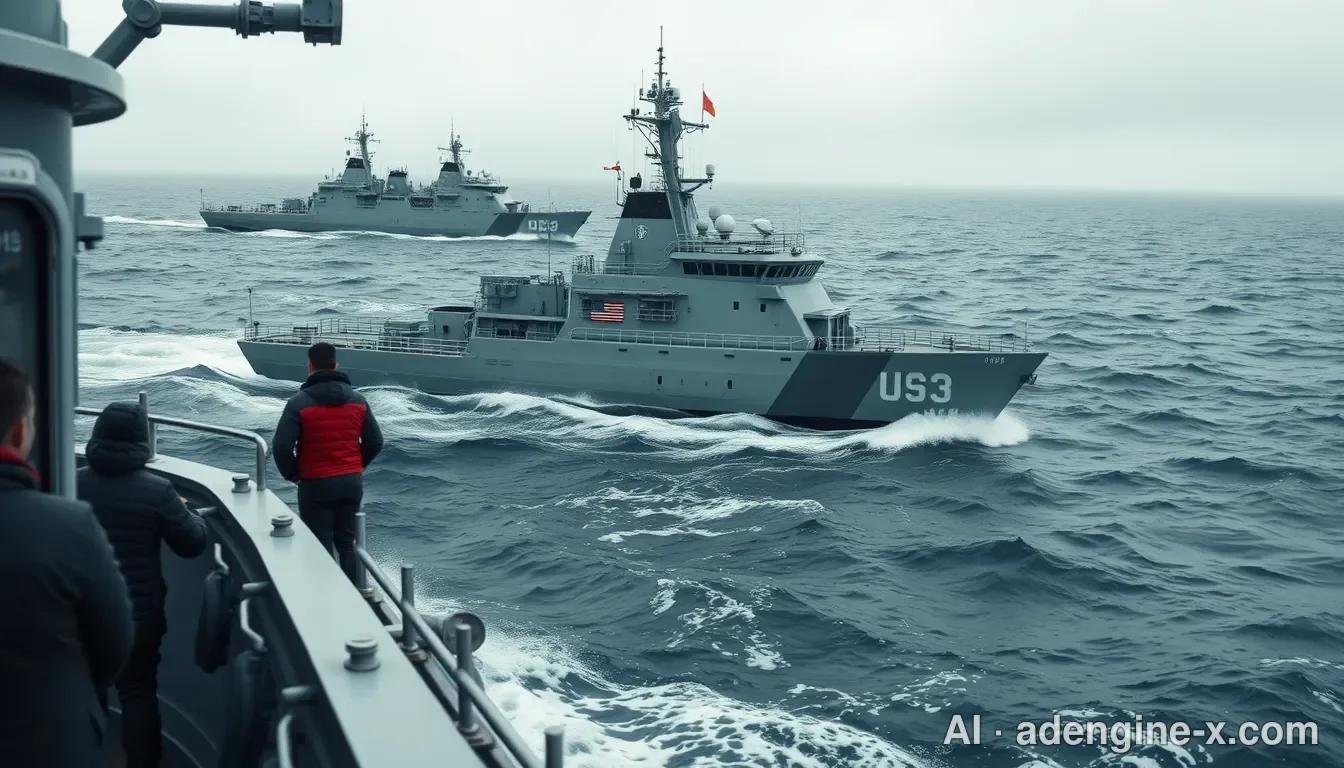
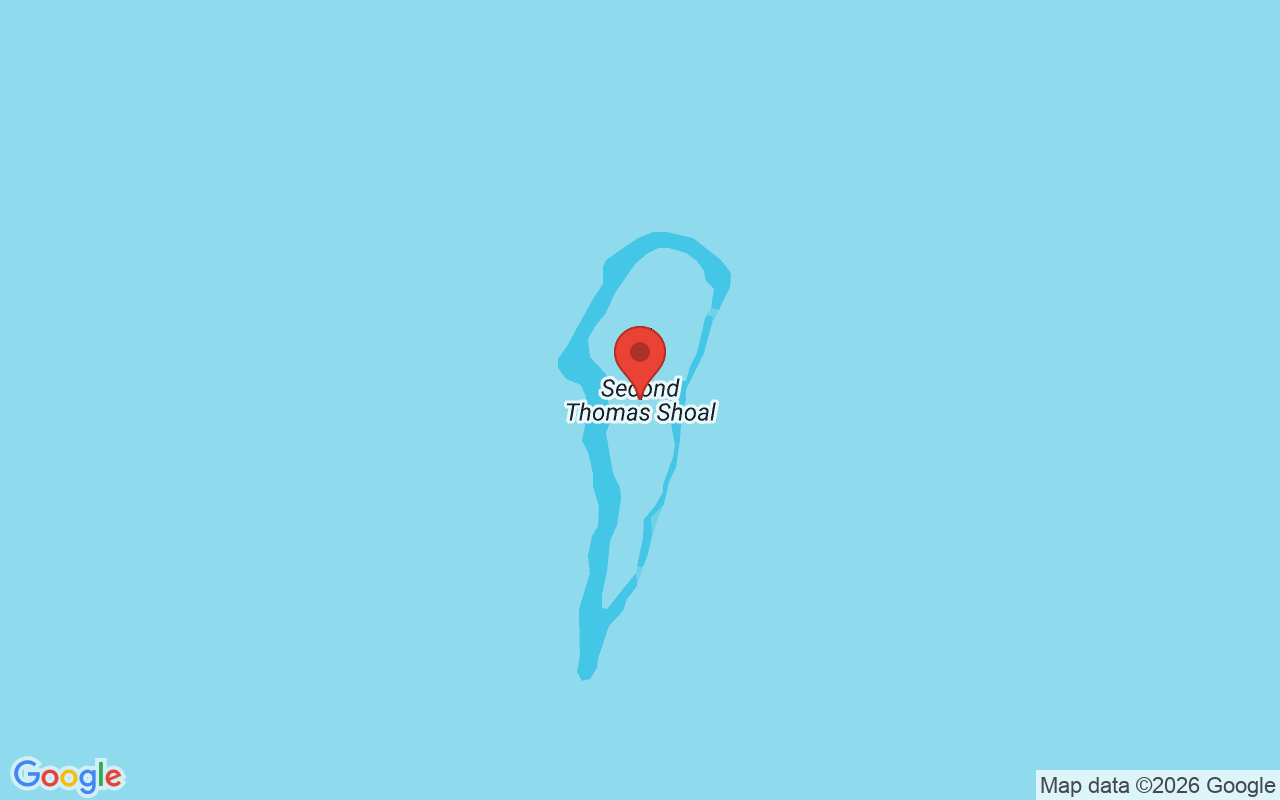
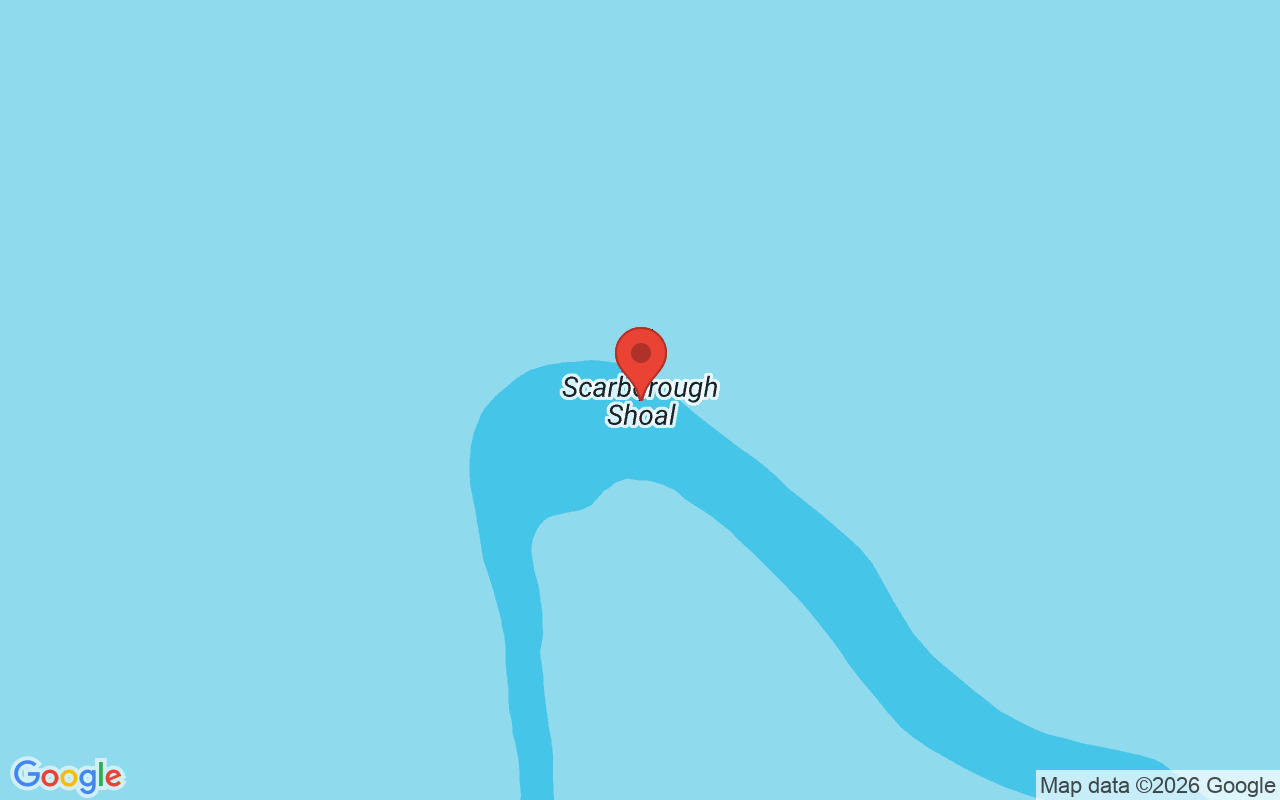
Escalation remains a risk rather than an established forecast. Confrontations around Scarborough Shoal or Second Thomas Shoal could increase pressure on negotiations and commercial operators. Evidence of persistent interference with shipping would be more consequential economically than another diplomatic delay.
 🔍
 🔍
What to watch as talks continue
The announced handoff places Singapore at the center of the next negotiating phase. Philippine officials identified January 1, 2027, as the chairmanship transition, with working-level discussions expected during the first half of 2027. Subsequent ASEAN notices will establish the meeting dates and agenda.
Negotiating substance: Watch for published agreement on geographic coverage, legal obligations, and dispute-management procedures, rather than another increase in paragraph completion.
Maritime incidents: Track interference with Philippine resupply operations near Second Thomas Shoal and confrontations around Scarborough Shoal. Frequency, severity, and operational consequences matter.
Insurance: Monitor Joint War Committee listed-area notices and war-risk premium changes for signs that insurers are repricing exposure.
Freight: Follow the Shanghai Containerized Freight Index alongside route-specific quotations. The Baltic Dry Index offers broader dry-bulk context, not a direct Asia-Europe container-rate measure.
Physical operations: Distinguish isolated incidents from sustained rerouting, canceled sailings, or persistent delivery delays before inferring a wider supply-chain shock.
The economic significance of the stalled talks depends on whether unresolved rules translate into disrupted voyages. Negotiating progress matters, but operational evidence is the stronger signal of immediate commercial damage. Start with the latest ASEAN negotiating statement and identify whether it changes the unresolved legal provisions.
ℹ️ This article was written with the help of AI tools. · Original: AdEngine-X

Why Elon Musk election spending impacts Tesla and SpaceX
🇺🇸 English (영어) · 마샬팀장 · 10/23/2026
US Iran carrier risks explained for household investors
🇺🇸 English (영어) · Politics & Security Desk · 11/17/2026

SpaceX Starlink Ukraine restrictions: what changes
🇺🇸 English (영어) · 마샬팀장 · 10/24/2026

Berkshire Energy Valuation: Why BHE Is Worth More Than Duke or Southern and 5 Practical Family Moves
🇺🇸 English (영어) · Finance Desk · 9/20/2026
More from this author




🗞️ Source material
- One of the world's most contested seas is proving too much for Asia's leaders to resolve— Ref: CNBC (headline & link)
This article was independently written and edited by AdEngine-X based on the facts reported in the sources below. No original wording or photos were used.
📚 References
This list may include both live search sources the AI referenced while writing and public-data sources checked during fact verification. Please verify the original sources before citing or reusing.
Was this article helpful?
0 Comments
Loading comments...