Cato Store Closings 2026: Why 120 Locations Are Shutting Down and 6 Practical Steps for Family Budgets
(Advertisers wanted)
(Advertisers wanted)
📌 Topic & Subject
This article discusses the retail chain The Cato Corporation shutting down approximately 120 store locations throughout fiscal year 2026. It examines the company's financial context, historical background, strip center real estate strategy, and the competitive pressures it faces from off-price retailers and e-commerce platforms.
(Advertisers wanted)
(Advertisers wanted)
📌 Table of Contents
- 1. Executive Summary: Why an 80-Year-Old Retail Staple Is Shrinking Its Footprint
- 2. Historical Context: From Five Carolina Shops to a 1,300-Store Suburban Giant
- 3. The 2026 Restructuring: Hard Data, Exit Costs, and Lease Logistics
- 4. Strategic Pivot: Deciphering the Leadership and Analyst Perspectives
- 5. The Retail Battlefield: Why Cato Lost Traffic to TJX, Ross, and Fast-Fashion Apps
- 6. Social and Community Impact: The Loss of Small-Town Clothing Hubs
- 7. Behind the Scenes: Corporate Landlord Leverage and the 2026 Tariff Refund Distortion
- 8. Practical Checklist: How Families Can Navigate Local Cato Closures
- 9. The Financial and Investment Outlook: What Lies Ahead for Cato in Fiscal 2027
- 10. Final Thoughts: Squeezed Retail Footprints and Savvy Household Budgeting
Executive Summary: Why an 80-Year-Old Retail Staple Is Shrinking Its Footprint
If you have ever stopped by a suburban strip center after picking up household groceries at Walmart to grab an affordable Sunday dress or back-to-school essentials for your daughters, you likely know The Cato Corporation (NYSE: CATO). Founded in 1946 in Charlotte, North Carolina, this 80-year-old family-rooted apparel chain has been an unassuming anchor of practical American family wardrobes across small towns and suburban corridors for generations. However, on September 18, 2026, the company submitted a formal Form 8-K filing with the U.S. Securities and Exchange Commission (SEC), confirming that it is closing roughly 70 additional underperforming locations across the third and fourth quarters of fiscal 2026. Combined with closures earlier in the year, Cato will shutter a total of 120 stores within fiscal year 2026.
Here is the bottom-line reality: this is not an emergency Chapter 11 bankruptcy liquidation like those seen with Joann Fabrics or Rite Aid. Cato operates with virtually zero debt and a cash-conscious balance sheet. Instead, executive management is performing targeted corporate triage, abandoning its decades-old habit of offering one-year lease extensions to marginal locations. For everyday families, this means clearance liquidation sales running 70% to 90% off, sudden disruptions to neighborhood layaway arrangements, and the loss of accessible plus-size racks in rural hubs. For investors, it signals a defensive margin-preservation play. Let us sit down together over coffee and break down the complete operational anatomy of this 120-store closure, examine the broader retail battlefield, and review our hands-on family checklist.
Historical Context: From Five Carolina Shops to a 1,300-Store Suburban Giant
The 1946 Post-War Foundation and Family Heritage
To understand why this retrenchment matters, we must examine where Cato came from. In 1946, Wayland Cato and his two sons, Wayland Henry Jr. and Edgar Thomas, launched their modest retail venture with just five storefronts in North Carolina. Their guiding philosophy was remarkably consistent: provide hardworking working-class women and everyday mothers with stylish, wearable fashion at price points that never compromised the family grocery fund. For eight continuous decades, the Cato family maintained tight executive stewardship, with current Chairman and Chief Executive Officer John P. D. Cato continuing to hold significant voting equity.
The Strip Center Geometry: Bypassing Enclosed Malls
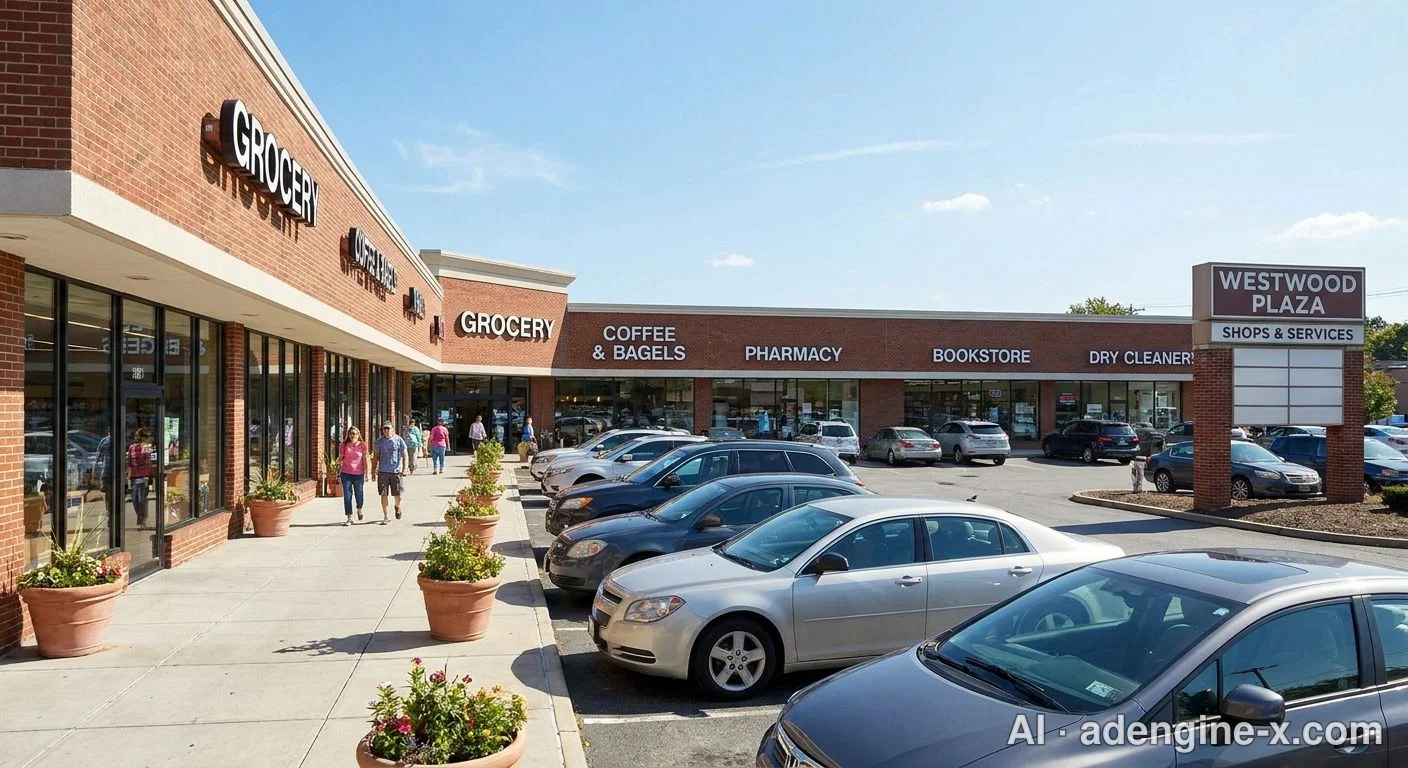
Unlike department store chains that signed predatory anchor leases inside glitzy enclosed shopping malls during the 1970s and 1980s, Cato pursued an intentionally frugal real estate strategy. The chain positioned standard 3,000 to 8,000 square foot storefronts directly into open-air neighborhood strip centers. Their favorite neighbor was Walmart or a high-traffic regional supermarket. The foot-traffic logic was airtight: a busy parent running out on a Saturday morning for milk, laundry detergent, and school supplies could park directly in front of Cato, pop in for twenty minutes, and find a stylish top or office slacks without walking half a mile through a mall concourse.
Portfolio Expansion: Versona, It's Fashion, and Cato Plus
Over the decades, Cato diversified its footprint across several focused banners:
- Cato & Cato Plus: The flagship brand, specializing in misses, junior, and extended plus sizes (16 to 28) with everyday workwear, casual weekend outfits, and holiday dresses.
- Versona: A more upscale accessories, apparel, and lifestyle boutique designed for higher-density suburban mixed-use centers, boasting elevated margins.
- It’s Fashion & It’s Fashion Metro: Urban-oriented, high-trend fast fashion offering budget-conscious coordinating sets and footwear for the entire household.
At its historical peak between the late 1990s and 2010s, Cato commanded an empire of over 1,370 physical stores. Yet by August 2026, that footprint had drifted down to 1,057 units. With this latest wave of 120 closures, Cato will slip below the 1,000-store milestone for the first time in modern operating history—a contraction exceeding 30% from its all-time high.
The 2026 Restructuring: Hard Data, Exit Costs, and Lease Logistics
Quantitative Breakdown of the 120-Store Shutdown
Let us look under the hood at the verified financial metrics and filings. During the first two quarters of fiscal 2026, Cato closed 14 underperforming units while opening only two new doors. The September 18, 2026 announcement confirmed that roughly 70 additional units will be shuttered through the remainder of the fiscal year (closing out on January 30, 2027), bringing full-year closures to approximately 120 units.
| Fiscal Milestone / Metric | Reported Financial / Operational Data | Strategic Family & Market Context |
|---|---|---|
| Total FY2026 Store Closures | Approximately 120 locations (~50 previously planned, plus ~70 additional in Q3-Q4) | Reduces total operational fleet from 1,057 to under 960 locations. |
| Estimated Cash Exit Costs | $1.0 million to $1.3 million | Earmarked strictly for exterior sign removal, shelving disposal, and POS IT recovery. |
| Residual Lease Obligations | $0.00 (Zero early-termination penalties) | Every single closure coincides strictly with naturally expiring lease terms. |
| Typical Store Physical Footprint | 3,000 to 8,000 sq. ft. | Strip center layouts designed for fast in-and-out family shopping runs. |
| Core Merchandising Price Range | $10 to $45 full retail; $4.99 to $9.99 clearance | Targeted squarely at suburban middle- and working-class household budgets. |
| FY2025 Revenue Base | $653.8 million (+0.6% YoY) | Reflects top-line stagnation; 10-year compound annual growth rate (CAGR) stands at -4.3%. |
| Q2 FY2026 Net Income Performance | $1.1 million (-84% YoY vs. $6.8 million) | Severe operating squeeze driven by wage inflation and reduced customer basket sizes. |
The Exit Cost Math: Zero Early Termination Penalties
When most national chains announce store closures, the immediate dread on Wall Street centers on commercial lease breakage fees. Landlords sue, settlement charges compound, and restructuring expenses explode. Cato avoided this trap through meticulous calendar management. Every single one of the approximately 70 units designated for closure in late 2026 has a lease expiring naturally by January 30, 2027.
Consequently, Cato will incur zero landlord penalty fees or trailing rent liabilities into fiscal 2027. The estimated cash departure costs—projected between $1.0 million and $1.3 million—cover logistical line items: taking down exterior channel lettering, safely dismantling fitting room partitions, packing up proprietary POS cash registers, and returning inventory to their regional distribution network.
Strategic Pivot: Deciphering the Leadership and Analyst Perspectives
The Official Word from Chairman & CEO John P. D. Cato
The strategic shift within Cato’s executive suite is stark. In prior retail cycles, the company treated struggling branches with patience. In his formal corporate address, John P. D. Cato detailed the precise operational mechanism that changed:
“We review approximately one-third of our store portfolio each year, evaluating sales trends and profitability to decide whether to exercise lease renewal options. Over the past several years, we frequently extended leases for marginal stores for an additional year to grant them time to turn their sales trends around. However, given current macroeconomic pressures and persistent strain on our core customers’ discretionary income, we no longer anticipate meaningful performance improvement from these marginal locations. Shuttering these doors is a decisive action to safeguard operating income heading into fiscal 2027.”
In plain language: the era of corporate patience has ended. When inflation squeezes family paychecks, borderline stores running on razor-thin break-even margins inevitably slide into operating losses.
The Retail Analyst Counter-Perspective: Daniel Kline’s Critique
While executive management points to general macroeconomic headwinds and reduced customer spending power, independent industry analysts take a more critical view. Daniel Kline, co-editor and veteran retail specialist writing for TheStreet, pointed out that laying blame solely on consumer inflation obscures deeper structural missteps. Kline observed that off-price giants like T.J. Maxx and Ross Stores have expanded profitably under the exact same economic climate. Cato’s real struggle, Kline argued, is its heavy reliance on private-label lines within cramped formats, leaving it vulnerable to both off-price discounters and hyper-cheap digital marketplaces.
The Retail Battlefield: Why Cato Lost Traffic to TJX, Ross, and Fast-Fashion Apps
The Off-Price Model vs. Cato’s Private-Label Sourcing
To grasp why your local strip mall dynamics have shifted, compare how Cato buys its inventory versus the dominant off-price leaders. Over 80% of the apparel on Cato’s racks consists of proprietary private-label lines manufactured overseas exclusively for their stores. When a family spends $25 on a Cato blouse, they are purchasing an in-house label.
Conversely, The TJX Companies (T.J. Maxx, Marshalls) and Ross Stores deploy thousands of buyers worldwide to purchase designer overstocks, department store cancellations, and surplus brand-name goods from labels like Ralph Lauren, Calvin Klein, and Tommy Hilfiger. They sell these recognized brands at 40% to 70% below traditional department store list prices. When household dollars get tight, American shoppers lean heavily into this “treasure hunt” experience. Parents feel they are securing high-prestige brand names at deep discounts, whereas an unfamiliar private label at an identical price point feels far less compelling.
The E-Commerce Blitz: Shein and Temu Rewriting the Price Floor
At the lower end of the pricing spectrum, online ultra-fast fashion platforms such as Shein and Temu have systematically undercut Cato’s core $10 to $20 category. Tech-savvy teenagers and budget-conscious mothers can browse hundreds of thousands of trendy dresses, tops, and accessories on their smartphones for $5 to $12, shipped directly to their front doorsteps. By capturing younger demographics, these digital platforms deprived Cato of the generational renewal required to replace its aging customer base.
| Retail Channel / Competitor | Inventory Sourcing Model | Core Consumer Value Proposition | Vulnerability / Strategic Advantage |
|---|---|---|---|
| The Cato Corporation | 80%+ Proprietary Private Label (PB) | Convenient neighborhood strip centers; uniform pricing across misses & plus sizes. | Lack of brand-name cachet; struggles to drive foot traffic against mega-discounters. |
| Off-Price (TJX / Ross) | Secondary market designer overstocks & cancellations | “Treasure hunt” discounts of 40%–70% on premium, nationally recognized labels. | Massive foot traffic and soaring sales; inconsistent size availability in rural corridors. |
| Ultra-Fast E-Commerce (Shein/Temu) | On-demand direct-from-factory micro-batches | Vast algorithmic catalog; rock-bottom price points ($4–$15) delivered home. | Lacks dressing rooms; sizing inconsistencies and return shipping hassles. |
Social and Community Impact: The Loss of Small-Town Clothing Hubs
The Rural and Suburban Mainstay
To grasp the human side of these closures, step outside major metropolitan markets like Atlanta, Dallas, or Chicago. In rural towns with populations between 8,000 and 35,000 across Georgia, Alabama, the Carolinas, and Ohio, enclosed fashion malls disappeared long ago—or never existed in the first place. For families in these communities, Cato has served as the only dedicated brick-and-mortar apparel destination within a thirty-mile radius.
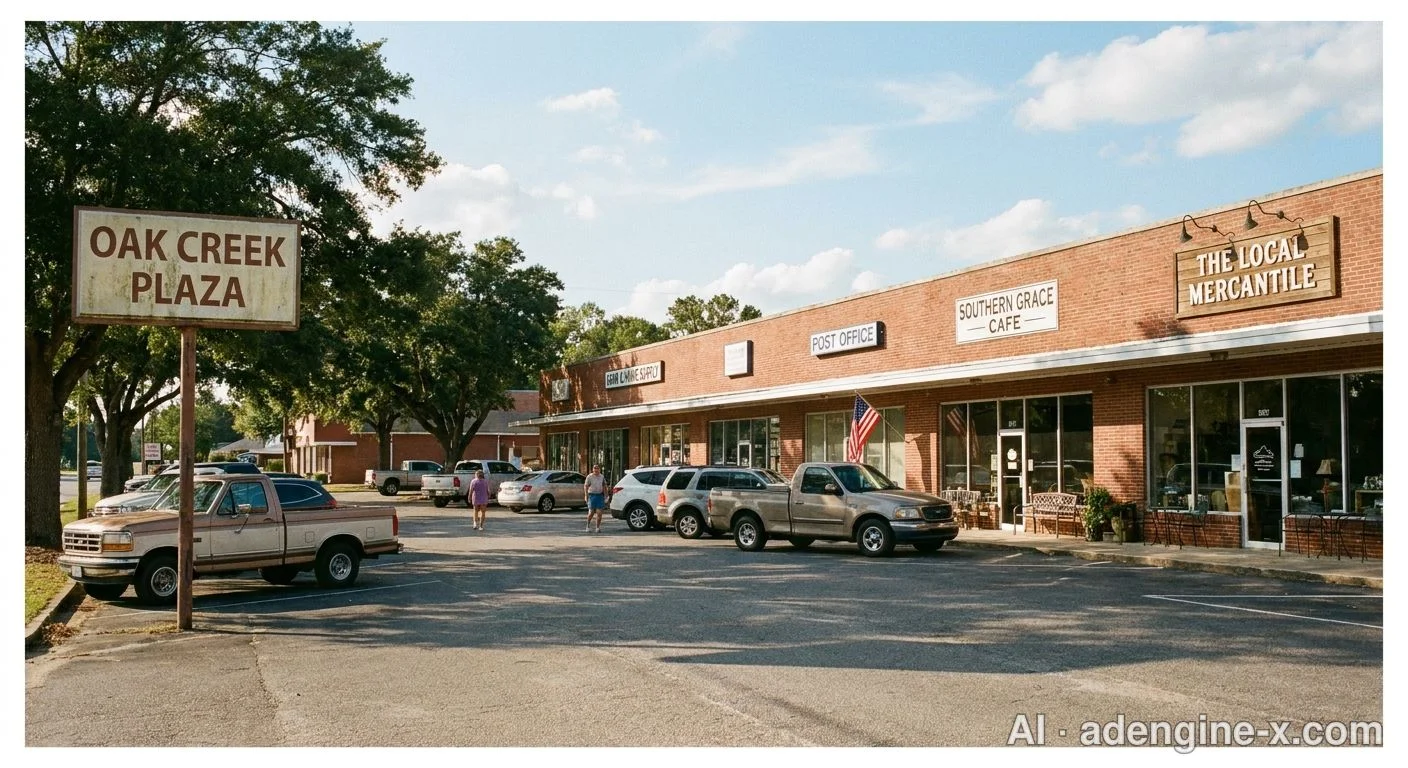
It was the shop where mothers bought Sunday dresses for church services, practical blouses for municipal and hospital shifts, and first interview outfits for high school graduates. The loss of these 120 storefronts leaves behind physical retail voids in communities already grappling with limited shopping choices.
The Plus-Size Apparel Dilemma
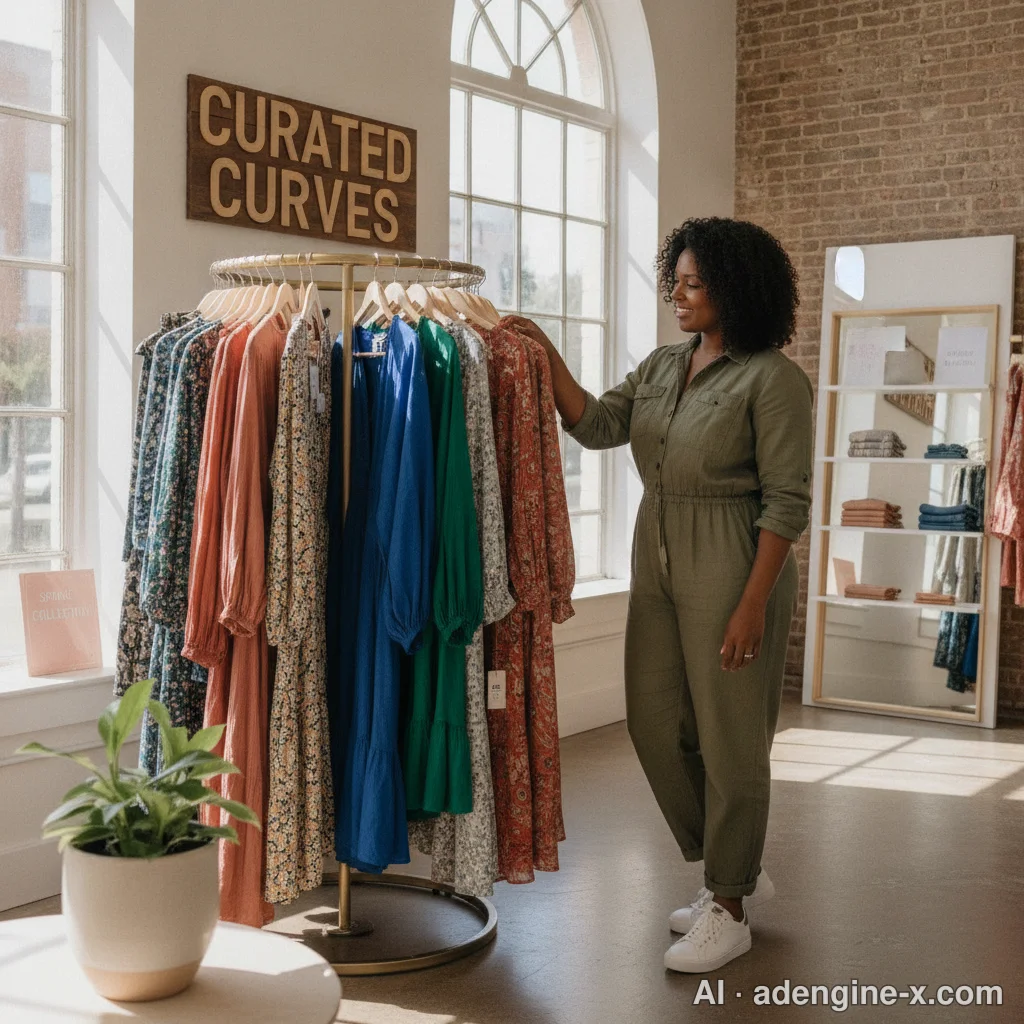
Another major point of friction for local shoppers is the availability of extended sizing. Cato was an early pioneer in offering plus-size apparel (sizes 16 through 28) at the exact same prices as misses and junior sizes, integrated directly on the main sales floor rather than hidden in a dark back corner. Most mid-tier mall chains either do not carry extended sizes in store or charge steep specialty markups.
On local neighborhood forums and community boards, shoppers have voiced real frustration over losing this option: ordering plus-size garments online involves trial-and-error with fit, return postage fees, and long waits for refunds. Having a nearby fitting room to try on three different cuts was a dependable convenience that cannot be replicated by an app.
Shifting Consumer Opinions on Quality and Style
At the same time, long-term customer sentiment has not been universally supportive. Many shoppers have observed that over the past five to seven years, Cato’s design choices leaned too heavily on repetitive cuts and synthetic polyester blends that aged poorly after several laundry cycles. When a store charges $28 for a polyester top while an off-price chain down the road sells a 100% cotton brand-name blouse for $18, even loyal shoppers rethink where they spend their budget.
Behind the Scenes: Corporate Landlord Leverage and the 2026 Tariff Refund Distortion
The Landlord Negotiation Lever
There is an unspoken dynamic at play in corporate real estate that experienced retail watchers understand well. When a retail chain publicly files an SEC notice stating it intends to abandon 70 to 120 lease renewals, it often functions as a powerful bargaining chip. Open-air strip centers rely heavily on occupancy thresholds; if a long-standing anchor tenant walks away from an 8,000-square-foot space adjacent to Walmart, the strip center owner faces prolonged vacancies and potential co-tenancy rent reductions from other tenants.
By announcing its firm intention to close underperforming locations, Cato forces strip center landlords back to the negotiating table. In several instances, property owners will offer substantial rent concessions, common-area fee waivers, or interior remodel allowances simply to keep the lights on—occasionally saving a store slated for closure at the eleventh hour.
The Q1 2026 Profit Illusion: The IEEPA Tariff Windfall
Investors reviewing Cato’s early 2026 earnings might have been confused by the sudden drop in profits. In the first quarter of fiscal 2026, Cato reported a remarkable net income of $9.3 million, sparking optimism among retail investors. However, looking into the footnotes reveals the true driver: that quarterly profit was heavily buoyed by a one-time pre-tax tariff refund of approximately $5.7 million related to customs duties previously paid under the International Emergency Economic Powers Act (IEEPA).
Once this non-operational cash windfall washed through the books, the underlying business reality surfaced in Q2 2026: net income fell by 82% to just $1.15 million. Chairman John Cato and his board understood that without accounting windfalls, their operational cost structure could not sustain underperforming stores in an inflationary environment.
Practical Checklist: How Families Can Navigate Local Cato Closures
If your local neighborhood Cato, Versona, or It’s Fashion store is among the locations winding down operations over the coming weeks, here is a practical, step-by-step checklist to help your household maximize savings while avoiding common clearance pitfalls.
| Action Step | Operational Timeline | Household Action Checklist & Rules |
|---|---|---|
| 1. Track the Clearance Markdown Cycle | Weeks 1 through 8 of closing notice | Initial markdowns start at 20%–30% off. Wait until weeks 5–7 when discounts hit 60%–80% for basic wardrobe staples, seasonal jackets, and children’s layering pieces. |
| 2. Settle and Retrieve Layaway Contracts | Immediate (Within 7 days of notice) | Visit the register to pay off active balances and take possession of merchandise, or request an immediate formal refund before regional logistics consolidate inventory. |
| 3. Redeem Gift Cards and Store Credits | Before store POS networks go dark | While physical cards remain valid on catofashions.com, spending them locally avoids digital shipping charges and sizing mismatches. Check balance at catofashions.com first. |
| 4. Inspect Final-Sale Garments Thoroughly | At the store fitting room & checkout | Closing merchandise is tagged “Final Sale—No Returns.” Inspect zippers, seams, buttons, and hem stitching under good lighting before swiping your card. |
| 5. Convert Cato Credit Card Reward Points | Prior to the billing statement close | Log in to your Cato Credit Card portal, convert accrued points into valid reward vouchers, and redeem them at closing stores before billing account adjustments take effect. |
| 6. Secure Commercial Store Fixtures | Final 10 operating days | Ask store management about purchasing heavy-duty steel rolling racks, wood hangers, full-length mirrors, and display shelving, often priced under $5 to $20 for home garages and closets. |
Clearance Markdown Timing: How to Maximize the Discount Curve
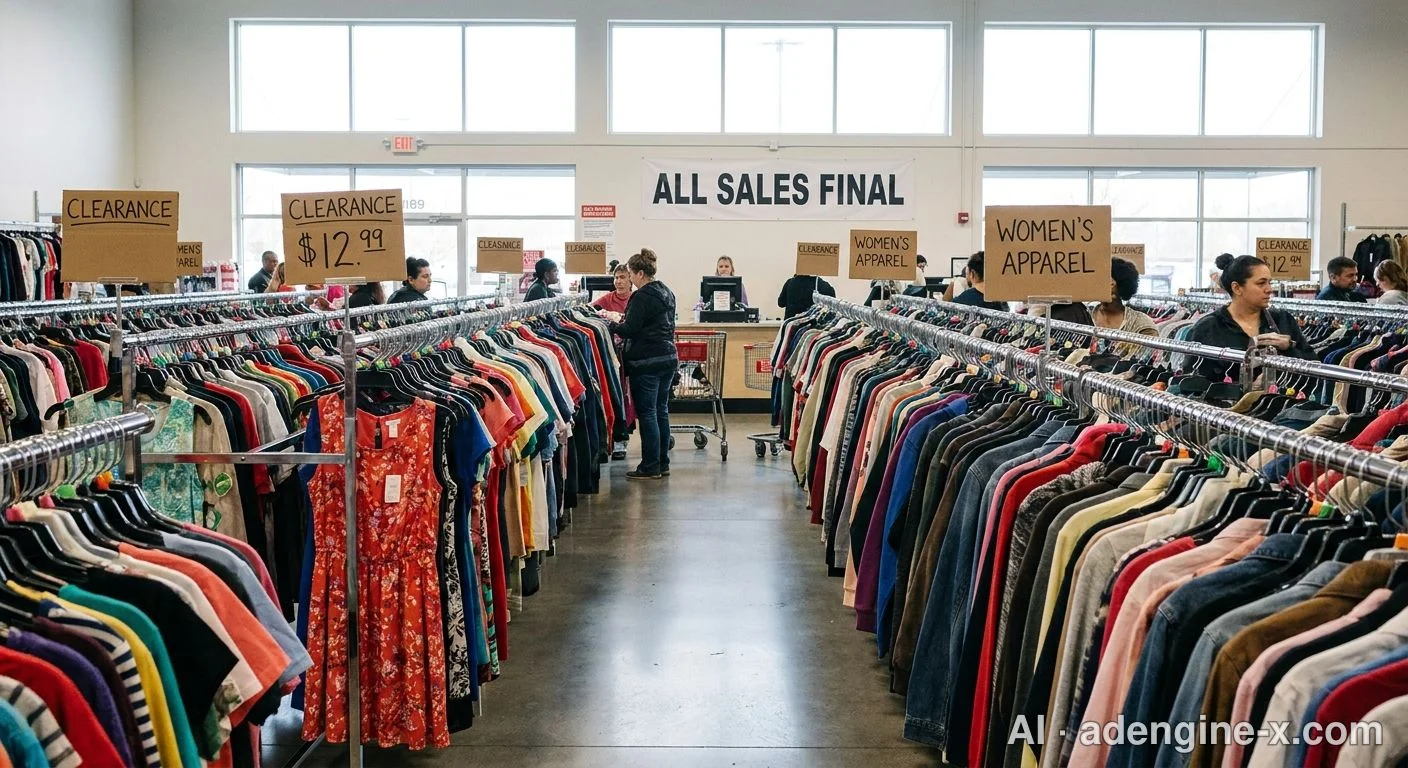
Store liquidation sales follow a predictable rhythm. When yellow “Store Closing” banners first appear, discounts are typically modest—usually 10% to 20% off original sticker prices. At this stage, prices are often higher than standard clearance racks. Unless there is a specific piece you cannot live without, hold off.
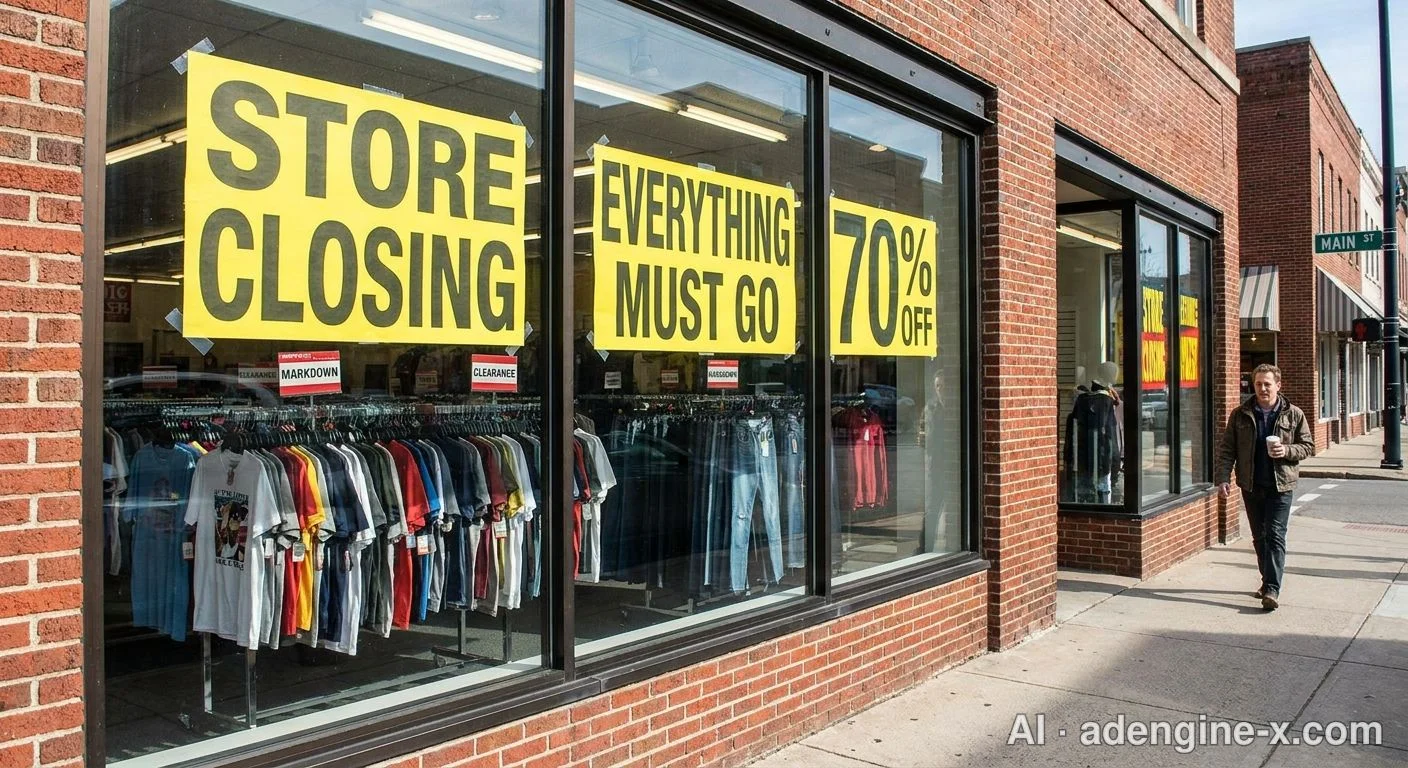
The optimal buying window opens around four to six weeks in. By this point, discounts drop to 50% to 70% off, and while selection has thinned out, core sizes, accessories, and versatile seasonal layers remain available. During the final two weeks, prices collapse to 80% to 90% off, but shelves will be sparse. Focus your late-stage hunting on practical basics: socks, plain camisoles, belts, costume jewelry, and sleepwear.
Resolving Layaways Before Inventory Is Cleared
Cato is one of the few national specialty chains that still offers a traditional in-store layaway plan. This program allows parents to reserve wardrobes for back-to-school or the holidays with a small deposit and bi-weekly cash payments. If your local store is slated to close, take action right away.
Once liquidation managers enter the final weeks of operation, backroom layaway stock can accidentally be pulled back onto the sales floor or packed into transfer bins for regional distribution. Drop by customer service, present your receipts, and either pay off the remaining balance to collect your items or request an immediate refund. Waiting until the final operating week can mean long lines and administrative confusion.
The Financial and Investment Outlook: What Lies Ahead for Cato in Fiscal 2027
Eliminating the Cash Drag of 120 Marginal Storefronts
From an equity valuation and credit perspective, shuttering roughly 11% of an entire store base is often the healthiest move an aging retailer can make. In retail operations, an underperforming storefront generates a persistent drag: it ties up baseline inventory, incurs utility bills, requires ongoing payroll, and consumes supervisory attention from district managers while returning marginal or negative free cash flow.
By pruning 120 of its weakest locations—with zero lease-break penalties and modest closing costs of $1.0 million to $1.3 million—Cato should eliminate millions of dollars in annual store-level operating expenses. Heading into fiscal 2027, the consolidated enterprise will run on a leaner, more defensible base of roughly 940 to 950 profitable stores. If Cato holds same-store sales steady within its remaining footprint, operating margins could see a meaningful recovery.
The Versona Banner: The Strategic Growth Driver
While the Cato banner contracts in smaller rural strip centers, investors should pay close attention to Versona. This brand caters to a slightly higher household income tier with curated boutique accessories, shoes, and modern dresses. Versona locations deliver higher average unit volumes and stronger gross margins.

Over the next three to five years, Cato’s path to stability likely involves reallocating capital expenditures away from struggling legacy Cato stores and into modern Versona builds in growing suburban hubs. Transitioning from an aging rural dress merchant into a focused regional boutique operator could help the company reclaim sustainable profitability.
Investment Takeaway: A High-Yield Defensive Value Play with Real Risks
For conservative value investors, Cato presents an intriguing case study. The company carries virtually no long-term debt, owns significant distribution infrastructure, and maintains substantial book value per share. However, top-line contraction remains an ongoing headwind, with a 10-year revenue CAGR of -4.3%.
Until management demonstrates that its remaining store fleet can generate positive same-store traffic without relying on one-off tariff windfalls, Cato remains a defensive value play suited primarily for patient value investors rather than growth-oriented portfolios. Specific financial parameters remain subject to quarterly SEC filings and audited releases.
Final Thoughts: Squeezed Retail Footprints and Savvy Household Budgeting
The story of Cato closing 120 stores across America in 2026 is a vivid snapshot of the crosscurrents facing everyday consumers. Working-class families have shouldered years of cumulative grocery, housing, and utility inflation. When paychecks are stretched thin, shopping habits change: households either trade up to the perceived value of brand-name off-price discounters like Ross and T.J. Maxx, or turn to digital bargains through e-commerce marketplaces.
As careful managers of our own household budgets, our responsibility is to stay informed, adapt our shopping strategies, and take practical advantage of shifting market realities. Take time to inspect your neighborhood strip centers, review any active layaways or store credits, and turn corporate restructuring cycles into smart, disciplined savings for your family wardrobe.
ℹ️ This article was drafted with the help of an AI tool and reviewed/edited by a human before publishing. · Original: AdEngine-X
📚 References
This list may include both live search sources the AI referenced while writing and public-data sources checked during fact verification. Please verify the original sources before citing or reusing.
0 Comments
Loading comments...