Apple Price Hikes 2026: Why Memory Costs Are Surging
(Advertisers wanted)
(Advertisers wanted)
📌 Topic & Subject
This article details Apple's 2026 retail price increases across MacBooks, iPads, and older iPhone models, driven by a severe global shortage in memory procurement costs. It examines how enterprise artificial intelligence infrastructure investments reallocated semiconductor fabrication capacity away from consumer DRAM and NAND flash, prompting strategic inventory stockpiling and price adjustments by Apple.
(Advertisers wanted)
(Advertisers wanted)
📌 Table of Contents
- 1. Apple price increases across major hardware lines
- 2. The mechanics of the memory supply deficit
- 3. Executive statements and analyst valuations
- 4. Strategic approaches across hardware manufacturers
- 5. Structural comparison with the 2011 supply shock
- 6. Consumer reception and market contraction metrics
- 7. Consumer procurement tactics during supply constraints
- 8. Supply chain shifts and executive succession
- 9. Market trajectory through 2028
Apple price increases across major hardware lines
Apple raised retail prices across MacBooks, iPads, and older iPhone models in 2026 after memory procurement costs surged unexpectedly. The decision followed an explicit warning from former chief executive Tim Cook, who characterized the semiconductor pricing spike as a hundred-year flood.
In June 2026, baseline pricing for MacBook and iPad lineups increased between 15% and 25%. Three months later, Apple raised the price of previous-generation handsets, including iPhone 16 and iPhone 17 models, by $100 instead of executing its traditional post-keynote price reductions.
Decades of deflationary consumer electronics pricing
Personal computing hardware historically followed Moore’s Law, doubling transistor density roughly every two years. Consumers expected stable launch prices alongside doubled baseline storage and system memory tiers across successive hardware releases.
Apple built its hardware business around predictable multi-year component procurement contracts. Fixed long-term contracts insulated consumer pricing from quarterly commodity swings and preserved hardware gross margins between 40% and 45% for over fifteen years.
The shift in memory supply dynamics
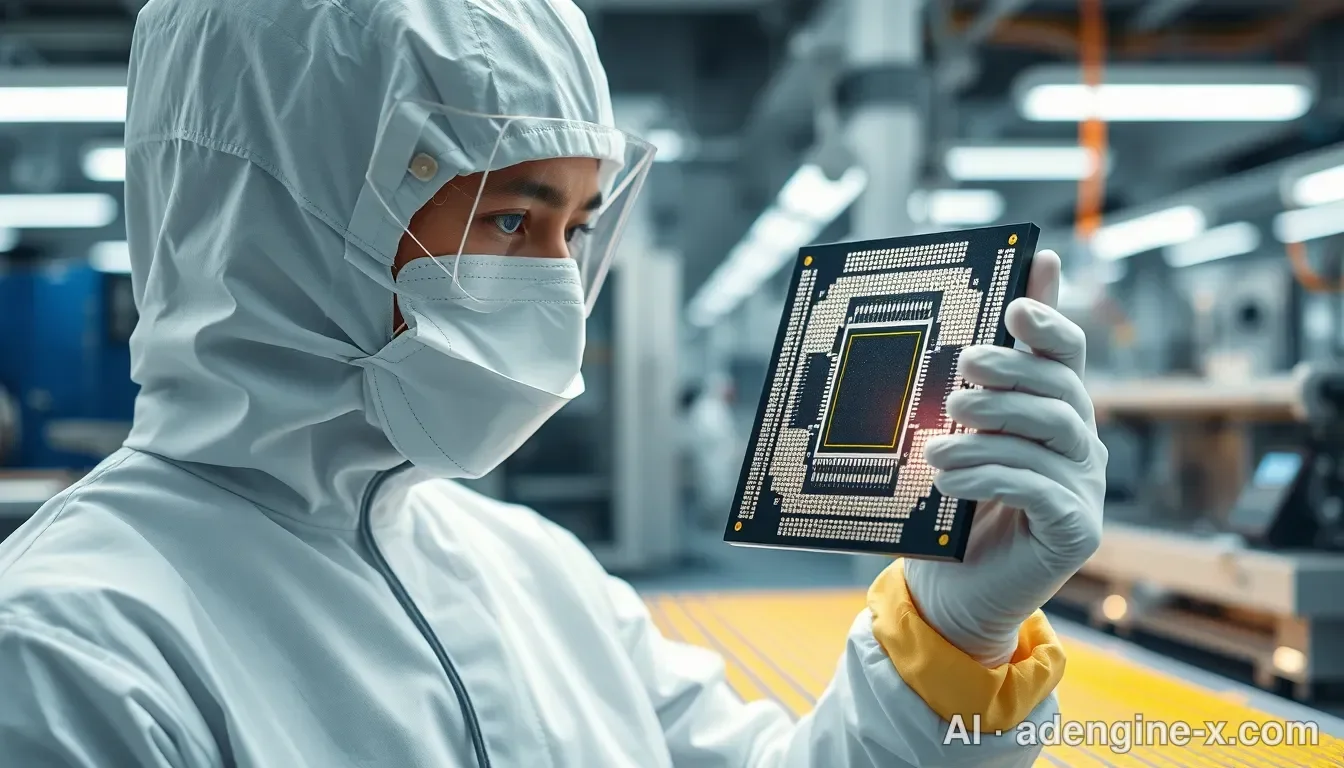
Hyperscale infrastructure investments by cloud providers reallocated semiconductor fabrication lines toward enterprise artificial intelligence chips between 2024 and 2026. Wafer capacity previously allocated to consumer low-power double data rate (LPDDR) memory transitioned to high-bandwidth memory (HBM).
This reallocation restricted standard DRAM and NAND flash output, triggering a sudden imbalance between consumer device manufacturing demand and fab production capacity across major semiconductor suppliers worldwide.
The mechanics of the memory supply deficit
Global demand for enterprise server memory outpaced supply projections throughout 2026. According to TrendForce, smartphone LPDDR5X DRAM contract rates reportedly rose from approximately $1.50 per gigabit to around $2.00 per gigabit, indicating an estimated 33.3% increase within consecutive contract cycles.
Spot market prices for select enterprise NAND and high-density memory modules reportedly rose by up to 90% during the first quarter of 2026. Transaction pricing across mobile and server DRAM tiers reportedly increased significantly over three operating quarters, with some reports suggesting up to a fourfold rise.
Hyperscale infrastructure demand versus fabrication limits
Global memory demand growth was estimated to reach around 36.2% for the 2026–2027 cycle, whereas capital expenditures by memory fabricators were expected to support a supply expansion of approximately 19.3%. This generated a structural deficit across global hardware pipelines.
The market supply-demand deficit was projected to expand from approximately -8.1% in 2026 to around -13.6% for 2027. Cleanroom buildouts and extreme ultraviolet lithography installations require two to three years before producing commercial silicon yields.
Hardware specifications and retail price adjustments
Apple departed from its historical pricing structure to counter component bill-of-materials inflation. Entry-level notebook configurations absorbed price increases alongside flagship mobile hardware lines.
| Hardware Line | Previous Retail (USD) | Revised Retail (USD) | Price Delta | Percentage Shift |
|---|---|---|---|---|
| MacBook Neo (Baseline) | $599 | $699 | +$100 | +16.7% |
| MacBook Air (M-Series Baseline) | $1,099 | $1,299 | +$200 | +18.2% |
| MacBook Pro (High-Performance) | $1,699 | $1,999 | +$300 | +17.7% |
| iPad Air | $599 | $749 | +$150 | +25.0% |
| iPad Pro | $999 | $1,199 | +$200 | +20.0% |
| iPhone 16 | $699 | $799 | +$100 | +14.3% |
| iPhone 17 | $799 | $899 | +$100 | +12.5% |
Inventory accumulation and balance-sheet adjustments
Financial disclosures confirm Apple shifted operational strategy from just-in-time inventory to strategic component stockpiling. Inventories reportedly totaled approximately $11.09 billion for the fiscal third quarter ending June 2026, an estimated 87% increase compared to around $5.93 billion twelve months prior.
Inventory turnover reportedly lengthened from a historical average of approximately 10.7 days to around 18.5 days. The company reportedly consumed approximately $5.46 billion in operating cash flow over nine months to acquire and warehouse memory dies in advance of anticipated supply contractions.
Executive statements and analyst valuations
Executive leadership addressed component inflation during financial disclosures. According to Tim Cook in a conference call, the company raised prices reluctantly because it faced a hundred-year flood in memory costs.
Cook reiterated in an interview with The Wall Street Journal that in more than forty years in the technology industry, he had never observed a comparable cost surge in any electronic component category.
Margin structures and financial disclosures
Apple reported a headline gross margin of 50.1% for the third quarter. However, according to chief financial officer Kevan Parekh, the quarter included a 200-basis-point benefit from tariff rebates, without which sequential margin contraction was driven entirely by rising memory costs.
TechInsights reportedly estimated that maintaining targeted consolidated hardware margins above 40% would require Apple to absorb or pass through a cost increase of approximately $270 per manufactured Pro-tier mobile device.

Wall Street responses to margin defense
Financial analysts viewed retail adjustments as structurally necessary. Wedbush analyst Dan Ives stated that Apple historically mitigated upstream component cost pressure via volume procurement, but memory cost escalation reached a scale requiring retail price transmission.
Independent research firms observed that memory producers achieved gross margins reaching 84.9% during the same operational period, reflecting a significant balance-of-power shift from device integrators to upstream silicon fabricators.
Strategic approaches across hardware manufacturers
Consumer electronics makers responded to rising silicon procurement costs through divergent product strategies. Apple preserved memory and storage baselines while raising MSRPs, whereas competing manufacturers altered underlying bill-of-materials specifications.
Hardware specifications versus unit pricing
Major Android original equipment manufacturers maintained baseline price points by reducing memory bus widths, substituting LPDDR4X for newer LPDDR5X chips, or offering reduced RAM capacities on entry-tier configurations.
Apple avoided hardware de-specing because on-device machine learning models require strict minimum memory baselines to execute inference tasks. Meta simultaneously raised the retail price of its Quest 3S headset by $50 to account for display and memory procurement costs.
Supply chain negotiations and alternative sourcing
Hardware makers investigated alternative memory suppliers to break the pricing leverage held by Samsung Electronics, SK Hynix, and Micron. Exploratory negotiations involving Chinese manufacturer ChangXin Memory Technologies (CXMT) faced regulatory resistance.
Diversifying memory procurement toward Chinese fabricators reportedly remains difficult because United States congressional committees inspect hardware supply lines for compliance risks.
Structural comparison with the 2011 supply shock
The 2026 memory shortage differs structurally from the hardware dislocation caused by the 2011 Thailand floods. In 2011, severe monsoon flooding inundated Western Digital and Toshiba factories, removing roughly 40% of global hard disk drive manufacturing capacity within days.
The 2011 crisis was an unplanned, acute physical disruption. Cleanrooms recovered within nine months, and component pricing normalized across global distribution channels within twelve months once factory pumps and assembly lines were restored.
Demand-driven allocation versus natural disasters
The 2026 shortage stems from intentional capital reallocation rather than physical asset destruction. Memory fabricators converted cleanroom capacity from standard consumer LPDDR5X to high-margin HBM3E and HBM4 architectures required by cloud data centers.
Constructing commercial semiconductor fabs requires long execution timelines. Consequently, consumer hardware producers face sustained capacity constraints rather than a brief inventory disruption.
| Attribute | 2011 Thailand Floods | 2026 Memory Crisis |
|---|---|---|
| Root Cause | Physical inundation of production facilities | Capacity reallocation to high-bandwidth server memory |
| Affected Component | Hard Disk Drives (HDD) | DRAM (LPDDR5X) and Enterprise NAND Flash |
| Recovery Window | 9 to 12 months | Estimated 24 to 36 months |
| OEM Countermeasure | Temporary allocation caps and spot purchasing | MSRP increases and multi-billion-dollar inventory hoarding |
Upstream fabrication profitability versus OEM margins
In 2011, HDD makers sustained substantial operating losses while rebuilding flooded facilities. In contrast, 2026 semiconductor fabricators reported record net income as enterprise buyers bid up wafer capacity.
Gross margins across top-tier memory suppliers reportedly expanded significantly, with some reports suggesting they exceeded 80%, reversing the standard margin distribution where finished-device integrators capture the highest share of industry profits.
Consumer reception and market contraction metrics
Hardware price adjustments triggered immediate pushback across digital forums and developer communities. Consumers criticized the departure from Apple’s twenty-year convention of discounting older iPhone models upon the arrival of new hardware generations.
Community feedback centered on increased costs for unmodified legacy devices. Raising prices on iPhone 16 and iPhone 17 inventory challenged consumer assumptions regarding hardware depreciation schedules.
Impact on hardware replacement cycles
Market intelligence from Gartner projected an estimated 10.4% contraction in worldwide PC unit shipments alongside an approximate 8.4% decline in global smartphone shipments for 2026. Higher average selling prices lengthened consumer replacement timelines.
Smartphone upgrade cycles reportedly stretched past 4.0 years, while corporate PC refresh cycles were estimated to widen to between 5.0 and 6.0 years, depressing aggregate hardware unit demand across both enterprise and retail channels.
Artificial intelligence spending and consumer sentiment
Consumer criticism linked rising device prices directly to hyperscale artificial intelligence capital expenditure. Public discourse reflected growing friction over paying higher retail hardware prices to offset supply constraints driven by cloud data center expansion.
The divergence between server infrastructure spending and consumer purchasing power has reduced consumer willingness to upgrade devices for incremental software features.
Consumer procurement tactics during supply constraints
Consumers can mitigate price increases through existing retail and trade channels. Third-party wholesale retailers frequently maintain pre-adjustment pricing on inventory acquired before retail increases take effect.
Retail channels including Best Buy, Costco, and Amazon often operate on 30-day to 90-day inventory buffers, providing windows where products sell below revised direct manufacturer pricing.

Refurbished hardware inventory
The Apple Certified Refurbished program offers hardware at discounts between 15% and 20% relative to updated retail list prices. These units include standard one-year manufacturer warranties and remain eligible for extended AppleCare coverage.
Refurbished units utilize legacy parts inventory acquired prior to recent contract cost escalations, insulating these purchases from newer bill-of-materials adjustments.
Carrier subsidy evaluations
Telecommunications carriers expanded trade-in credits to defend subscriber counts against elongated replacement cycles. Major network operators offer credits up to $1,000 against eligible hardware trade-ins tied to 36-month service agreements.
Consumers must compare long-term cellular plan costs against device savings before accepting carrier-financed hardware agreements with strict service commitments.
Supply chain shifts and executive succession
The pricing adjustments coincided with significant leadership changes at Apple. Former chief executive Tim Cook initiated the pricing revisions and supply inventory expansion prior to handing operational leadership to John Ternus on September 1, 2026.
Implementing price adjustments prior to the executive transition addressed outstanding gross margin pressures, allowing incoming leadership to operate under an adjusted baseline cost structure.
Departure from just-in-time inventory discipline
Cook established Apple’s modern logistics strategy on just-in-time manufacturing, viewing warehouse inventory accumulation as operational inefficiency. The allocation of $5.46 billion to acquire raw components marked a notable change in that philosophy.
This inventory accumulation protected assembly pipelines against localized shortages, trading working-capital efficiency for component supply security.
Geopolitical constraints on memory sourcing
Trade controls restrict the ability of US electronics makers to source memory silicon from emerging Asian fabs. Regulatory scrutiny from US agencies limits procurement options outside of the primary DRAM manufacturers.
These supply constraints reduce procurement leverage, forcing consumer electronics companies to absorb supplier pricing adjustments or pass them on to end customers.
Market trajectory through 2028
Supply chain projections indicate memory tightness will persist past 2027. Supply agreements reported by Digitimes indicate manufacturers accepted 2027 memory contract commitments around $2.00 per gigabit, matching elevated 2026 pricing.
Elevated component baselines suggest upcoming consumer product releases, including next-generation mobile devices and M-series hardware, will launch under higher retail pricing tiers.
Hardware market tiering
Rising silicon expenses are accelerating a two-tier hardware market. Entry-level devices face component compromises or cancellation, while premium tiers incorporate higher costs directly into retail pricing.
This dynamic challenges sub-$600 personal computing hardware, as baseline component costs consume an expanding share of total retail margins.
Services revenue expansion
Slowing hardware unit volumes increases corporate reliance on software services to support top-line revenue growth. Device makers are expanding subscription ecosystems to generate steady revenue from existing hardware installations.
Bottom line: Buy certified refurbished hardware or explore existing third-party inventory now, as component supply deficits will maintain elevated consumer electronics prices through 2027.
ℹ️ This article was drafted with the help of an AI tool and reviewed/edited by a human before publishing. · Original: AdEngine-X
More from this author

2026 네이버 식품 쇼핑 트렌드 4가지 유형 비교 가이드
🇰🇷 한국어 · 생활정보 데스크 · 2026. 9. 22.

Apple Stock 2026: Why Jim Cramer Says Own It Not Trade It
🇺🇸 English (영어) · Finance Desk · 9/22/2026

Wendy's Breakfast Cancelled at Hundreds of Sites: Why?
🇺🇸 English (영어) · News Desk · 9/21/2026

Tesla Racial Bias Trial: 2026 Parent Guide on Cars & Stock
🇺🇸 English (영어) · 마샬팀장 · 9/21/2026
📚 References
This list may include both live search sources the AI referenced while writing and public-data sources checked during fact verification. Please verify the original sources before citing or reusing.
0 Comments
Loading comments...