Tesla Racial Bias Trial: 2026 Parent Guide on Cars & Stock
(Advertisers wanted)
(Advertisers wanted)
📌 Topic & Subject
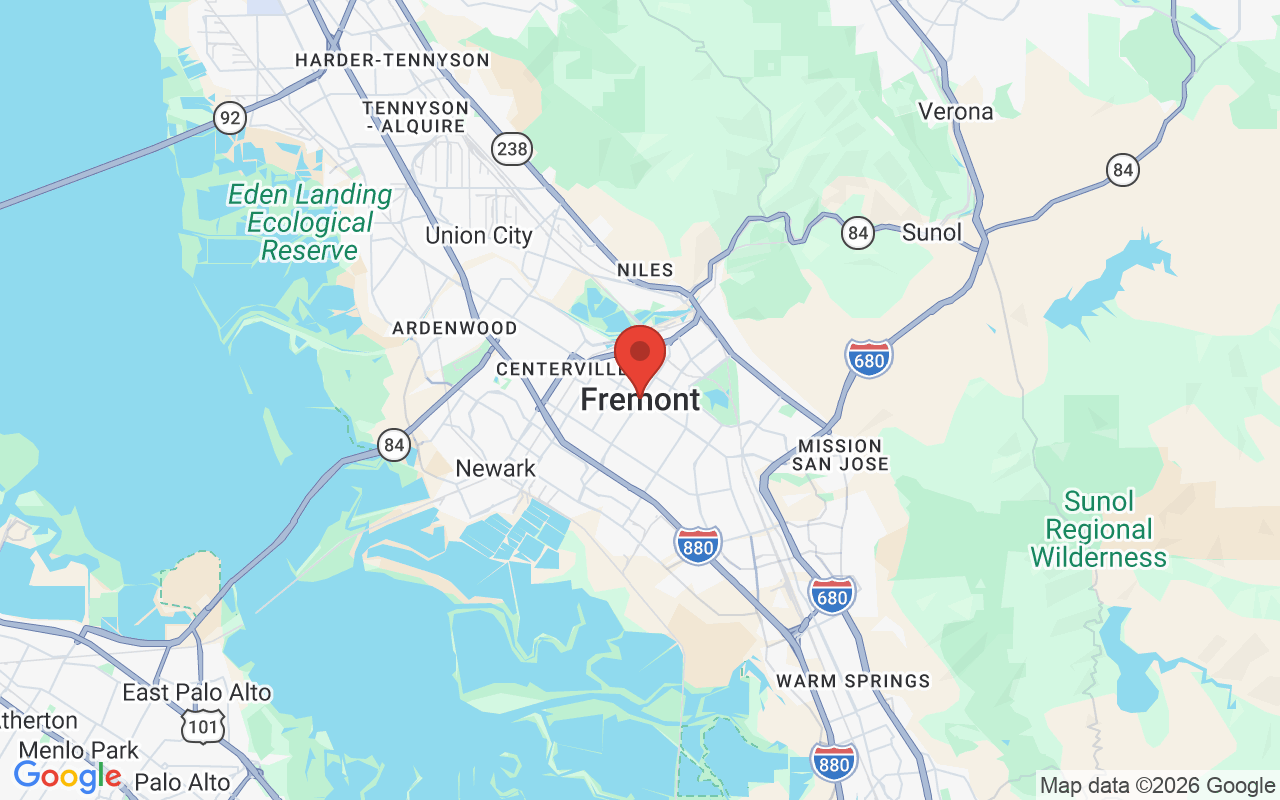
This article provides a 2026 parent guide on the landmark civil rights bench trial between the California Civil Rights Department (CRD) and electric vehicle manufacturer Tesla, Inc. at the Fremont plant in California. It examines core allegations regarding systemic racial bias, wage disparities, and workplace harassment under the California Fair Employment and Housing Act (FEHA), and discusses the practical implications for household budgets, vehicle purchases, and retirement stock portfolios.
(Advertisers wanted)
(Advertisers wanted)
📌 Table of Contents
- 1. Executive Summary: What Every Household Needs to Know About Tesla’s Landmark Bias Trial
- 2. Legal Timeline & Historical Roots: How the Fremont Plant Reached a Breaking Point
- 3. Dissecting the Evidence: Wage Disparities, Working Conditions, and Sworn Testimonies
- 4. Contrasting Defense Strategies: State Civil Rights vs. Federal Caps and Arbitration
- 5. Key Voices and Official Positions: Examining the Primary Record
- 6. Public Perception, ESG Downgrades, and Market Sentiment
- 7. Actionable Family Checklist: EV Buying, Portfolio Shielding, and Career Guidance
- 8. What Lies Ahead: Financial Scenarios, Corporate Monitoring, and Verdict Horizon
Executive Summary: What Every Household Needs to Know About Tesla’s Landmark Bias Trial
As a parent and household breadwinner managing both a family budget and long-term retirement investments, keeping a watchful eye on corporate integrity is just as critical as checking the tire pressure before a cross-country family road trip. On September 21, 2026, one of the most consequential civil rights trials in modern automotive history officially commenced inside the Alameda County Superior Court in Oakland, California. Overseen by Judge Peter Borkon, this landmark bench trial pits the California Civil Rights Department (CRD, formerly the Department of Fair Employment and Housing) against electric vehicle pioneer Tesla, Inc.
The core dispute centers on alleged systemic violations of the California Fair Employment and Housing Act (FEHA) and the state's Equal Pay Act at Tesla’s flagship vehicle manufacturing facility in Fremont, California. While corporate legal battles often fade into background noise, this proceeding carries immediate, practical ramifications for any household owning a Tesla vehicle, prospective buyers planning a family EV purchase, and parents holding broad-market index funds or direct shares in their retirement portfolios. Understanding the factual weight of this case enables families to navigate purchasing decisions, vehicle quality inspections, and portfolio asset allocation with grounded clarity.
 🔍
🔍Breaking Down the Alameda County Superior Court Bench Trial
Unlike standard civil suits presented to a jury of peers, this matter is proceeding as a bench trial—meaning Judge Peter Borkon alone will evaluate thousands of pages of documentary evidence, analyze forensic wage records, hear witness testimonies, and render a binding verdict. The state of California is acting on behalf of the public interest, asserting that Tesla fostered, tolerated, and systematically concealed an environment of pervasive racial hostility while deliberately underpaying its Black workforce. Proceedings are scheduled to run through late October 2026, creating a tight six-week window of intensive forensic examination.
Core Allegations: From Systematic Segregation to Stark Wage Disparities
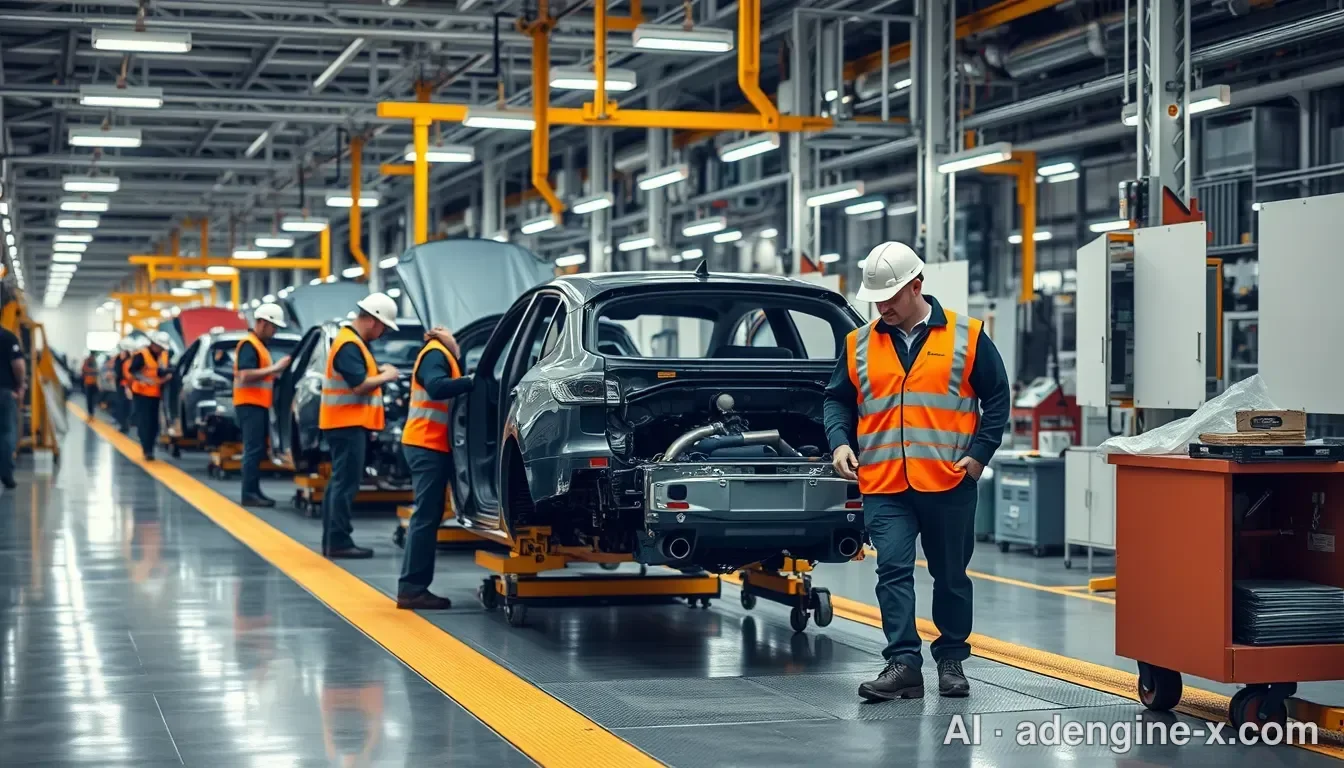
The legal complaint outlines three foundational grievances: severe workplace harassment, deliberate racial segregation into physically hazardous production roles, and systematic pay inequality. State investigators allege that Black production workers at the Fremont plant—estimated between 6,000 and 14,000 current and former assembly line workers—were denied parity in promotion pathways, assigned disproportionately to grueling, injury-prone workstations, and subjected to derogatory slurs without institutional remediation.
Legal Timeline & Historical Roots: How the Fremont Plant Reached a Breaking Point
To evaluate these claims fairly, we must trace the structural history of the facility itself. The Fremont assembly complex spans 5.3 million square feet. Originally built in 1962 by General Motors and later converted into NUMMI (New United Motor Manufacturing, Inc.)—a famed joint venture between GM and Toyota—the plant served for decades as a benchmark for lean, union-backed collaborative automotive manufacturing. In 2010, Tesla acquired the shuttered site, rapidly transforming it into the beating heart of its mass-market EV revolution, assembling the Model S, Model X, Model 3, and Model Y.
The NUMMI Heritage and the Transition to Tesla’s Flagship Hub
Under the NUMMI model, factory floor disputes were governed by structured grievance protocols, independent labor representation, and standardized shop-floor oversight. When Tesla took over, it discarded the traditional union model in favor of an intense, Silicon Valley-inspired startup ethos. The relentless push for vehicle throughput—especially during the grueling "production hell" of the Model 3 ramp-up between 2017 and 2019—created an environment where production targets superseded basic human resources compliance, allowing shop-floor misconduct to metastasize unchecked across assembly lines.
From Marcus Vaughn’s 2017 Stand to Owen Diaz’s Tumultuous Verdicts
The public first glimpsed this operational reality in 2017, when assembly worker Marcus Vaughn filed a landmark civil lawsuit (Vaughn v. Tesla, Inc.), describing the Fremont plant as a "hotbed for racist behavior." Vaughn formally reported racial slurs and hostile treatment to factory HR and escalated the matter directly via written correspondence to Chief Executive Officer Elon Musk. Instead of receiving protective intervention, Vaughn was summarily terminated by management for allegedly "not having a positive attitude."
Parallel to Vaughn’s suit, elevator operator Owen Diaz pursued an individual civil action that delivered a massive legal shockwave. In October 2021, a federal jury awarded Diaz an unprecedented $137 million in damages ($6.9 million in compensatory damages and $130 million in punitive damages). While U.S. District Judge William Orrick reduced the sum to $15 million in April 2022, Diaz opted for a retrial on damages. In April 2023, a second federal jury finalized an award of approximately $3.175 million ($175,000 for emotional distress and $3 million in punitive damages), establishing a permanent judicial record of willful neglect inside the Fremont plant.
The State Intervenes: California Civil Rights Department Takes the Lead
Recognizing that individual and class suits were repeatedly constrained by mandatory arbitration clauses, the California Civil Rights Department launched a rigorous three-year independent investigation. In February 2022, the state filed a comprehensive public-enforcement lawsuit. Because the state agency was never a party to Tesla’s mandatory employee arbitration agreements, it broke through the corporate secrecy barriers that had insulated factory conditions from public trial for over seven years.
Dissecting the Evidence: Wage Disparities, Working Conditions, and Sworn Testimonies
In our households, we teach our children that hard work, fairness, and mutual respect form the foundation of any healthy community. Examining the quantitative data presented by state prosecutors reveals a stark departure from these values across the Fremont factory floor.
The $1,533 Monthly Wage Chasm: Analyzing Six Years of Pay Data
The state’s forensic financial analysis examined payroll and personnel records from June 2018 through June 2024. The econometric findings are reportedly striking:
- Documented Monthly Pay Gap: Black production workers at the Fremont facility reportedly earned an average of $1,533 less per month than their white peers performing identical or substantially similar assembly duties.
- Annualized Disadvantage: This deficit reportedly totals an annual income shortfall of approximately $18,396 per worker, which could impair the ability of working-class families to build generational savings or manage basic household costs.
- Promotion Disparities: Across similar tenure brackets, Black workers were passed over for lead technician and supervisory promotions at rates statistically inconsistent with standard distribution models.
"The Plantation" Culture: Documented Racial Slurs, Swastikas, and Delivery-Line Graffiti
The qualitative record is supported by more than 500 sworn declarations submitted by current and former Fremont workers. Multiple declarations attest that non-Black supervisors and co-workers routinely referred to the production lines as "The Plantation" or "The Slave Ship." Workers reportedly testified under oath that explicit racial slurs were commonplace across 12-hour shifts.
Physical evidence submitted by the state reportedly demonstrated that swastikas, nooses, and derogatory epithets were etched into bathroom stalls, break room benches, and worker lockers. Disturbingly, investigators noted that hate-based graffiti was even documented directly on unfinished vehicle chassis and components moving along final assembly lines before customer dispatch.
Broken Human Resources: The Human Cost of Tesla’s "Hardcore" Production Race
Tesla’s aggressive drive to meet delivery targets reportedly created severe internal bottlenecks. The human resources division reportedly operated under chronic understaffing, lacking independent ombudsmen or structured dispute tracking. Workers who filed formal written grievances reportedly faced systemic delays, lost paperwork, or immediate retaliatory reassignments to the most physically taxing sections of the plant, such as hot plastic molding and hazardous paint shops.
Contrasting Defense Strategies: State Civil Rights vs. Federal Caps and Arbitration
To assess Tesla’s legal exposure and its secondary impact on share value and vehicle pricing, we must contrast California state law with federal litigation standards.
California FEHA vs. Federal EEOC: Why the Absence of Statutory Caps Changes Everything
Under Title VII of the federal Civil Rights Act of 1964, compensatory and punitive damages are capped at $300,000 per claimant for the largest employers, according to the research. This federal cap substantially shields large balance sheets from catastrophic financial liability. By contrast, the California Fair Employment and Housing Act (FEHA) reportedly imposes no statutory caps on compensatory or punitive damages. With thousands of workers reportedly represented in the state’s action, cumulative liability for back pay, interest, emotional harm, and punitive penalties could reach hundreds of millions of dollars if liability is confirmed.
The Class Action Decertification Gambit: A Fractured Legal Battlefront
Tesla’s legal team achieved a procedural victory by contesting the commonality requirements of the private class action, successfully decertifying a single class of roughly 14,000 workers. However, this maneuver backfired strategically. Rather than extinguishing claims, it splintered the dispute into dozens of multi-plaintiff lawsuits involving over 850 individual workers organized across smaller cohorts, compounding ongoing legal expenses and guaranteeing years of public testimony.
Traditional UAW Carmakers vs. Tesla’s Unchecked Startup Factory Model
Traditional domestic automakers like General Motors and Ford operate under collective bargaining agreements with the United Automobile Workers (UAW). While unionized plants are not immune to labor strife, they enforce strict, multi-tiered grievance frameworks, joint civil rights committees, and contractual wage step-scales that preclude arbitrary supervisor pay disparities. Tesla’s non-union, rapid-deployment model centralized complete discretion within line supervisors, removing the structural safety valves standard in legacy American manufacturing.
| Legal Action / Case Entity | Governing Statute & Forum | Statutory Damages Cap | Current Status & Financial Exposure |
|---|---|---|---|
| California CRD State Action | California FEHA / Equal Pay Act (Alameda County Superior Court) | No Statutory Cap | Bench trial underway through late Oct 2026; high systemic exposure. |
| Federal EEOC Lawsuit | Title VII, Civil Rights Act of 1964 (U.S. District Court, N.D. Cal.) | $300,000 per claimant cap | Pending federal docket; focused on systemic harassment injunctions. |
| Owen Diaz Individual Suit | Federal Civil Rights / Section 1981 | Subject to judicial ratio review | Concluded at ~$3.175M total verdict; confirmed judicial liability precedent. |
| Marcus Vaughn & Severed Suits | State Court Multi-Plaintiff Filings (California Superior Court) | No Cap under state law | Decertified into 850+ individual/group claims; rolling trial schedules. |
Key Voices and Official Positions: Examining the Primary Record
Maintaining analytical rigor requires examining direct statements from the primary figures rather than relying on unverified commentary.
Regulators and Advocates: Kevin Kish and J. Bernard Alexander III
"Tesla claims to be built on the promise of creating a more sustainable future, but its employment practices remain rooted in some of the ugliest relics of the past. Black workers are paid less for their work. They are subjected to racist slurs. They face threats of being fired for speaking out. In California, we will not and cannot allow these alleged practices to continue."
— Kevin Kish, Director of the California Civil Rights Department
During the Diaz litigation, trial counsel J. Bernard Alexander III argued that pervasive racial slurs and workplace hostility fundamentally compromised workers' basic sense of safety and dignity, asserting that large corporations cannot be excused from treating employees with basic respect.
Corporate Defenses and Executive Rebuttals: The "Thick Skin" Philosophy
Tesla has vigorously defended its operating integrity. In a formal corporate communication titled "Hotbed of Misinformation," the company stated that it "categorically opposes all forms of discrimination and harassment" and maintains a dedicated Employee Relations team that investigates and promptly discharges offenders. Tesla has repeatedly accused the CRD of governmental overreach, asserting that the agency pursued high-profile litigation without adequate preliminary conciliation.
However, past internal communications from leadership continue to complicate the defense. In a widely cited company-wide email, CEO Elon Musk urged staff to show mutual respect but added that if someone acted inconsiderately without malice, colleagues should accept an apology and develop "thick skin." In 2021, amid mounting regulatory friction in California, Musk formally relocated Tesla’s corporate headquarters to Austin, Texas—a move driven in significant part by desires to escape aggressive state oversight.
Public Perception, ESG Downgrades, and Market Sentiment
For household consumers, the social resonance of a brand directly affects purchasing confidence and long-term asset value.
The Consumer Schism: Boycotts, Loyalty, and Ethical Dilemmas
Family EV buyers generally prioritize vehicle safety, environmental responsibility, and reliable engineering. Revelations of severe workplace abuses have alienated progressive buyers who view ethical manufacturing as an essential part of the sustainability equation. Conversely, dedicated brand loyalists maintain that the legal actions represent politically motivated regulatory overreach aimed at California's most prominent industrial icon.
Institutional Capital: S&P 500 ESG Exclusion and Fiduciary Scrutiny
Institutional investors have already enacted concrete reallocations. S&P Dow Jones Indices previously removed Tesla from the flagship S&P 500 ESG Index, directly citing the Fremont plant’s racial discrimination claims, factory safety track record, and handling of autonomous driving investigations. Major global pension systems and asset managers continue to pressure Tesla’s Board of Directors to abolish mandatory arbitration and publish audited civil rights and pay equity disclosures.
Actionable Family Checklist: EV Buying, Portfolio Shielding, and Career Guidance
As responsible heads of household, our responsibility is to translate legal headlines into practical, protective habits. Here is a concrete, step-by-step checklist tailored for family vehicle owners, retirement savers, and working parents.
Household Electric Vehicle Inspection & VIN Verification Protocol
- [ ] Decode the Vehicle Identification Number (VIN): When ordering a new or certified pre-owned Tesla, locate the 17-digit VIN on the lower driver’s side windshield or registration. The 11th character designates the assembly plant. A letter "F" designates the Fremont, California plant, while "A" indicates the Austin, Texas Gigafactory.
- [ ] Conduct a Rigorous Delivery-Day Exterior Inspection: High worker turnover and factory floor stress correlate directly with build quality inconsistencies. Before signing acceptance documents, bring a digital depth gauge or alignment ruler to inspect panel gaps around door frames, tailgate seams, and front quarter-panels. Document paint overspray, peeling clear coat, or weather-stripping gaps immediately.
- [ ] Factor Depreciation into Resale Estimates: Corporate civil rights liabilities and reputational damage erode secondary-market residual value. If purchasing via a multi-year finance agreement, budget for an additional 3% to 5% depreciation variance across a 36-month ownership cycle compared to legacy EV alternatives.
Family Portfolio & Retirement Asset Rebalancing Strategy

- [ ] Audit Direct and Indirect Exposure: Review 401(k), IRA, and college 529 plans. Tesla often represents a heavy weighting inside broad index funds (such as QQQ and SPY). Ensure single-stock exposure does not exceed 5% to 8% of total household equity holdings to hedge legal headline volatility.
- [ ] Monitor SEC Form 10-Q Contingency Notes: Keep an eye on quarterly filings under "Part II, Item 1: Legal Proceedings." Watch for unexpected litigation reserve accruals or formal escrow deposits that could compress operating margins.
- [ ] Note on Advisory Boundaries: Specific portfolio moves must be calibrated with a certified financial planner; state regulatory filings and audited corporate reports govern all formal determinations.
Career Lessons for the Next Generation: Forced Arbitration & Workplace Rights
- [ ] Review Employment Contracts for Arbitration Waivers: Teach young adult children entering engineering, manufacturing, or corporate roles to identify mandatory arbitration clauses in their offer packages. Clarify that signing away rights to public court trials can restrict future remedies if unlawful workplace practices arise.
- [ ] Teach Thorough Workplace Documentation Protocols: Guide working children on how to maintain contemporaneous written records. If an incident of harassment or retaliation occurs, advise them to log dates, times, direct quotes, witnesses, and follow-up emails sent to personal accounts rather than relying on verbal assurances from human resources.
What Lies Ahead: Financial Scenarios, Corporate Monitoring, and Verdict Horizon
As the bench trial progresses toward its late October conclusion, Alameda County Superior Court will establish legal precedents that resonate far beyond the Fremont factory walls.
Bench Trial Timelines and Structural Remediation Scenarios
Following closing arguments, Judge Borkon is expected to issue a comprehensive statement of decision. Two primary outcomes emerge:
- Substantial Liability and Court Monitoring: If the court confirms systematic pay disparity and tolerated racial harassment, Tesla could face hundreds of millions in back pay and punitive damages. More importantly, the court could impose a mandatory, independent civil rights monitor inside Fremont, fundamentally restructuring shop-floor oversight and management accountability.
- Settlement with Operational Mandates: To prevent a precedent-setting judicial sanction and endless public appeals, Tesla may pursue a negotiated settlement featuring court-enforced diversity audits, external HR oversight, and dedicated restitution funds.
Long-Term Outlook for Fiduciary Governance and Family Consumers
For careful parents managing household balance sheets, the Fremont trial reinforces an enduring principle: high-growth technology and manufacturing innovation cannot outrun baseline human decency. Companies that dismiss sound human resource practices and fair pay ultimately pay a steep price in legal liability, brand equity, and consumer trust. By staying methodically informed, inspecting family vehicles with a sharp eye, and diversifying household investments, families can navigate these shifting corporate landscapes with confidence and security.
ℹ️ This article was drafted with the help of an AI tool and reviewed/edited by a human before publishing. · Original: AdEngine-X
More from this author

奥多摩森林セラピー完全分析|駅から5分の大渓谷とクラフトビールで自律神経を整える週末ごほうびルート【実測データ検証】
🇯🇵 日本語 (일본어) · 마샬팀장 · 2026/9/21

공무원 초과근무 1일 4시간 상한 폐지, 2026년 달라진 인정 기준과 수당 신청 가이드
🇰🇷 한국어 · 생활정보 데스크 · 2026. 9. 20.

Signet Jewelers (SIG) Stock Analysis: $1 Billion Credit Deal & Q2 Profit Turnaround Explained
🇺🇸 English (영어) · Finance Desk · 9/20/2026

Uncle Nearest Bankruptcy Drama: What the Second Chapter 7 Means for Whiskey Lovers in 2026
🇺🇸 English (영어) · News Desk · 9/20/2026
📚 References
This list may include both live search sources the AI referenced while writing and public-data sources checked during fact verification. Please verify the original sources before citing or reusing.
0 Comments
Loading comments...