US Midterm Elections Mistakes Voters Make on Key Deadlines
(Advertisers wanted)
(Advertisers wanted)
📌 Topic & Subject
This article explores the key issues, historical patterns, and administrative pitfalls surrounding the 2026 US midterm elections. It examines how economic pressures like inflation and fuel prices influence voter behavior, details the congressional balance of power, and highlights crucial voter registration deadlines and voting mechanics.
(Advertisers wanted)
(Advertisers wanted)
📌 Table of Contents
- 1. The battle for Capitol Hill at a glance
- 2. Why grocery receipts outweigh political speeches
- 3. The midterm curse and historical patterns
- 4. Voter fatigue and non-traditional news spaces
- 5. Critical deadlines and registration pitfalls to avoid
- 6. Redistricting battles and the October surprise
- 7. What split government means for federal policy
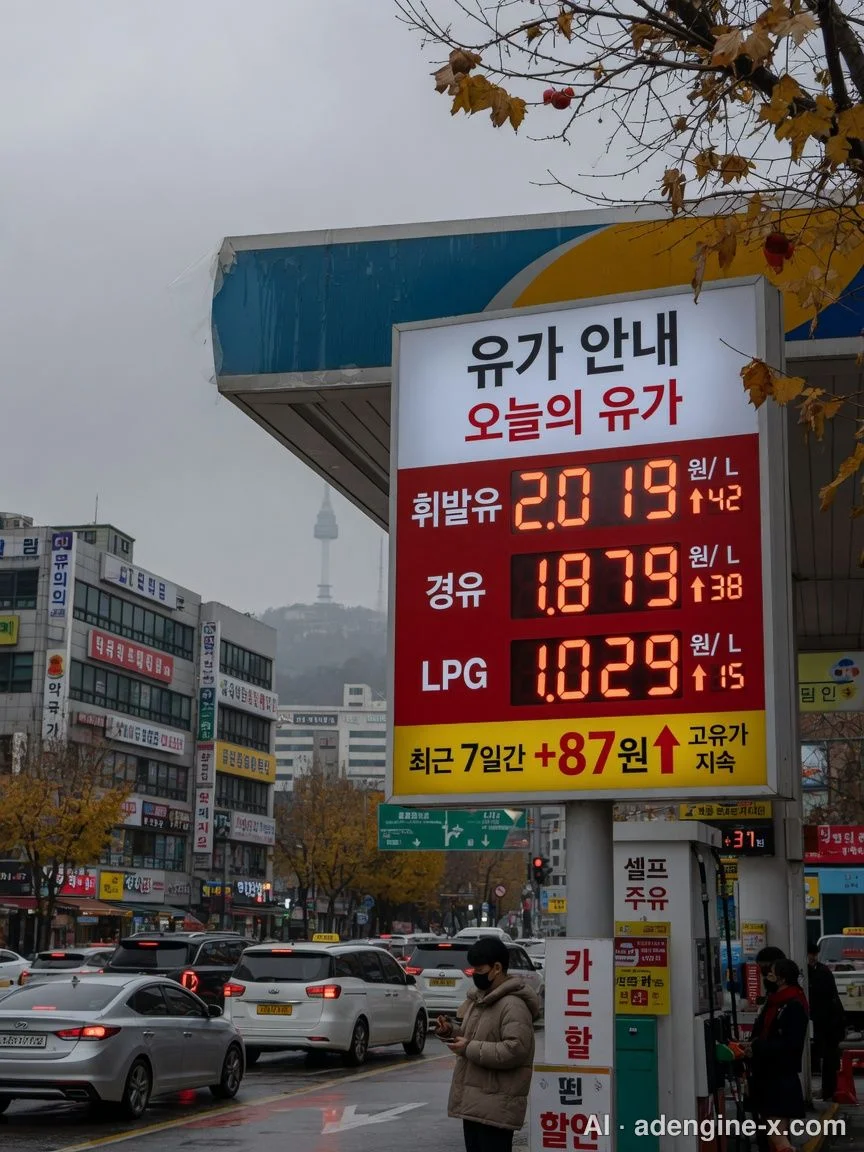
On a brisk Tuesday morning at a shell station in suburban Atlanta, Marcus Vance stood staring at the pump meter as it clicked past seventy dollars. The digital readout flashed $4.465 a gallon for regular unleaded, a sharp leap from the $2.796 he paid earlier in the year. His frustration captures why the 2026 midterm elections on November 3 carry enormous weight for the balance of power in Washington.
Known across the Americas as elecciones intermedias en los estados unidos, these contests occur at the exact midpoint of a president’s four-year term. They serve as a national referendum on the occupant of the Oval Office. When voters head to local polling stations this fall, every single member of the House of Representatives and more than a third of the Senate will face judgment.
 🔍
🔍The stakes could hardly be higher for the second administration of Donald Trump. Republicans currently cling to a razor-thin governing majority in both chambers of Congress. A shift of just a handful of seats will decide whether the administration preserves its legislative agenda or spends the next two years facing subpoena power and gridlock.
The battle for Capitol Hill at a glance
The table below compares the current congressional composition, seats on the ballot, and the required net pickups for both major political parties.
| Chamber | Current seats | Seats on ballot | Majority threshold | Target to flip |
|---|---|---|---|---|
| House of Representatives | 218 Republicans / 214 Democrats | 435 seats (all) | 218 seats | Democrats: net +3 seats |
| Senate | 53 Republicans / 47 Democrats* | 35 seats (Class 2 + specials) | 51 seats (or 50 with VP) | Democrats: net +4 seats |
The single largest difference between the two bodies lies in their structural exposure: while all 435 House seats face voter judgment every two years, only 35 Senate seats are contested in this cycle, making the Senate arithmetic far tougher for challengers.
In the House of Representatives, Republicans maintain 218 seats against 214 for Democrats, excluding temporary vacancies. That gives Democrats a straightforward path to power. They need a net pickup of just three seats to reclaim the Speaker’s gavel and initiate formal committee oversight.
The Senate presents a far stiffer challenge. The upper chamber is divided 53–47 in favor of Republicans. Because of this margin, Democrats need a net gain of four seats to lock down an outright working majority.
Why grocery receipts outweigh political speeches
Economic indicators have emerged as the primary catalyst of voter behavior this fall. According to data from the U.S. Energy Information Administration, regular gasoline rose approximately 59.7% from $2.796 earlier in the year to an average of $4.465 per gallon by late September. Diesel fuel jumped approximately 83.5% to $6.382.
Household budgets face compounding pressures on multiple fronts. Data from the Bureau of Labor Statistics shows that over the past twelve months, residential heating oil surged approximately 52%, ground beef climbed approximately 7.2%, and retail coffee beans gained approximately 6.1%. These numbers strike working families at the kitchen table.
According to a survey conducted by Reuters/Ipsos, 47% of registered voters identified the cost of living as their most pressing concern, up from 39% at the start of the year. Pocketbook realities have overshadowed traditional party loyalty in competitive suburbs across the Sun Belt and Midwest.
Despite wage gains, voters feel the strain far more acutely at the gas pump and in grocery aisles.
This sentiment aligns with market assessments. According to chief investment strategist François Trahan of BMO Capital Markets, inflation and affordability remain the dominant forces shaping these midterms. In historical cycles marked by elevated consumer prices, the governing White House party has conceded an average of 26 House seats.
The midterm curse and historical patterns
Political scientists have long studied the historical tendency known as the midterm curse. Between 1934 and 2018, across twenty-two distinct midterm elections, the president’s party lost an average of 28 seats in the House and four seats in the Senate. Governing brings inevitable policy compromise and voter fatigue.
In 1960, political scientist Angus Campbell formulated the “surge and decline” theory to explain this recurring outcome. Presidential election years attract surge voters who lean casual and follow national headlines. Two years later, turnout drops from roughly 60% down to the 40% range, leaving the electorate dominated by highly motivated ideological partisans.
Since the Great Depression, only three administrations have bucked this historical tide. Franklin D. Roosevelt added seats in 1934 during the New Deal, Bill Clinton gained House seats in 1998 amid backlash to his impeachment, and George W. Bush expanded majorities in 2002 after the September 11 attacks. Every other administration surrendered legislative territory.
The 2022 midterms saw Democrats lose just nine House seats while gaining one Senate seat under Joe Biden. That showing exceeded historical benchmarks. Today, Republicans occupy the defensive posture, facing the twin hurdles of structural midterm penalties and sharp consumer price increases.
Voter fatigue and non-traditional news spaces
On social media platforms like X and Facebook, community discussions reveal widespread weariness with both major parties. Commentators and regular citizens express frustration that Washington remains divided while basic everyday bills mount. This widespread disaffection has reshaped political communication channels.
A recent industry report by ad-tech firm Nexxen revealed that roughly 40% of Americans actively avoid conventional cable and broadcast news broadcasts. Yet among those self-described news avoiders, 86% state they intend to cast a ballot on November 3. Campaigns must adjust their outreach or risk irrelevance.
These voters consume civic discussions passively through TikTok feeds, YouTube creators, and podcasts. Within this group, 41% report that independent social media influencers influence their perspective on policy matters far more than traditional party advertisements.

Artificial intelligence tools are also entering voter decision-making for the first time on a large scale. Research from SaySo indicates that 21% of American adults express willingness to use AI tools to fact-check political claims online, while 17% use them to parse candidate voting records. Simultaneously, concerns mount over deceptive digital media muddying local contests.
Critical deadlines and registration pitfalls to avoid
Navigating the mechanics of midterm voting requires strict attention to individual state administrative codes. While national balloting occurs on November 3, voter registration deadlines in most jurisdictions close several weeks beforehand. A missed cutoff often means forfeiting your voice entirely.
Citizens can verify their current status through the official USAGov Voter Registration Portal or non-partisan resources like Vote.org. Certain jurisdictions, including California, offer conditional same-day voter registration at designated polling centers on election day itself, though lines can stretch for hours.
As of April 2026, 47 states and multiple territories offer early in-person voting options. Rules governing mail-in and absentee ballots vary by county. Voters must verify whether their local board of elections requires physical receipt by poll close or accepts postmarked envelopes mailed on election day.
For American citizens living abroad, the Federal Post Card Application (FPCA) serves as a unified registration and absentee ballot request form. Requirements for government-issued photo identification differ across state lines, making advance preparation essential before visiting the ballot box.
Redistricting battles and the October surprise
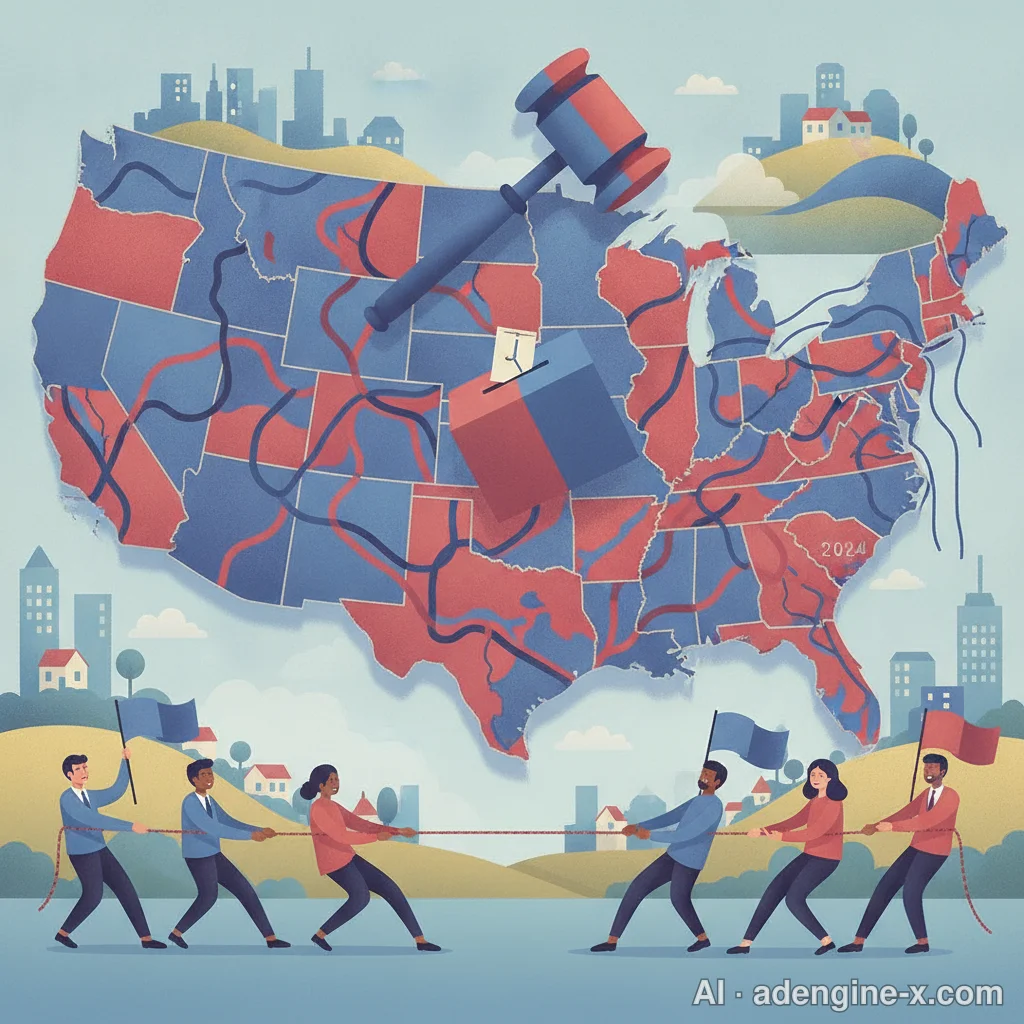
Beyond stump speeches and campaign rallies, structural mechanics quietly tilt the playing field. Following court-ordered adjustments, several states executed mid-decade redistricting maneuvers ahead of this cycle. These map alterations gave Republicans an estimated institutional advantage of up to ten congressional districts before a single vote was cast.
Meanwhile, foreign affairs have triggered unexpected domestic ripples. Heightened geopolitical conflict involving Iran in the Persian Gulf has disrupted tanker traffic along the Strait of Hormuz. That supply disruption accelerated fuel price increases across the Atlantic, handing challengers a potent economic issue in competitive districts.
The Senate map adds another layer of complexity through its staggered six-year term classes. This November features 33 regular Class 2 seats, alongside special elections to fill seats vacated by Marco Rubio and JD Vance upon their appointments to executive leadership. Key swing contests across Michigan, Georgia, and North Carolina will decide control.
Stirring distrust in electoral mechanics damages faith in democratic governance regardless of who wins.
Public polling reflects the volatile climate. A September survey by Quinnipiac University indicated that Democrats were leading Republicans 49% to 38% in a generic congressional ballot. That eleven-point margin underscores the stiff headwind facing incumbents in toss-up suburban districts.
What split government means for federal policy
Forecast models from Sabato’s Crystal Ball and the Cook Political Report indicate Democrats are favored to secure a narrow House majority in the low 220s. The Senate remains an authentic toss-up, as Democrats must defend tough territory to achieve their net gain of four seats.
Financial analysts at Morgan Stanley and UBS anticipate a divided government outcome. If Democrats seize the House while Republicans hold the Senate, sweeping partisan legislation will grind to a halt. Executive branch nominations, tax packages, and regulatory overhauls will face sustained resistance.

A divided Congress significantly reduces legislative volatility, yet introduces real fiscal friction during federal debt ceiling deadlines. In the long run, both parties must adapt to an electorate that relies less on network television ads and more on fragmented digital discussions to choose who leads them.
Bottom line: Check your voter registration status on your state’s election portal today to confirm your polling location and local deadlines well before November 3.
ℹ️ This article was drafted with the help of an AI tool and reviewed/edited by a human before publishing. · Original: AdEngine-X
More from this author



📚 References
This list may include both live search sources the AI referenced while writing and public-data sources checked during fact verification. Please verify the original sources before citing or reusing.
0 Comments
Loading comments...