
OpenAI bugging case 4 critical facts for investors
(Advertisers wanted)
(Advertisers wanted)
📌 Topic & Subject
This article examines the arrest of OpenAI software engineer Abdulrahman Alfozan, who was charged with planting an encrypted listening device in an executive conference room. It details the federal investigation, the suspect's communications with a Saudi royal regarding a sovereign AI initiative, and the critical implications of physical corporate espionage for investors and enterprise security.
(Advertisers wanted)
(Advertisers wanted)
📌 Table of Contents
- 1. Who planted the OpenAI listening device?
- 2. What did federal investigators discover on site?
- 3. Did the suspect contact Saudi officials directly?
- 4. How did internal security catch the engineer?
- 5. How does this compare to past espionage?
- 6. What does this mean for enterprise customers?
- 7. What actions should corporate security teams take?
- 8. Investor Checklist: Navigating Frontier Tech Counterintelligence Risks
Federal agents arrested thirty-five-year-old software engineer Abdulrahman Alfozan on October 9, 2026, after he allegedly planted an encrypted bug inside an executive conference room at OpenAI. Inside an executive conference room in San Francisco on September 28, 2026, Alfozan reached behind a wall-mounted television to seat an unauthorized module into its USB port. The quiet hum of the cooling fan masked the physical intrusion. That single clandestine connection showed how easily modern corporate intelligence borders can shatter from within.
 🔍
Prosecutors reportedly filed charges under Title 18, United States Code, Section 2511 for attempting the interception of oral communications. The charge carries a statutory maximum penalty of five years in prison and a fine of up to $250,000. Court affidavits submitted in the Northern District of California reportedly confirm that Alfozan messaged a Saudi royal via WhatsApp days before his arrest. This breach marks a sharp turning point for artificial intelligence companies facing foreign intelligence interest.
Who planted the OpenAI listening device?
Abdulrahman Alfozan, a senior product engineer hired by OpenAI in July 2025, placed the audio interception hardware. Alfozan entered the United States as an MIT graduate and obtained permanent residency in 2020. Before his corporate hiring in San Francisco, he served as a venture partner at Raed Ventures, a prominent Saudi investment vehicle. Public venture registries show that Prince Khalid Bin Bader Al Saud served as a partner in the firm alongside Alfozan.
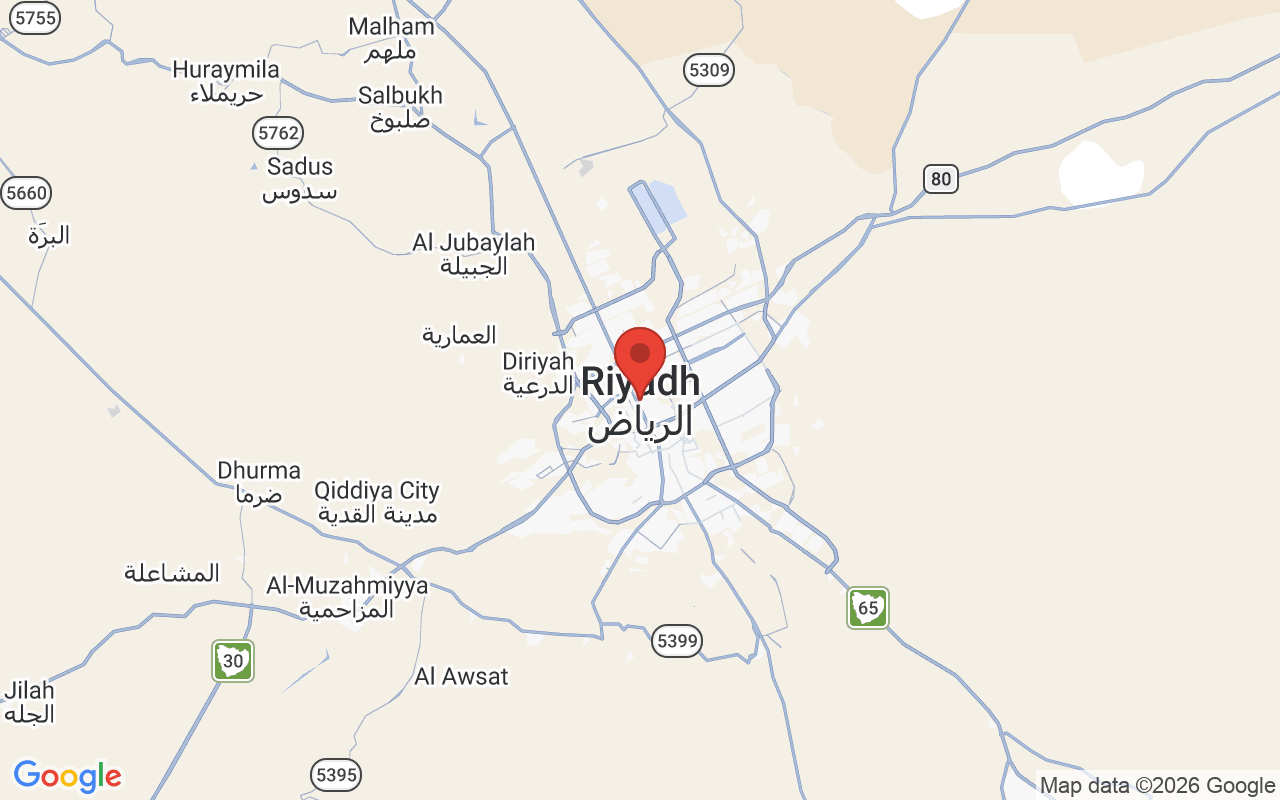
His dual standing linked Silicon Valley technical access to state-backed Gulf capital networks. Court records show that Alfozan used WhatsApp to communicate with the Saudi royal on October 5, 2026. The exchange centered on offers to join a sovereign artificial intelligence initiative in Riyadh. His position gave him physical access to areas where leaders mapped frontier system development.
 🔍
What did federal investigators discover on site?
Investigators reportedly recovered a thumb-sized audio recorder wrapped in toilet paper and plugged into an executive monitor on September 30, 2026. OpenAI personnel spotted the unusual paper bundle protruding from behind the television and recovered the device, discovering advanced hardware attributes. The compact unit contained a high-capacity micro SD card secured with robust Advanced Encryption Standard cryptography.
The device reportedly supported remote Wi-Fi transmissions and voice-activated recording triggers. It sat where leaders debated corporate strategy, safety thresholds, and sovereign partnerships. The table below outlines the timeline and physical components documented by federal prosecutors.
| Date | Incident Milestone | Technical & Forensic Evidence | Legal Exposure |
|---|---|---|---|
| July 2025 | Alfozan joins OpenAI | Hired as product software engineer with standard credentialed access | Employment confidentiality agreements signed |
| Sept 28, 2026 | Physical bug deployed | Thumb-sized recorder plugged into conference room monitor USB slot | 18 U.S.C. § 2511 violation initiated |
| Sept 30, 2026 | Apparatus identified | Hardware wrapped in bathroom tissue; AES-encrypted storage found | Internal corporate forensic investigation opened |
| Oct 5, 2026 | Tamper check & foreign contact | Surveillance logs room entry; encrypted chat with Saudi royal recorded | Subpoenas issued for telecommunication records |
| Oct 9, 2026 | Federal arrest execution | Abandoned bag found on site with driver’s license and identical parts | Detention without bail pending trial; $250,000 fine risk |
| Oct 12, 2026 | Scheduled flight itinerary | Three one-way tickets booked to Riyadh via Istanbul for family | Flight risk cited in federal detention hearing |
Did the suspect contact Saudi officials directly?
Federal filings reveal Alfozan maintained frequent communications with an unidentified member of the Saudi royal family via WhatsApp days prior to apprehension, while United States Attorney Craig Missakian cited national security concerns regarding the defendant's foreign ties. The government argued that the defendant maintained ties that threatened strategic domestic interests. Prosecutors requested denial of bail, citing the non-extradition posture of foreign jurisdictions.
According to an interview with a former Central Intelligence Agency counterintelligence official, venture capital funds with sovereign ties often operate in close coordination with national economic initiatives. Alfozan held an active advisory seat while holding badge credentials inside OpenAI. He discussed national artificial intelligence programs with foreign royalty while holding unauthorized recording equipment. These ties turned a corporate crime into an international intelligence incident.
How did internal security catch the engineer?
Internal security reportedly identified Alfozan through a combination of proprietary query tracking, corporate video surveillance, and physical evidence he left behind. After staff found the microphone, company technicians deployed internal models to review code and anomalous access logs. Surveillance footage from October 5 showed Alfozan returning to the executive room to check the monitor port. The footage captured him inspecting the exact television bracket.
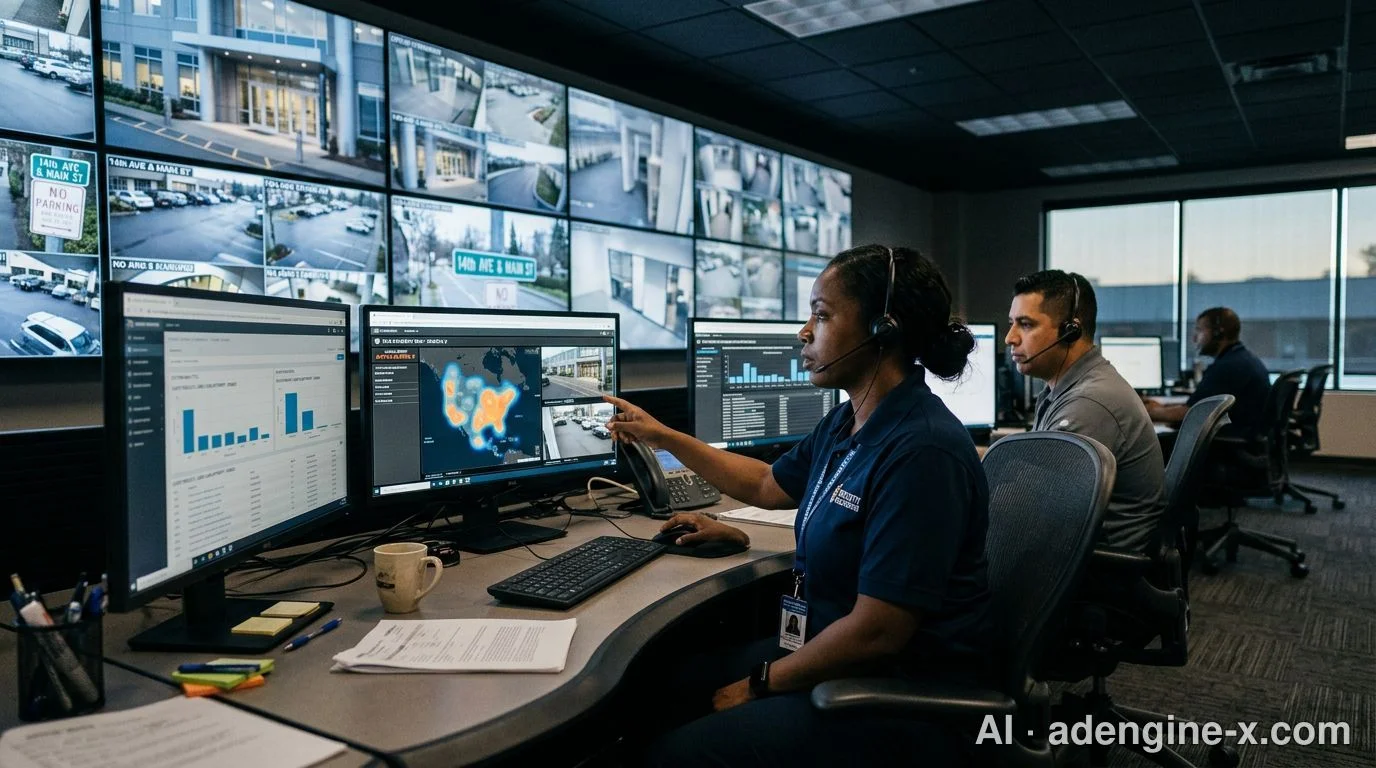
Alfozan also made severe errors in tradecraft. He consulted OpenAI chatbot systems to draft prompts on how to assemble continuous audio monitors and configure memory encryption. Investigators discovered these queries submitted via a chatbot account linked to his spouse that shared identifiers with his own. To compound the breach, he left a personal bag containing identical electrical parts and his official driver’s license on the office premises.
How does this compare to past espionage?
This incident differs from earlier intellectual property thefts because it targeted spoken boardroom dialogues rather than direct source code downloads. In earlier industrial espionage cases, such as Xiaolang Zhang copying Apple autonomous vehicle blueprints, insiders downloaded gigabytes of digital schematics directly. Traditional network data loss prevention systems now monitor bulk repository downloads closely. Alfozan avoided these digital alarms by planting an analog listener in the physical room.
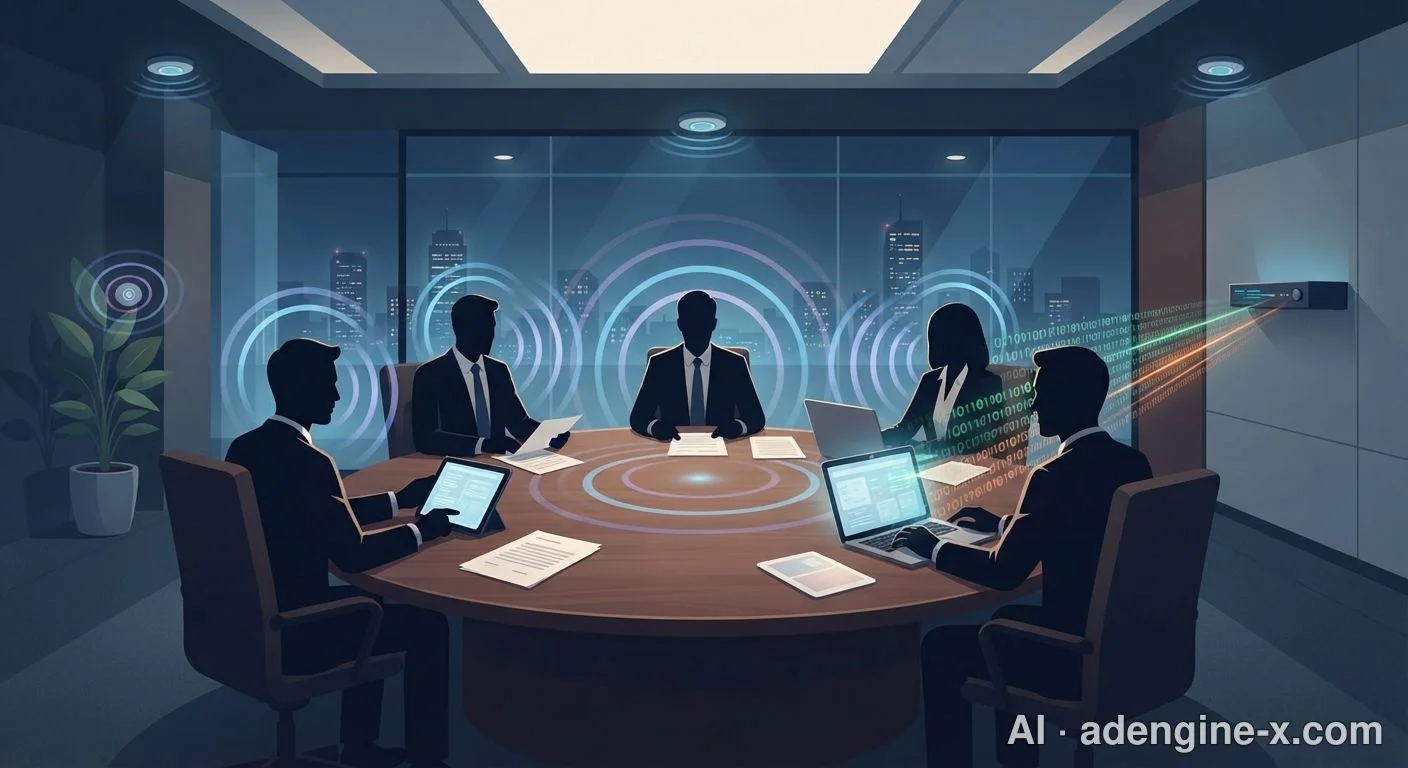
The case also departs from the Twitter infiltration in the late 2010s, where engineers accessed user accounts to monitor dissidents. That historic intrusion focused on surveillance of external political critics. The OpenAI bug targeted foundational architectural roadmaps, federal defense alignments, and non-public model updates. Intellectual capital has shifted toward early strategic planning, making executive speech a high-value target.
What does this mean for enterprise customers?
Enterprise users face rising governance uncertainty regarding proprietary corporate records processed across frontier cloud infrastructure. Multinational enterprises rely on hosted models to analyze confidential balance sheets, clinical research, and proprietary algorithms. When an unauthorized employee places hardware behind board displays, buyers question physical baseline controls. Trust in vendor isolation depends on basic facility security.
OpenAI reportedly issued a statement stating that model weights, core training data, and customer records remained uncompromised. The business dismissed the engineer immediately. Yet institutional investors must evaluate broader operational risks. Silicon Valley development laboratories now sit directly on geopolitical fault lines, requiring enterprise buyers to verify their supplier audit protocols.
What actions should corporate security teams take?
Corporate administrators must treat executive suites as secure compartmentalized facilities to stop unauthorized hardware placement. You should audit meeting spaces twice each week for non-standard USB dongles, parasitic wires, and unverified recording arrays. Physical access to sensitive zones must require dual-factor biometric badges and active room scheduling verification.
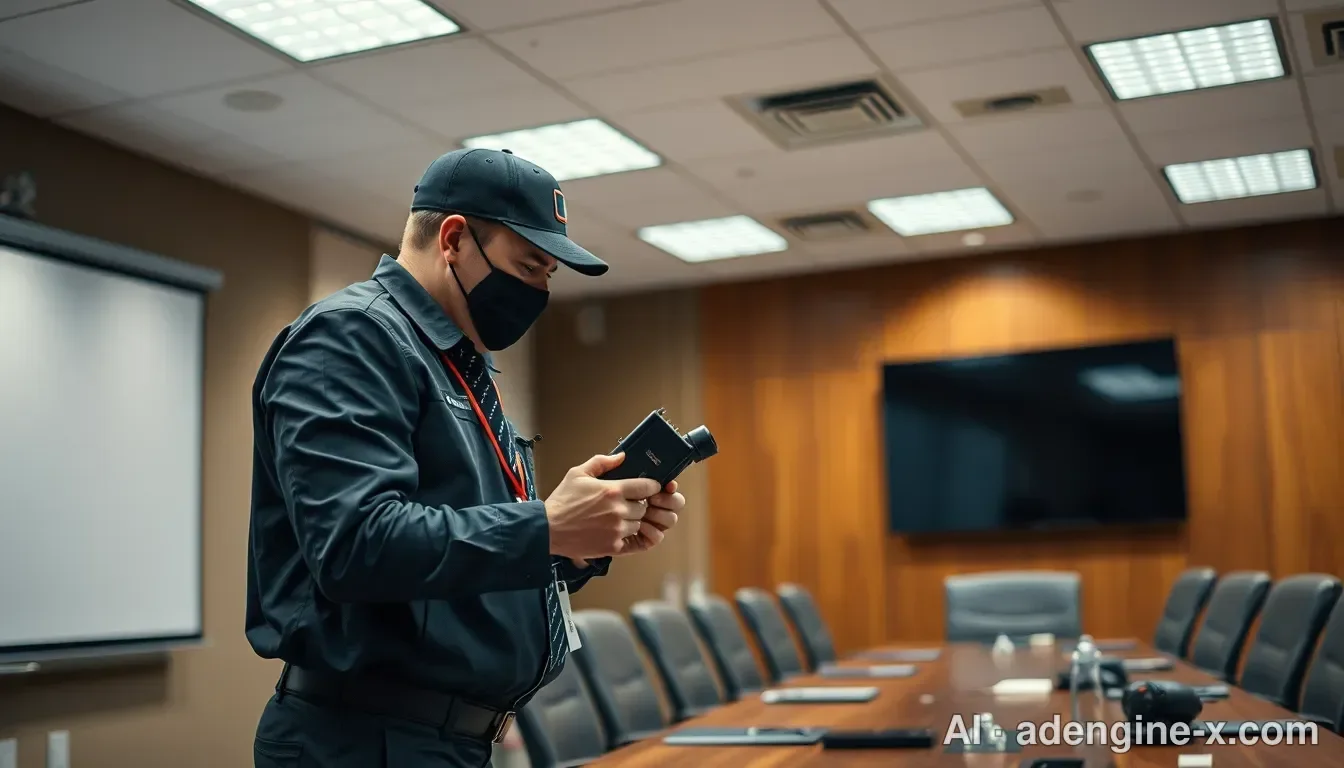
Bottom line: Inspect all conference room hardware connections regularly and consider establishing strict conflict audits for staff holding overseas venture positions.
Investor Checklist: Navigating Frontier Tech Counterintelligence Risks
Institutional backers must treat physical counterintelligence as a core due diligence metric alongside model performance. Review your frontier portfolio companies for rigid facility access controls, mandatory dual-factor executive room vetting, and continuous auditing of staff tied to foreign sovereign funds. As capital and geopolitical power converge around artificial intelligence, securing the physical conference room is now inseparable from protecting enterprise equity.
ℹ️ This article was drafted with the help of an AI tool and reviewed/edited by a human before publishing. · Original: AdEngine-X

Entegris (ENTG) Stock Deep Dive 2026: Why Wafer Starts and Memory CapEx Matter for Family Portfolios
🇺🇸 English (영어) · 마샬팀장 · 9/8/2026
Tesla Racial Bias Trial: 2026 Parent Guide on Cars & Stock
🇺🇸 English (영어) · 마샬팀장 · 9/21/2026

Apple $1,999 Foldable iPhone Duo (2026): A Practical Family Guide to John Ternus’s Big Bet, Household Budgets, and Wall Street Realities
🇺🇸 English (영어) · 마샬팀장 · 9/21/2026

Mortgage Rates Today (September 8, 2026): What the Post-Holiday Dip Means for Homebuyers and Investors
🇺🇸 English (영어) · 마샬팀장 · 9/8/2026
More from this author




🗞️ Source material
- OpenAI bugging suspect WhatsApp'ed Saudi royal days before arrest, feds reveal— Ref: CNBC (headline & link)
This article was independently written and edited by AdEngine-X based on the facts reported in the sources below. No original wording or photos were used.
📚 References
This list may include both live search sources the AI referenced while writing and public-data sources checked during fact verification. Please verify the original sources before citing or reusing.
0 Comments
Loading comments...