Uncle Nearest Bankruptcy Drama: What the Second Chapter 7 Means for Whiskey Lovers in 2026
(Advertisers wanted)
(Advertisers wanted)
📌 Topic & Subject
This article examines the corporate collapse and financial implosion of the American whiskey brand Uncle Nearest and its affiliated entities, including the landmark Nearest Green Distillery and the Guinness World Record-holding Humble Baron bar. It details the mounting millions in debts, federal receiverships, forensic audits, and a Chapter 7 liquidation ruling issued in 2026.
(Advertisers wanted)
(Advertisers wanted)
📌 Table of Contents
- 1. The Story Behind the Headlines: How the Legend of Uncle Nearest Built a $1 Billion Illusion
- 2. The Cracks in the Cask: Inside the $164 Million Financial Implosion
- 3. The Second Chapter 7 Blow: Why Humble Baron’s Liquidation Matters
- 4. Châteaux, Mansions, and Missing Records: The Behind-the-Scenes Gossip
- 5. What This Means for Whiskey Lovers, Collectors, and Investors Right Now
- 6. Your Step-by-Step Action Plan: Touring Shelbyville or Holding Stock in 2026
1. The Story Behind the Headlines: How the Legend of Uncle Nearest Built a $1 Billion Illusion
Grab a glass and sit down, because the craziest corporate soap opera in the spirits world just hit rock bottom. If you follow whiskey at all, you've probably heard about the jaw-dropping reporting broke by Yahoo Finance and Daniel Kline over at TheStreet: "Whiskey brand tied to Jack Daniel's faces a second Chapter 7." And let me tell you, when you peel back the layers of PR gloss and glossy magazine covers, what is happening behind the scenes at Uncle Nearest and its affiliated entities is wilder than any fiction HBO could write.
For years, this brand was heralded as the undisputed darling of the American craft spirits boom. It was celebrated across major media as the fastest-growing independent whiskey brand in American history, an inspiring symbol of Black entrepreneurship, and a long-overdue historical reckoning. But as of mid-2026, the entire empire is teetering on absolute liquidation, entangled in federal receivership, forensic audits, criminal subpoenas, and a pair of brutal federal court rulings that sent shockwaves from Wall Street to Lynchburg, Tennessee.
Nathan "Nearest" Green and the Lost History of Jack Daniel's
To understand why this hits so hard, you have to rewind to the 1850s. Back then, Jasper Newton "Jack" Daniel was an orphaned teen working on a farm in Dan Call's country store outside Lynchburg, Tennessee. The man who actually ran the still and taught young Jack the delicate art of sour mash fermentation—and specifically the Lincoln County Process of sugar maple charcoal filtration—was an enslaved master distiller named Nathan "Nearest" Green. When slavery ended, Jack hired Nearest as his first official master distiller at the newly registered Jack Daniel Distillery.
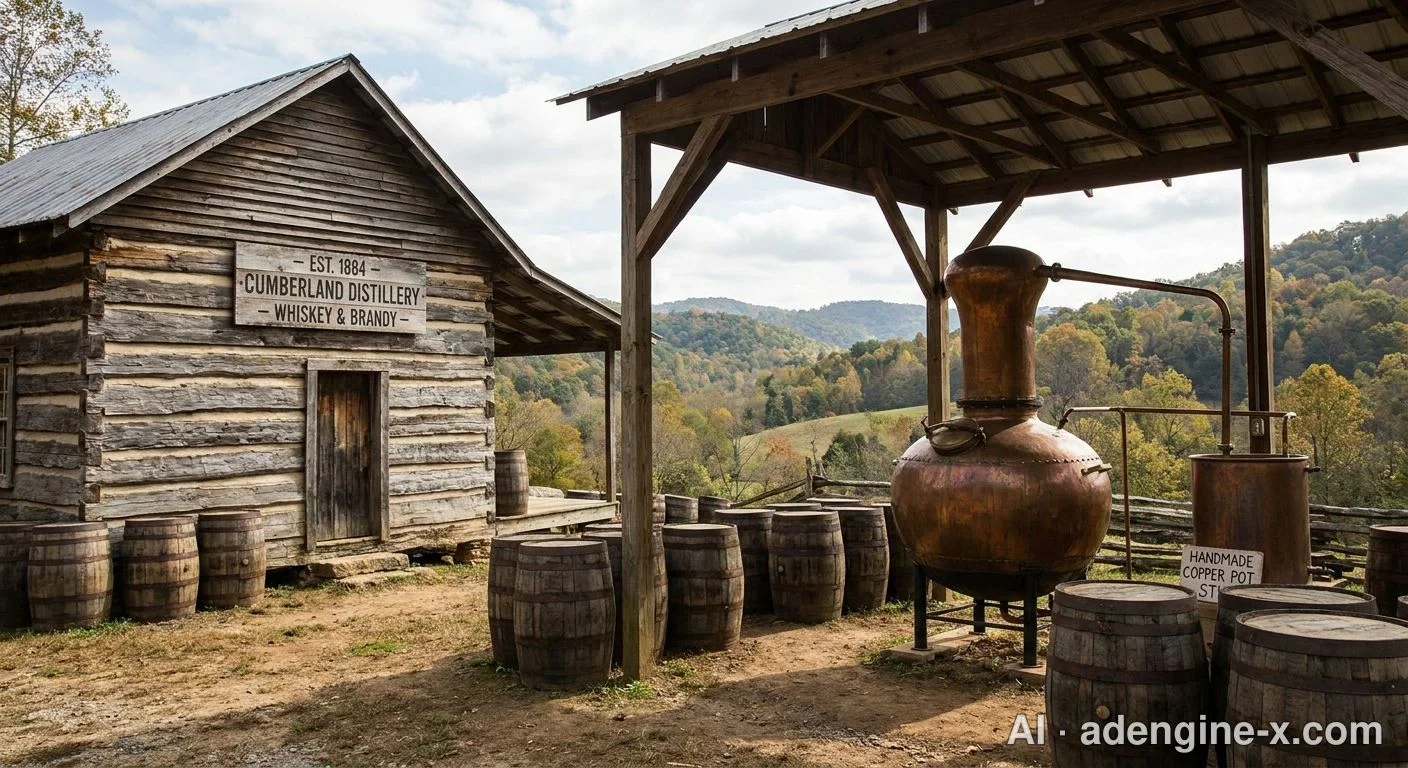
For more than a century and a half, Nearest Green's foundational contribution was basically erased from the public consciousness, reduced to quiet local folklore. That finally began to shift around 2016, when Jack Daniel's parent company, Brown-Forman, publicly acknowledged Green's mentorship of Jack Daniel. Enter Fawn Weaver, an author and businesswoman who traveled down to Tennessee, dug deep into local land records and family archives, and decided to immortalize Nearest's legacy. In 2017, she launched Uncle Nearest Premium Whiskey with a stirring mission: tell the true story, honor Green's descendants, and build a world-class spirits house.
The Meteoric Rise: From Bestselling Pitch to Shelbyville Mega-Distillery
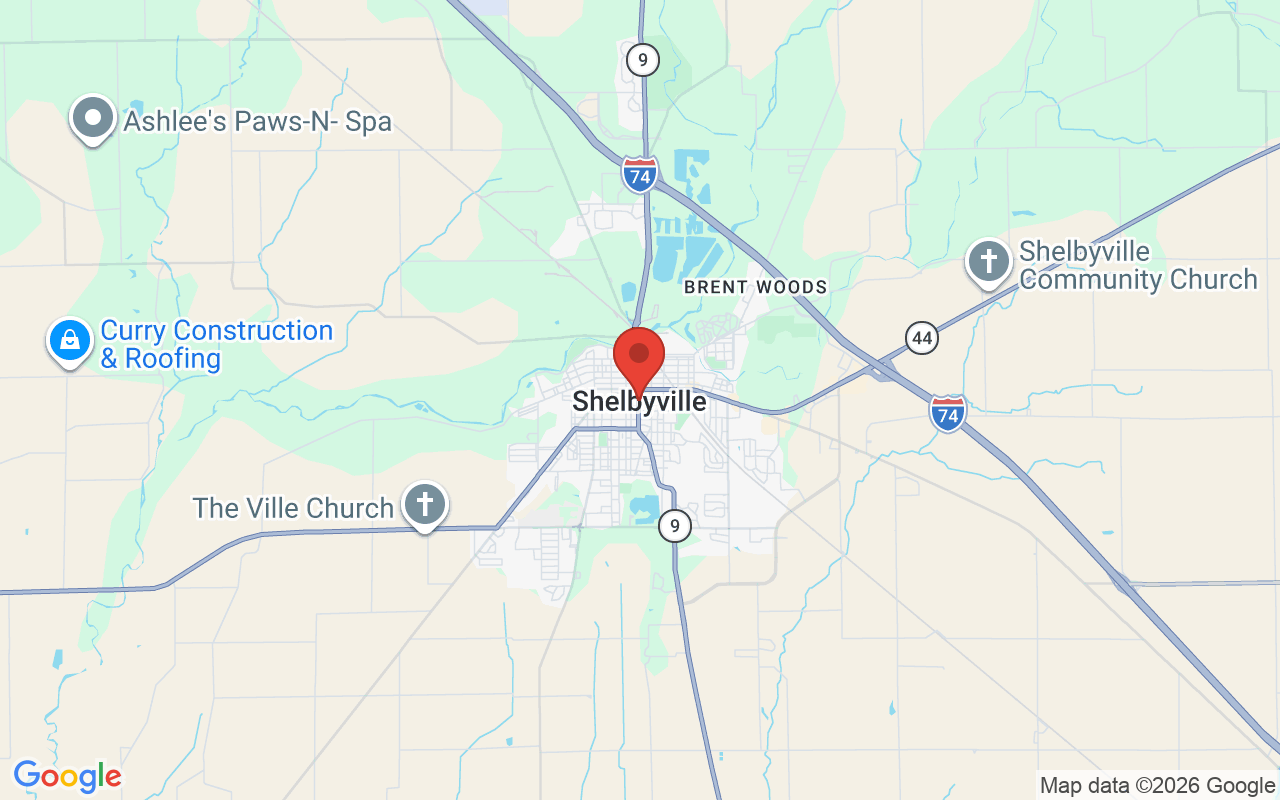
At first, the project seemed touched by pure magic. Weaver was charismatic, relentless, and brilliant at storytelling. In 2019, the brand opened the Nearest Green Distillery on an sprawling estate spanning between 313 and 432 acres in Shelbyville, Tennessee—just a short drive up the road from Lynchburg. By 2020, Uncle Nearest and Brown-Forman teamed up to launch the "Nearest & Jack Advancement Initiative" to train minority distillers and increase diversity in the spirits industry.
 🔍
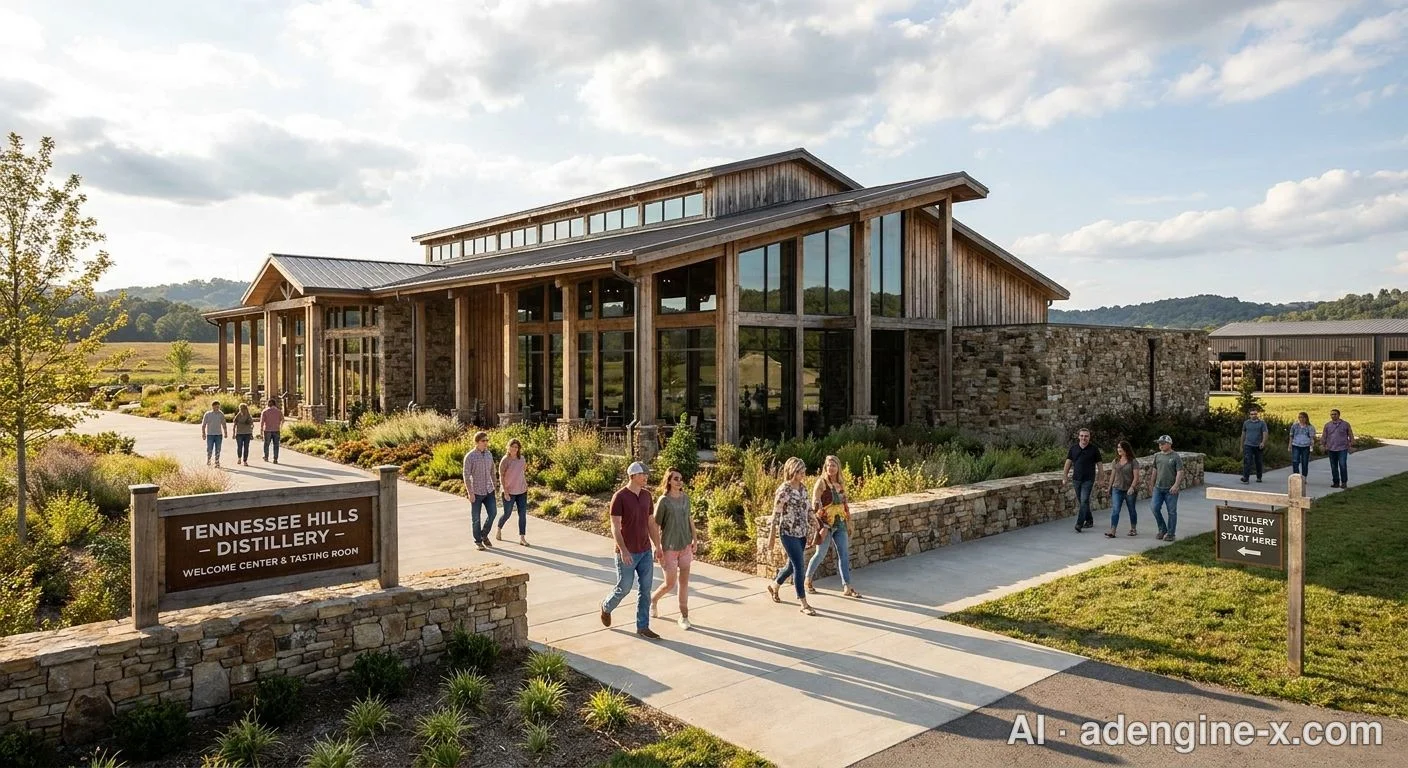
🔍Tourists poured in. In fact, Nearest Green Distillery quickly exploded into the seventh most visited distillery in the entire world, drawing upwards of 200,000 visitors annually. Weaver regularly announced staggering numbers to the press: an alleged $100 million in annual revenue and an eye-watering $1.1 billion "unicorn" corporate valuation. But as court filings are now revealing, beneath that multimillion-dollar marketing blitz, the financial engine was sputtering on fumes and massive leverage.
2. The Cracks in the Cask: Inside the $164 Million Financial Implosion
The party came to a screeching halt in the summer of 2025. That was when the primary agricultural lender, Farm Credit Mid-America, had finally seen enough missed deadlines and filed a massive lawsuit seeking repayment on direct loans and lines of credit totaling an astounding $102.5 million to $108 million. When the books were finally pried open under federal scrutiny, the total liabilities swallowed the room, rocketing past $164 million.
Bleeding $1 Million a Month: The Shocking Forensic Numbers
When you look at the forensic balance sheet laid out in federal court, your jaw hits the floor. The company wasn't printing cash—it was hemorrhaging it like an open artery. Here is a breakdown of how the catastrophic debt was distributed across the operation:
- Farm Credit Mid-America Principal Debt: $102.5 million to $108 million in secured agricultural credit.
- WhistlePig Whiskey Unpaid Notes: A staggering $4.1 million owed to the Vermont rye maker for aged barrel stock.
- Advanced Spirits Barrel Repurchase Debt: More than $10 million in high-cost structured barrel-financing agreements.
- General Trade & Vendor Payables: Roughly $22 million in unpaid bills scattered across suppliers, bottle manufacturers, and local service providers.
- Operational Cash Burn: Federal filings revealed the company was incinerating roughly $1 million in net cash every single month through August 2025.
- Payroll Panic: The operation could not even cover its biweekly payroll of approximately $450,000 from its own operating accounts, resorting to high-interest emergency borrowing via an outside payroll processing outfit just to keep workers from walking out.
And remember that celebrated $1.1 billion valuation and $71 million in claimed 2024 revenue? The independent receiver's forensic accounting revealed that actual 2024 sales hovered around $41 million—nearly half of what had been claimed. The real market value of the entire enterprise has collapsed from ten figures down to around $100 million or less.
Receiver Takes the Wheel: Farm Credit Mid-America Steps In
Seeing an imminent train wreck, a federal court took the extraordinary step of stripping corporate control away from the founders and appointing an independent federal receiver, Phillip G. Young Jr., to take total operational command. In corporate law, receivership is the nuclear option. As bankruptcy attorney John Mark Jennings of Shulman Hodges & Bastian LLP previously pointed out, a court-ordered receivership is an extreme remedy deployed when management is running a business in a manner that inflicts catastrophic harm on creditors and equity holders.

Young went straight to work locking down accounts, securing whiskey stocks, and untangling a dizzying web of affiliate shell corporations. Fawn Weaver took to social media to fight back, loudly slamming Farm Credit Mid-America for what she termed a "calculated smear campaign" designed to steal the company, insisting the true enterprise value sat at $529 million. But the court documents told a vastly colder, grimmer financial reality.
3. The Second Chapter 7 Blow: Why Humble Baron’s Liquidation Matters
If the receivership at the distillery level was an earthquake, the second blow hit like a localized tsunami on September 14, 2026. That was the day U.S. Bankruptcy Judge Nicholas W. Whittenburg of the Eastern District of Tennessee dropped the hammer on Humble Baron Inc., the massive restaurant, bar, and live music venue situated directly on the distillery grounds.
The World’s Longest Bar Meets Judge Whittenburg's Gavel
Humble Baron wasn't just any roadside saloon. It was Keith Weaver's personal passion project, boasting a show-stopping bar counter measuring an unbelievable 518 feet and 11 inches long—officially certified by Guinness World Records as the longest bar in the world. It was designed to be the crown jewel of the guest experience, serving signature cocktails and upscale Southern soul food while national touring acts played on its indoor and outdoor stages.

Instead, Humble Baron accumulated over $6.1 million in unsecured debts and ran up unpaid taxes that prompted the Internal Revenue Service (IRS) to slap the venue with a crushing $1.1 million tax lien. Humble Baron initially filed for Chapter 11 bankruptcy protection, which theoretically allows a debtor to reorganize its finances and keep its doors open. But after an intense two-hour evidentiary hearing, Judge Whittenburg ruled that clear "cause" existed under the Bankruptcy Code to terminate the reorganization and forcibly convert Humble Baron into a Chapter 7 liquidation.
During the hearing, Judge Whittenburg found that cause existed under federal bankruptcy law to convert the case to Chapter 7, concluding that the estate and its creditors required independent trustee oversight.
Midnight Gear Hauls and Unauthorized Cash: The Receipts That Broke the Case
Why did the judge show zero patience for a Chapter 11 workout? Because what had been happening behind the scenes inside Humble Baron left the court completely stunned. When you file for Chapter 11 bankruptcy, the rules are ironclad: every dollar spent must be pre-approved by the court, and debtor-in-possession bank accounts must be strictly monitored. You cannot treat company cash like an ATM.
Yet court records established that Keith Weaver’s operation carried out unauthorized transfers totaling $66,350.66 after filing. When the judge issued a direct order commanding them to return that money by August 1 and supply verifying receipts by August 3, the directive was flatly ignored. Further forensic digging uncovered additional unapproved payments of $40,000 and $34,584 sent straight to Keith Weaver personally. To top it off, witnesses reported that tens of thousands of dollars worth of commercial audio and visual production equipment were dismantled and quietly hauled out of the venue in the middle of the night.
That blatant defiance sealed Humble Baron's fate. As restructuring specialist David J. Kozlowski of New York law firm Morrison Cohen explained to Inc. Magazine, shifting Humble Baron into Chapter 7 was an enormous windfall for Phillip Young, the Uncle Nearest receiver. Now you have two independent court-appointed fiduciaries sitting across from each other, armed with federal clawback powers, demanding to know where every dime went and suing to pull those assets back into the estate.
4. Châteaux, Mansions, and Missing Records: The Behind-the-Scenes Gossip
Here is where the story shifts from mundane accounting mismanagement into sheer, unfiltered scandal. People in the whiskey world kept asking the same simple question: if Uncle Nearest was burning through a million bucks a month and couldn't pay its suppliers, where was the money actually flowing?
Martha’s Vineyard Estates and French Vineyards on Borrowed Dime
While local Tennessee grain suppliers and craft packaging vendors were holding bounced checks, the executive lifestyle looked straight out of an episode of Succession. The founders poured enormous personal and corporate capital into acquiring luxury residential real estate on the ultra-exclusive enclave of Martha's Vineyard in Massachusetts. Even more astonishing, Uncle Nearest funds were funneled overseas to purchase a historic wine estate and château in the legendary Cognac region of France under the guise of corporate expansion.
The moment receiver Phillip Young assumed control of the parent company's assets, one of his immediate public actions was putting the French château, vineyards, and high-end residential holdings up for distress sale to recoup liquid cash for the line of furious creditors.

The Mystery of the Wiped Hard Drives and Unpaid IRS Taxes
If purchasing French estates while failing to pay local distillers seems egregious, the operational records issue is what brought federal law enforcement sniffing around. When court-appointed digital forensics teams entered the Shelbyville facilities to mirror server drives and examine historical bookkeeping records, they found that critical corporate financial data dated prior to 2024 had mysteriously vanished—wiped clean from internal software platforms.
Add in the revelation that the company had systematically failed to maintain current tax payments stretching back as far as 2018, and the situation evolved into an existential crisis. The U.S. Attorney's Office and the Securities and Exchange Commission (SEC) have since issued formal subpoenas, launching sweeping probes into whether potential wire fraud, payroll misappropriation, or investor misrepresentation occurred during the company's hyper-growth era.
5. What This Means for Whiskey Lovers, Collectors, and Investors Right Now
This drama isn't just happening inside musty federal courtrooms; it directly impacts anyone who loves whiskey, owns a bottle of Uncle Nearest, or tracks the beverage market. Let's compare where the brand stood during its glory days versus the harsh reality facing stakeholders today:
| Core Factor | The Hype Era (2019–2023) | The Current Reality (2026) |
|---|---|---|
| Reported Valuation | $1.1 Billion ("Unicorn" status) | Downturned to roughly $100M or fire-sale liquidation value |
| True Annual Revenue | Claimed run-rate exceeding $70M to $100M | Forensic accounting verified only ~$41M for 2024 |
| Executive Leadership | Founders Fawn & Keith Weaver in full control | Stripped of all control; run by court-appointed fiduciaries |
| Humble Baron Venue | Bustling Guinness Record venue; live concerts | Forced Chapter 7 liquidation; assets tagged for auction |
| Whiskey Sourcing | Marketed around heritage & custom blending | Massive unpaid vendor bills (e.g., $4.1M owed to WhistlePig) |
Is Your Uncle Nearest Bottle About to Become a Rare Collectible?
If you're holding unopened bottles of Uncle Nearest 1856 Premium Aged, the 1884 Small Batch, or one of their Master Blend Edition single barrels, you might wonder if you are sitting on liquid gold. On forums like Reddit's r/bourbon, opinions are split down the middle.
The consensus among serious whiskey collectors is that standard retail bottles will not suddenly command four-figure prices. Much of Uncle Nearest's early liquid was contract-distilled and sourced from third-party producers before being blended by master blender Victoria Eady Butler. However, early batch releases from 2017 to 2019, alongside distillery-only commemorative bottlings, will certainly hold niche curiosity value as historical artifacts documenting the rise and fall of one of the wildest boom-and-bust cycles in modern distilling history.
The Fall of the Craft Bourbon Bubble: Industry Shockwaves
This collapse doesn't exist in a vacuum. The broader American craft spirits sector is undergoing a brutal, long-overdue market correction. Between 2024 and 2026, rising grain costs, soaring glass prices, and cooling consumer spending hit independent producers hard. Brands like Westward Whiskey, Boston Harbor, and Devil's River were forced into Chapter 11 restructurings, while iconic craft pioneer Rogue Ales & Spirits saw parts of its operations forced into liquidation.
Uncle Nearest, however, failed for reasons far more internal than macroeconomic. While broader spirit consumption dipped by 3.2% across the country, Uncle Nearest's downfall stemmed from extreme leverage, opacity, and over-expansion. Private equity firms and banks are now performing ruthless, microscopic audits on craft spirits balance sheets before loaning another dime.
6. Your Step-by-Step Action Plan: Touring Shelbyville or Holding Stock in 2026
Whether you're an avid spirits tourist planning a trek down Tennessee's whiskey trail or someone watching from an investment standpoint, here is how you should handle the fallout right now.
Visiting Nearest Green Distillery: What’s Open, What’s Shut, and Call-Ahead Rules
If you have a road trip scheduled to Middle Tennessee, don't just punch 3125 U.S. 231, Shelbyville, TN 37160 into your GPS and assume everything is running like normal. Follow these steps before you roll out:
- Step 1: Check Humble Baron Dining & Live Shows: Because Humble Baron is in Chapter 7, its operations and assets are undergoing physical inventory and trustee oversight. Do not rely on third-party event calendars. Call the distillery switchboard directly at (931) 773-3070 to verify if any food or bar services are functional on the day of your visit.
- Step 2: Reserve Main Distillery Tours Online: The main distillery grounds and tasting tours operate separately under receiver oversight. Standard tastings ($25 to $45) for flagship Uncle Nearest 1856 ($59 retail) and 1884 Small Batch ($49 retail) have remained open on modified schedules: Monday through Wednesday 10 AM to 2 PM, Thursday through Saturday 9 AM to 5 PM, and Sunday 11 AM to 4 PM.
- Step 3: Anticipate Off-Limits Zones: Ongoing lease disputes, equipment inventory tags, and legal proceedings mean certain hospitality pavilions and production warehouses may be barricaded from public walking tours without advance warning.
- Step 4: Keep Lynchburg as Your Backup Anchor: Jack Daniel Distillery is located only about 16 miles south in Lynchburg. If Shelbyville tour slots are curtailed or canceled by court orders, Lynchburg remains fully operational.
Creditors, Investors, and Shoppers: The Immediate Checklist
If you have direct business ties or financial interest in this brand, here is what you need to track over the coming months:
- Monitor the Stalking-Horse Auction: Receiver Phillip G. Young Jr. has already signed a non-binding Letter of Intent (LOI) to sell the Uncle Nearest brand name, aging barrel inventory, and Shelbyville distillery campus to a third-party buyer. Expect a distressed asset auction that will fundamentally rebrand the enterprise.
- Track the Clawback Litigation: The Chapter 7 trustee for Humble Baron will actively file adversary complaints against Keith Weaver, Fawn Weaver, and associated entities to recapture unapproved funds and liquidated production gear. If you are an unsecured creditor, make sure your Proof of Claim is filed with the Eastern District of Tennessee Bankruptcy Court clerk before the bar date expires.
- Watch the October 2027 Trial Date: The core federal civil litigation brought by Farm Credit Mid-America is officially calendared for trial in October 2027. That marathon legal showdown will determine whether the founders face personal deficiency judgments or if broader civil fraud claims hold up under full judicial scrutiny.
At the end of the day, the tragic irony of this entire saga is that Nathan "Nearest" Green's historical genius deserved a legacy built on rock-solid integrity, honesty, and generational permanence. Instead, the modern company bearing his name was driven into a ditch by over-hyped financial engineering, midnight cash moves, and reckless corporate vanity. The history of Nearest Green will survive this mess—even if the multimillion-dollar corporate house built around his name collapses completely into dust.
ℹ️ This article was drafted with the help of an AI tool and reviewed/edited by a human before publishing. · Original: AdEngine-X
📚 References
This list may include both live search sources the AI referenced while writing and public-data sources checked during fact verification. Please verify the original sources before citing or reusing.
0 Comments
Loading comments...