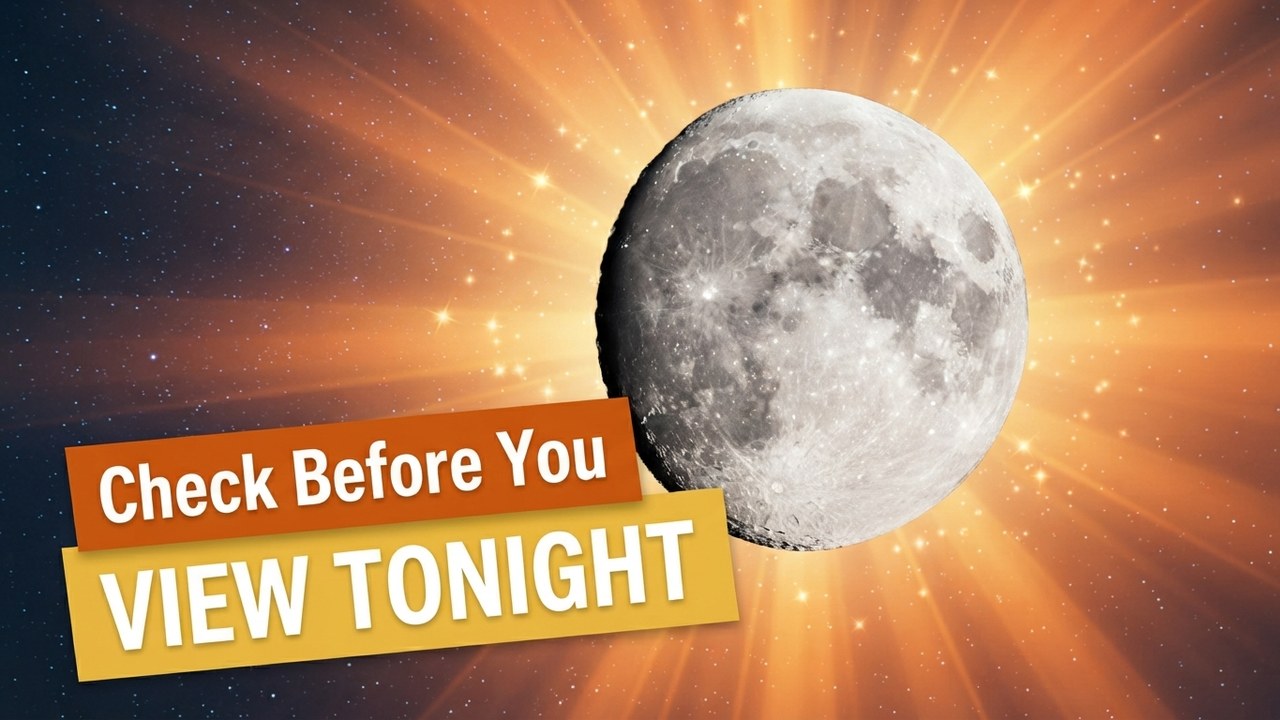
Moon tonight what to check before you look outside
📌 Topic & Subject
This article discusses what to observe and how to prepare when viewing the 99% illuminated waning gibbous Moon on November 25, 2026. It covers equipment choices ranging from unaided eyes to small telescopes and smartphone cameras, timing and local sky charts, and the visual effects of near-full lighting.
📌 Table of Contents
- 1. What can you see tonight?
- 2. Is tonight a full Moon?
- 3. When and where to look
- 4. Why it may look orange or huge
- 5. How to photograph the bright disk
The Moon tonight, November 26, 2026, is a waning gibbous, with about 95% of its visible disk illuminated. It’s two days past full, so you’ll still see a nearly round Moon rather than an obvious missing section.

For comparison, NASA’s Daily Moon Guide rounded the illuminated fraction for November 25 to 99%, so the lit portion is shrinking night by night. Your exact moonrise, moonset, and viewing direction depend on your location, so a local sky chart matters more than a universal viewing time.
What can you see tonight?
Choose your equipment based on the detail you want to see, its practical limitations, and how you’ll use it.
Viewing method | Best target | Main limitation | Practical approach |
|---|---|---|---|
Unaided eyes | The Moon’s overall shape and dark lunar plains | Fine crater detail remains unresolved | Look for the broad dark patches called maria |
7–10× binoculars | Larger craters and the light-shadow boundary | Hand movement makes details harder to hold | Keep the view steady while examining the edge |
Small telescope | Crater interiors, central peaks, valleys, and faults | Near-full lighting reduces relief across much of the disk | Concentrate on features near the shadow boundary |
Smartphone camera | A photograph with visible surface markings | Automatic exposure can wash out the bright disk | Disable automatic night mode and reduce exposure |
The biggest difference is between seeing the Moon’s broad markings and resolving its terrain. Binoculars reveal more crater structure than your eyes alone. A telescope can show finer features, but lighting still determines how clearly their relief stands out.
Is tonight a full Moon?
Not anymore. Time and Date places the full Moon at November 24, 2026, at 14:53 UTC. That was November’s Beaver Moon, described as a supermoon. Since then, the illuminated fraction has been decreasing, which is what “waning” means.
TheSkyLive lists November 25’s illumination at 98.9%, consistent with NASA’s rounded 99%, and November 26’s at 95.1%, with a lunar age of 16.86 days. Lunar age measures time since the new Moon, not time since the full Moon.
At full Moon, sunlight falls nearly straight onto the surface facing Earth, suppressing visible shadows. Tonight’s narrow terminator, the boundary between lunar day and night, offers more relief. Don’t expect dramatic shadows across the whole disk while it remains this nearly full.
When and where to look
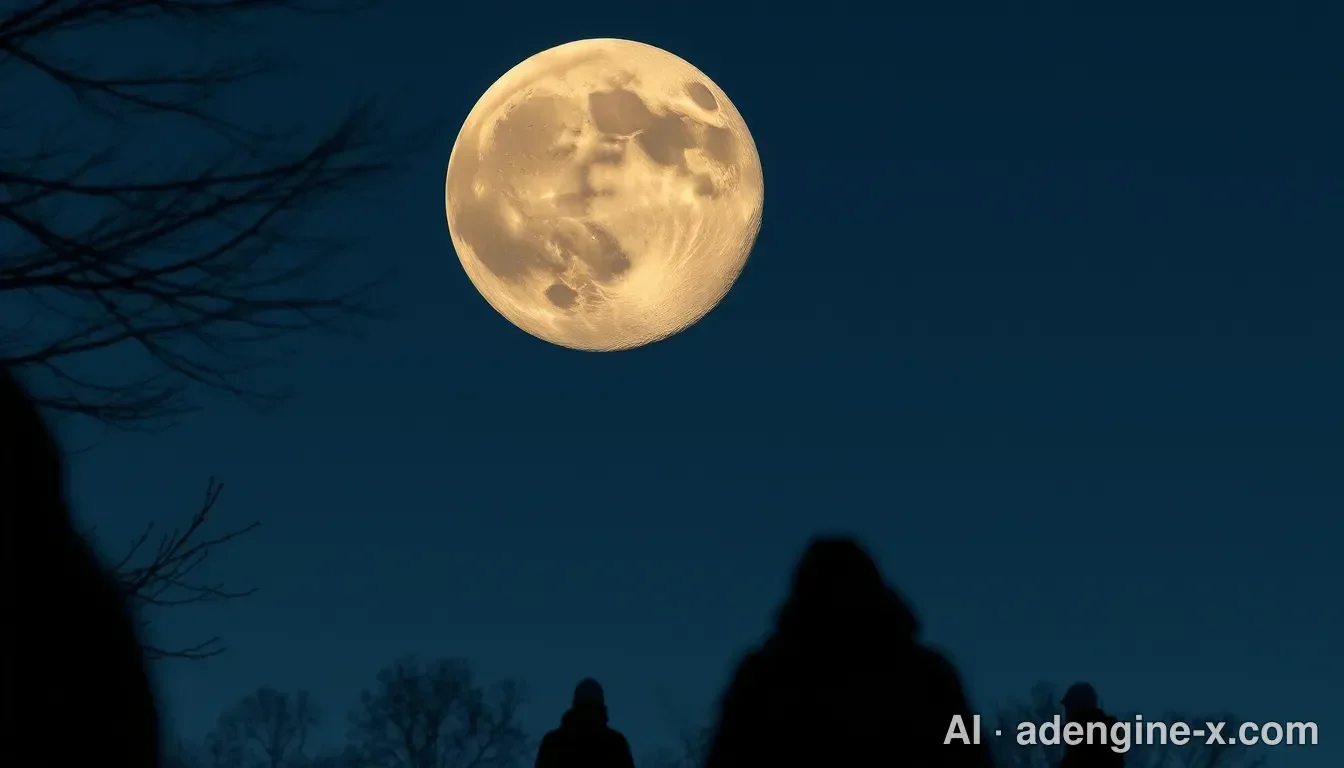
Start with your city’s moonrise time rather than sunset. Open Time and Date or Stellarium, select your location, and choose November 26, 2026. Check moonrise, moonset, and the Moon’s position at your intended viewing time.
The waning gibbous Moon rises in the eastern sky and remains visible into the following morning. Catalina Sky Survey highlights early-morning views in the western sky during the days after full Moon. You may therefore have another opportunity after sunrise on November 27.
For nighttime observing, aim for a time when the Moon has climbed clear of your local horizon. Late evening or around midnight can be useful, but your city’s chart should guide the decision. Buildings, trees, and hills can block a Moon that has technically risen.
Why it may look orange or huge
A newly risen Moon can appear reddish near the horizon, as EarthSky and Catalina Sky Survey explain. That appearance doesn’t mean the Moon is undergoing an eclipse. Its low position can change its appearance compared with a view higher in the sky.

An unusually large-looking horizon Moon is also not evidence of a sudden distance change. The Moon illusion involves visual perception and surrounding reference objects. Don’t confuse that effect with the supermoon designation associated with this month’s full Moon.
How to photograph the bright disk
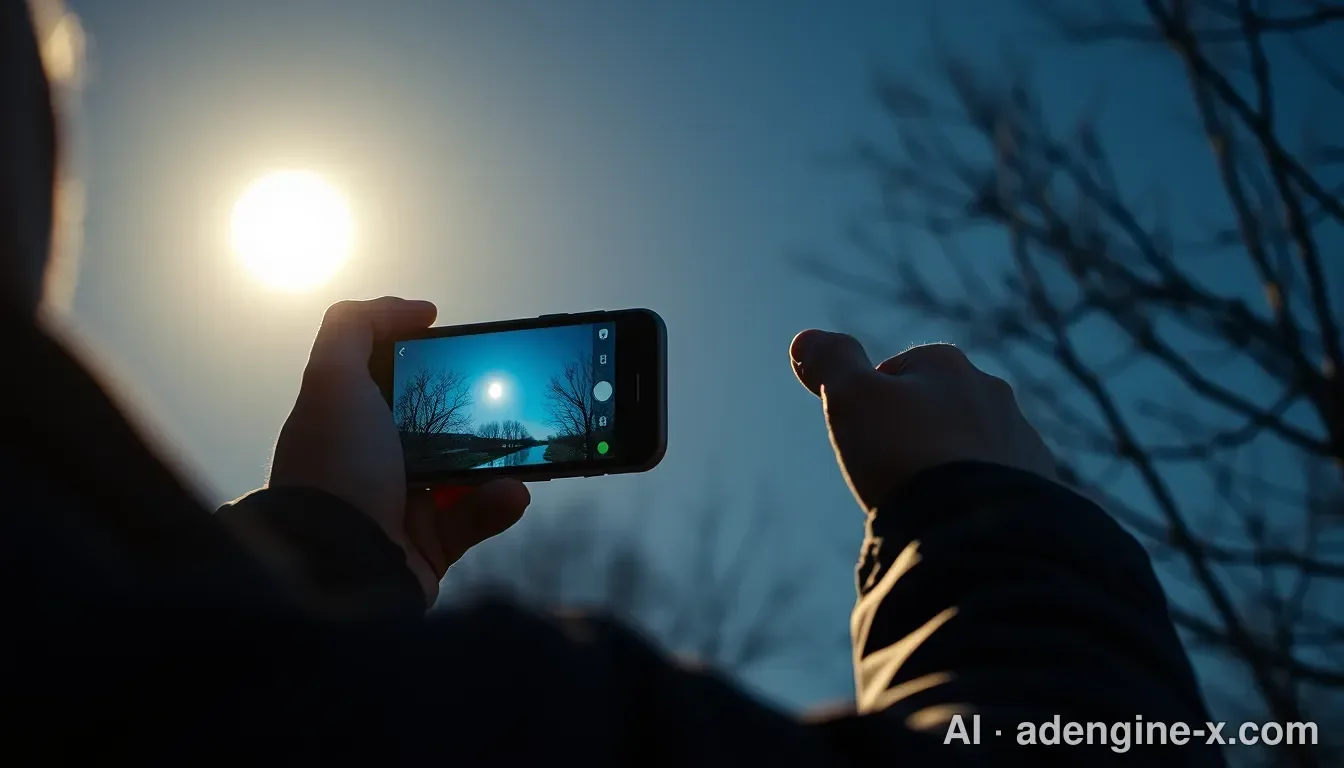
On your smartphone, turn off automatic night mode, then tap the Moon to focus. Lower the exposure slider so the disk retains surface markings instead of becoming a white circle. Review the result and adjust exposure for your camera.
For named surface targets, open NASA’s Daily Moon Guide and select the date. Its interactive view identifies observing features, helping you connect the dark plains and shadowed terrain with their names.
Tonight’s nearly full Moon is a good target for broad surface markings, with subtler relief near its shadowed edge. First, set your city in Time and Date or Stellarium so you know when it will clear your horizon.
Whether you step outside late tonight or catch the bright disk against tomorrow morning's pale sky, you do not need complex gear to enjoy the waning view. Step out once the Moon climbs high above local obstructions, give your eyes a moment to adjust, and take in the dark lunar plains.
ℹ️ This article was written with the help of AI tools. · Original: AdEngine-X

Dolly Parton & Dollywood Family Vacation Guide: 3-Night 4-Day Smoky Mountains Itinerary, Budget Breakdown & Parent Checklist
🇺🇸 English (영어) · Lifestyle Desk · 8/25/2026

OpenAI safety agreements what to check before trusting them
🇺🇸 English (영어) · News Desk · 11/17/2026

Singapore haze stocks how to assess regulatory risk
🇺🇸 English (영어) · News Desk · 10/20/2026

IU basketball mistakes to avoid when following the Hoosiers
🇺🇸 English (영어) · 마샬팀장 · 11/18/2026
More from this author




📚 References
This list may include both live search sources the AI referenced while writing and public-data sources checked during fact verification. Please verify the original sources before citing or reusing.
Was this article helpful?
0 Comments
Loading comments...