Hyundai Georgia Metaplant 800,000 Unit Expansion Practical Family Guide and Investment Breakdown
(Advertisers wanted)
(Advertisers wanted)
📌 Topic & Subject
This article details Hyundai Motor Group's potential 800,000-unit expansion of its Metaplant America (HMGMA) in Bryan County, Georgia. It examines the strategic shift toward domestic manufacturing, battery integration, tariff de-risking, and the practical impacts on family vehicle purchasing and regional economics.
(Advertisers wanted)
(Advertisers wanted)
📌 Table of Contents
- 1. Executive Summary: What Hyundai’s 800,000-Unit Georgia Expansion Means for Your Family
- 2. Comparative Breakdown: Strategic Footprint Across Key Competitors
- 3. Leadership Perspectives: Direct Statements from Key Decision-Makers
- 4. Strategic Deep Dive: The Three Engines Driving the 800,000 Target
- 5. Community and Economic Impacts: Georgia's Industrial Corridor
- 6. The Meticulous Parent’s Vehicle Buying & Timing Checklist
- 7. Behind-the-Scenes: The Evolution of the Bryan County Mega-Site
- 8. Outlook & Investor Summary: Building the Next North American Automotive Titan
1. Executive Summary: What Hyundai’s 800,000-Unit Georgia Expansion Means for Your Family
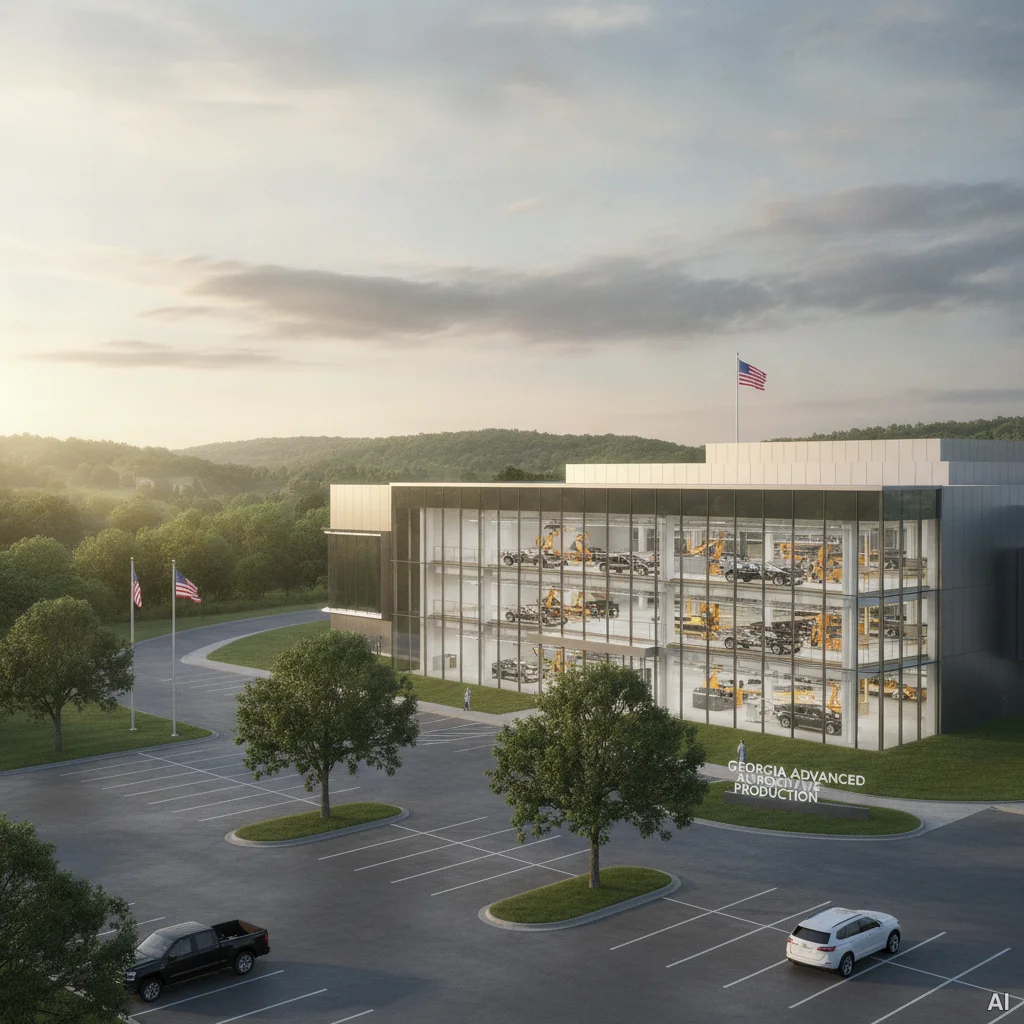
Grab a cup of coffee and pull up a chair. As parents managing a household budget, planning long-term family finances, and keeping the family fleet safe and reliable, major industrial moves often feel distant. However, when Hyundai Motor Group quietly begins laying the groundwork to expand its flagship Hyundai Motor Group Metaplant America (HMGMA) in Bryan County, Georgia, from an already massive 500,000-unit annual target up to 700,000 to 800,000 vehicles per year (under review), it directly impacts our pocketbooks, vehicle availability, and household planning.
This is not just another corporate press release. It is a decisive structural pivot. By scaling this single site in Ellabell, Georgia, into what could become the single largest automotive manufacturing facility in North America, Hyundai is insulating American families from volatile import tariffs, securing federal tax incentives, and ensuring that high-demand three-row SUVs and hybrid road-trippers reach local dealer lots without predatory markups or multi-month backorders.
The Core Shift: From Importer to Domestic Powerhouse
Historically, purchasing an imported vehicle meant taking on hidden exposures: shifting ocean freight rates, unpredictable port delays, currency fluctuations, and policy-driven tariff hikes. In 2024, approximately 40% of Hyundai, Kia, and Genesis vehicles sold in the United States were manufactured domestically. Hyundai’s active evaluation of an 800,000-unit ceiling at HMGMA aims to push that domestic production footprint past 80% by 2028 to 2030.
Key Milestones: From Initial Groundbreaking to Super-Plant
To understand how we arrived at this pivotal moment, it helps to review the timeline of this industrial mega-site:
- May 2022: Official memorandum of understanding signed with the State of Georgia for a dedicated $5.5 billion electric vehicle manufacturing facility designed for 300,000 units annually.
- October 2022: Groundbreaking on the 2,284-acre Bryan County mega-site.
- 2023–2024: Strategic expansion to a 500,000-unit blueprint, integrating a dedicated on-site battery cell joint venture with LG Energy Solution and adjusting lines for ultra-flexible hybrid electric vehicle (HEV) assembly, raising dedicated capital expenditure to $7.59 billion.
- Current Assessment: Active strategic review to scale total site throughput to 700,000–800,000 units, backed by Hyundai’s overarching $26 billion cumulative U.S. investment plan through 2028 (as planned).
2. Comparative Breakdown: Strategic Footprint Across Key Competitors
When making long-term vehicle purchasing and investment decisions, comparing how major original equipment manufacturers (OEMs) position their flagship manufacturing facilities provides clear clarity. Below is an objective analysis of North America's premier production complexes.
| Comparison Dimension | Hyundai HMGMA (Ellabell, GA) | Tesla Giga Texas (Austin, TX) | Toyota Motor Mfg Kentucky (Georgetown, KY) |
|---|---|---|---|
| Max Annual Capacity | Up to 700,000 – 800,000 units (Under Review) | Approx. 500,000 – 600,000 units | Approx. 550,000 – 600,000 units |
| Manufacturing Flexibility | Ultra-Flexible Mixed Line (BEV + HEV + Next-Gen EREV) | Dedicated Pure Battery Electric (BEV Only) | HEV, PHEV, and Internal Combustion Focus |
| Primary Vehicle Focus | Ioniq 5/9, Santa Fe HEV, Sportage HEV, Genesis GV90 | Model Y, Cybertruck | Camry, RAV4 Hybrid, Lexus ES |
| Battery Supply Integration | Collocated LG Energy JV (30 GWh) + SK On JV (35 GWh) | In-house 4680 line + external dry-cell sourcing | Regional supply from North Carolina Battery Plant |
| Strategic Advantage | Agile volume reallocation between Hybrids and EVs based on consumer demand | Deep software vertical integration and casting efficiency | Unrivaled legacy hybrid customer loyalty and resale value |
| Operational Vulnerability | Regional groundwater permits & infrastructure scaling demands | Vulnerability to pure EV market adoption pauses | Gradual software and pure EV platform modernization |
3. Leadership Perspectives: Direct Statements from Key Decision-Makers
To accurately gauge the certainty and velocity of this expansion, we look directly at verifiable public statements from executive leaders and public officials shaping this initiative.
Hyundai Motor Leadership: In media interviews, Hyundai Motor Company President and CEO José Muñoz stated that the United States is the company's most important market outside South Korea. He noted that Hyundai is actively reviewing plans to expand the Georgia Metaplant's annual capacity to between 700,000 and 800,000 units by 2028 to support its goal of producing at least 80% of U.S.-sold vehicles domestically, acknowledging that tariff policies have accelerated localization efforts.
State of Georgia Leadership: Georgia Governor Brian Kemp and state economic development officials have highlighted Hyundai Motor Group's Metaplant as the largest economic development project in Georgia's history, emphasizing its role in creating thousands of high-quality manufacturing jobs and positioning the state as a clean mobility hub.
HMGMA Company Assessment: Company representatives have indicated that Hyundai is evaluating various production scenarios up to 800,000 units to respond flexibly to market dynamics—including robust consumer demand for hybrids alongside electrification—while emphasizing that formal expansion plans remain subject to ongoing internal review.
Genesis Brand Strategy: According to Lee Si-hyuk, Executive Vice President and Head of the Genesis Business Division, expanding brand operations aligns with rolling out flagship luxury electrified models such as the GV90 and introducing extended-range electric vehicles (EREVs) to capture broader market demand.
4. Strategic Deep Dive: The Three Engines Driving the 800,000 Target
Why would an automaker choose to virtually double a factory's footprint before the original assembly line finishes its initial production ramp? Three underlying industrial catalysts explain this bold strategy.
1. Complete Tariff De-risking and Policy Insulation
With ongoing shifts in U.S. trade policy, potential universal baseline tariffs, and stringent automotive origin rules, importing vehicles assembled abroad incurs steep margin penalties or forced consumer price inflation. By moving from a 40% domestic production ratio in 2024 to over 80% by 2028, Hyundai aims to neutralize ocean freight risks, port handling bottlenecks, and federal customs tariffs, potentially protecting vehicle affordability for everyday households.
2. The Agile Mixed-Assembly Pivot (EV + HEV + EREV)
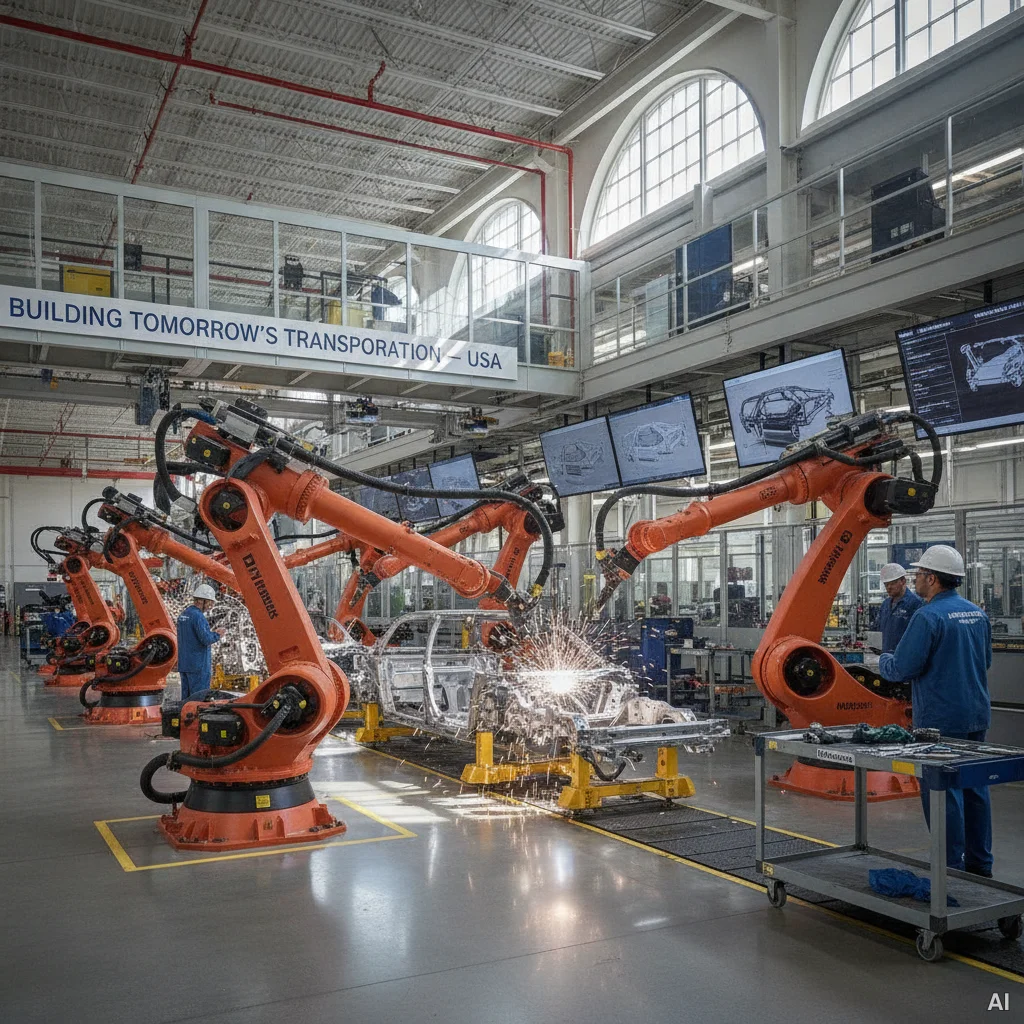
Originally mapped out as a dedicated battery-electric vehicle facility, Hyundai leadership executed a pivotal operational adjustment when the pace of pure EV adoption normalized across North America. The facility features modular robotic lines capable of manufacturing pure electric platforms (like the Ioniq 5 and three-row Ioniq 9), proven hybrid systems (Santa Fe Hybrid and Tucson/Sportage platforms), and upcoming Extended-Range Electric Vehicles (EREV) capable of over 600 miles (1,000 km) of combined range using a small internal combustion generator (subject to final specifications).
3. Captive Domestic Battery Integration
Automakers without localized cell manufacturing face supply bottlenecks and lose eligibility under Inflation Reduction Act (IRA) Section 30D rules. HMGMA solves this directly:

- LG Energy Solution JV: An on-site 30 GWh battery cell facility directly feeding the Ellabell assembly floor, capable of supporting 300,000 to 400,000 pure electric drivetrains annually.
- SK On JV (HSBMA): A 35 GWh dedicated cell manufacturing facility in Bartow County, Georgia, providing critical multi-platform cell redundancy across Hyundai, Kia, and Genesis nameplates.
5. Community and Economic Impacts: Georgia's Industrial Corridor
The transformation taking place across Bryan County, Bulloch County, Chatham County, and the greater Savannah area is profound. Understanding these localized fundamentals provides key context on labor stability and production execution.
Employment and Regional Wage Growth
According to comprehensive data compiled by the Center for Automotive Research (CAR), the full realization of the Metaplant and its allied ecosystem will yield:
- Direct Plant Headcount: At least 8,500 direct technical, assembly, engineering, and administrative personnel at full build-out.
- Tier-1 and Tier-2 Suppliers: Over 6,900 dedicated positions across direct regional supplier networks.
- Total Statewide Economic Footprint: Approximately 40,000 direct and indirect jobs across logistics, public services, housing, and industrial maintenance.
- Annual Payroll Impact: Estimated at more than $4.6 billion annually entering regional household circulation (according to projections).
Infrastructure Realities: Water Permitting and Highway Upgrades
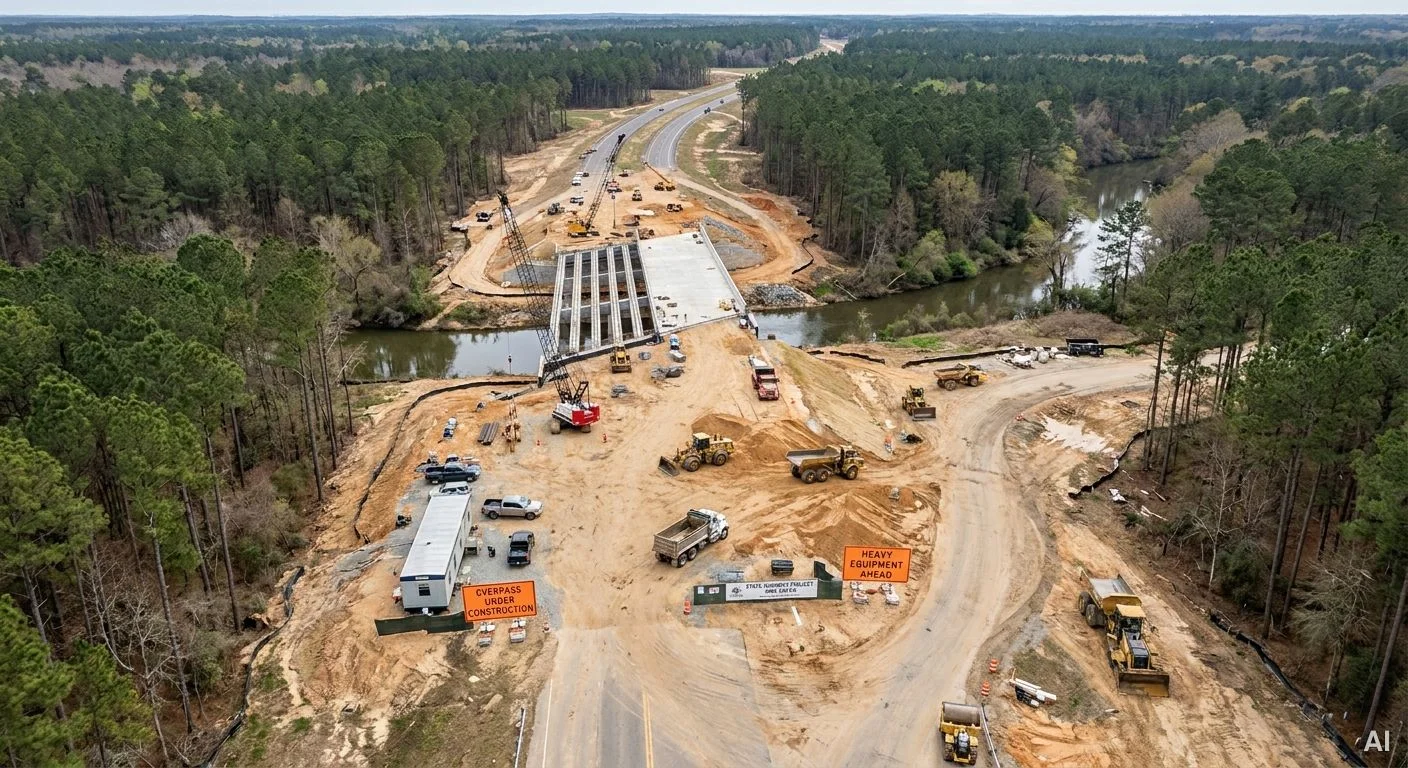
Growth at this velocity requires rigorous community oversight. Local discussions have centered around two vital municipal checkpoints: the management of groundwater permits involving the Floridan Aquifer to safeguard agricultural water tables, and extensive widening projects along the Interstate 16 transportation corridor to accommodate heavy freight logistics heading to and from the Port of Savannah.
6. The Meticulous Parent’s Vehicle Buying & Timing Checklist
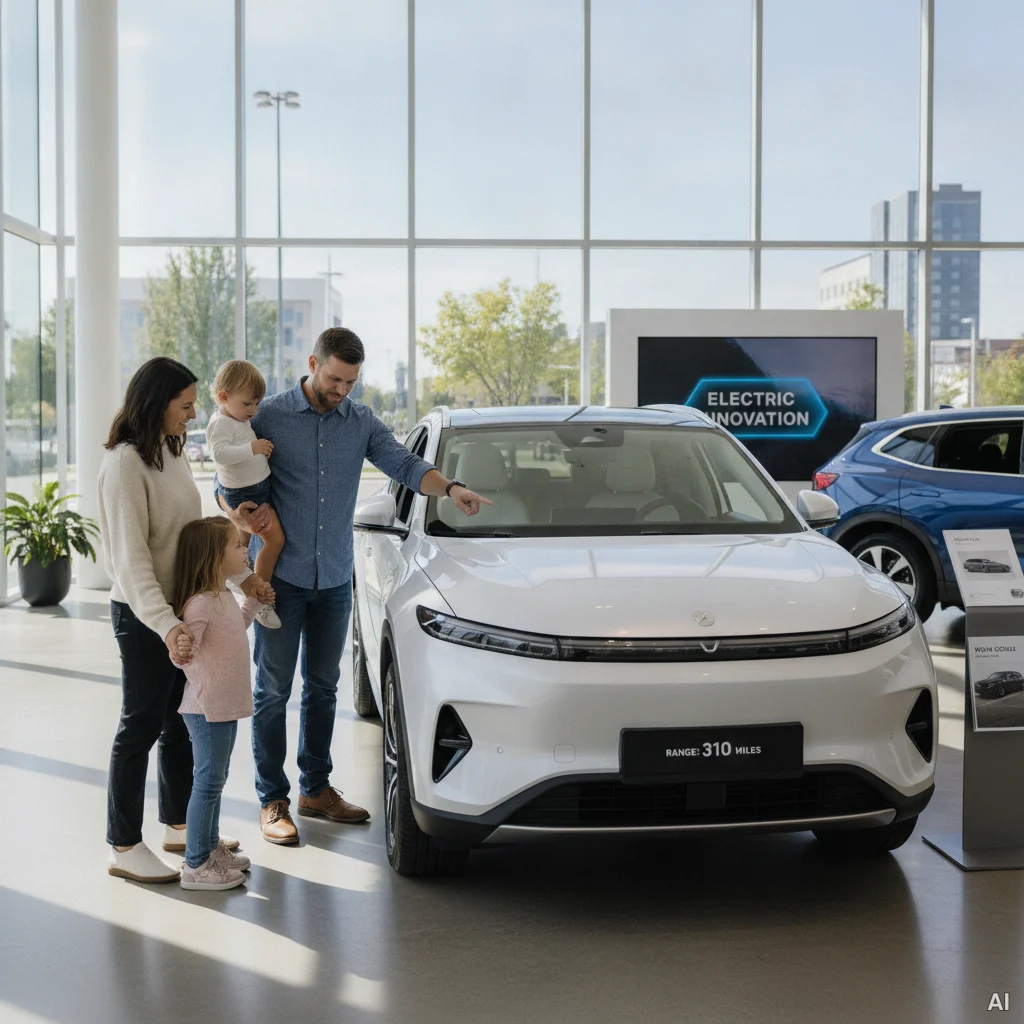
If your family plans to upgrade to a dependable three-row hauler, an efficient commuter hybrid, or a premium SUV over the next 12 to 36 months, this expansion creates tangible strategic opportunities. Use this actionable checklist to time your purchase, maximize incentives, and avoid unnecessary dealer fees.
| Verification Step | Practical Action Item | Family Budget Impact |
|---|---|---|
| 1. VIN Verification | Check the first character of the Vehicle Identification Number. Ensure it starts with 1, 4, or 5 (assembled in the USA) to confirm potential domestic assembly qualification. | Guarantees direct eligibility for point-of-sale federal clean vehicle tax credits (up to $7,500). |
| 2. Inventory Volume Timing | Target purchasing your three-row vehicle (such as the Ioniq 9 or Santa Fe Hybrid) as factory shift lines hit stable volume yields (late 2026 through 2028). | Higher supply eliminates dealer markups (Market Adjustments) and triggers manufacturer financing APR subvention. |
| 3. Powertrain Suitability | Assess whether your household requires a pure BEV, a traditional HEV, or the upcoming 600+ mile EREV platform for multi-state family road trips. | Eliminates roadside charging anxiety while locking in 35–45+ combined MPG fuel efficiency. |
| 4. Parts & Collision Lead Time | Verify with your insurer and body shop that replacement body panels, modules, and glass are sourced from local domestic supply routes. | Aims to reduce potential repair wait times from 3–4 months down to days, potentially avoiding out-of-pocket rental car fees. |
Practical Pre-Purchase Walkthrough for Careful Parents
- Step 1: Check Financing Incentives: Before visiting a showroom, check Hyundai Motor Finance (HMF) promotional APR tiers. Increased domestic production volume reliably corresponds with competitive 0.9% to 3.9% promotional rate programs.
- Step 2: Inspect Monroney Window Stickers: Review the final assembly point listed on the bottom right corner of the window sticker to confirm Ellabell, Georgia, or Montgomery, Alabama origin.
- Step 3: Refuse Unofficial Add-Ons: With high factory output, you do not need to accept mandatory dealer tint, paint protection, or document markups. If a local dealership refuses to sell at or below MSRP, expand your search radius across neighboring states.
7. Behind-the-Scenes: The Evolution of the Bryan County Mega-Site
Every major industrial complex has an untold backstory. The 2,284-acre site where HMGMA stands was originally scouted and prepared in 2015 for Volvo Cars before the Swedish brand selected Ridgeville, South Carolina. Rather than letting the site sit idle, the State of Georgia and local joint development authorities spent $61 million acquiring and unifying the parcels into the "Bryan County Megasite."
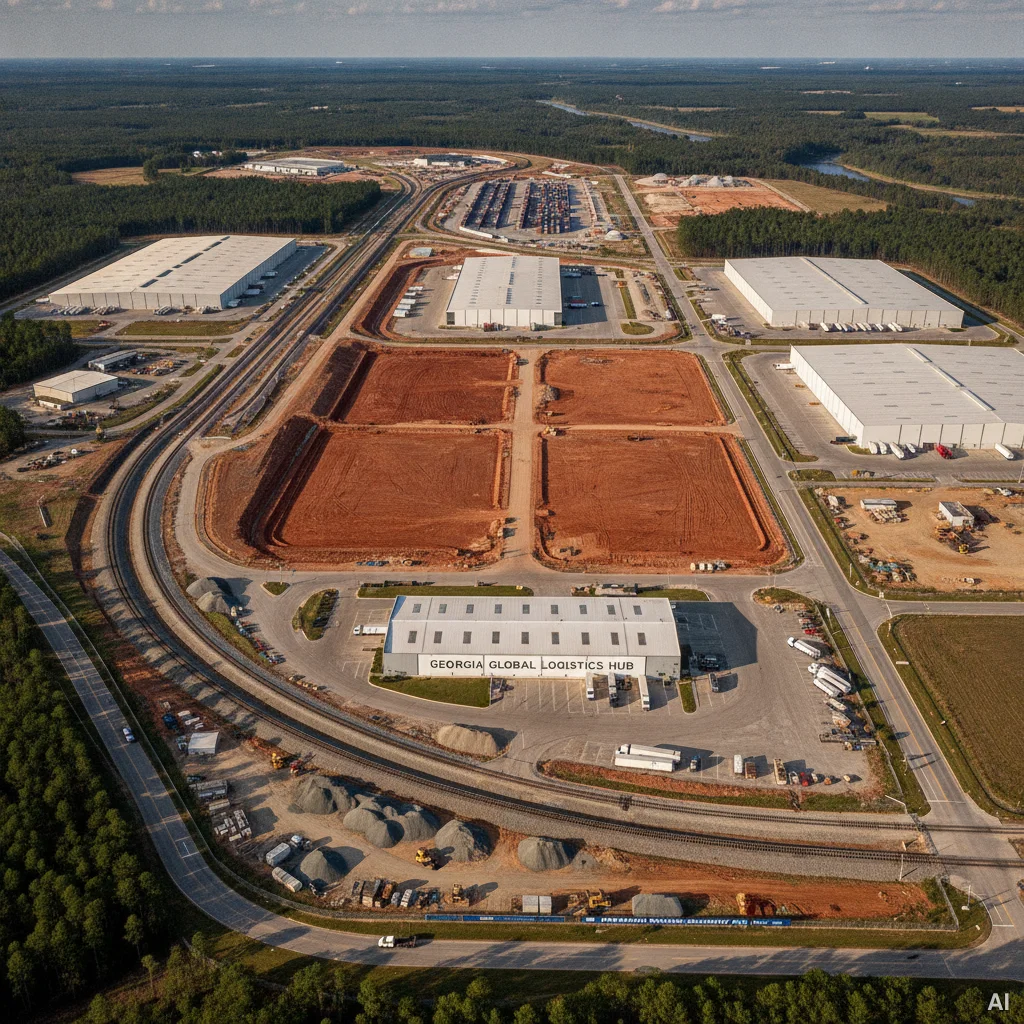
When global supply chains fractured during early 2022, Georgia’s pre-graded, rail-connected site became the exact turn-key canvas Hyundai needed. Furthermore, executive leadership has openly evaluated future platform extensions, including potential dedicated body-on-frame architectures for rugged full-size SUVs and pickup trucks to compete head-to-head with domestic staples like the Ford Expedition and Chevrolet Tahoe.
8. Outlook & Investor Summary: Building the Next North American Automotive Titan
Combining the output from HMGMA in Georgia (up to 800,000 units), Hyundai Motor Manufacturing Alabama in Montgomery (approx. 400,000 units), and Kia Georgia in West Point (approx. 350,000 units), Hyundai Motor Group is assembling a unified North American manufacturing engine capable of delivering 1.55 to 1.6 million vehicles annually.
Core Investor and Household Takeaways
- Market Share Growth: Hyundai, Kia, and Genesis have expanded combined U.S. market share from 8.4% in 2020 to approximately 11.2%, with Genesis crossing over 450,000 cumulative sales and consistently exceeding 80,000 annual units in the U.S.
- Operating Margin Protection: Domestic production shields the balance sheet from external currency shifts and tariff pressures while maximizing Advanced Manufacturing Production Credit (AMPC) cash flows from collocated battery plants.
- Consumer Peace of Mind: Families gain access to a resilient supply of technologically advanced, fuel-efficient vehicles backed by local jobs, localized parts inventories, and consistent price stability.
Disclaimer: Final production targets, tax incentive eligibility criteria, and financing rates are subject to individual state filings, federal agency guidelines, and official manufacturer vehicle specifications. Always verify details with your certified financial advisor and authorized retail dealer prior to execution.
ℹ️ This article was drafted with the help of an AI tool and reviewed/edited by a human before publishing. · Original: AdEngine-X
📚 References
This list may include both live search sources the AI referenced while writing and public-data sources checked during fact verification. Please verify the original sources before citing or reusing.
0 Comments
Loading comments...