BYD CATL Xiaomi US Visit 2026: 8 Key Impacts on Family Car Budgets, Smart Tech, and Investments
(Advertisers wanted)
(Advertisers wanted)
📌 Topic & Subject
This article examines the geopolitical and economic implications of Chinese manufacturing leaders—specifically Wang Chuanfu of BYD, Robin Zeng of CATL, and Lei Jun of Xiaomi—reportedly joining a state visit delegation to Washington D.C. It details how bilateral negotiations involving tariffs, critical materials, and licensing frameworks like Ford's BlueOval project will directly impact American household budgets, vehicle prices, and smart technology.
(Advertisers wanted)
(Advertisers wanted)
📌 Table of Contents
- 1. Executive Summary: The Geopolitical Chess Match at Our Kitchen Table
- 2. Comparative Stakeholder Analysis: Divergent Interests and Stances
- 3. The Structural Impasse: Tariffs, Tech Rivalry, and Diplomatic Protocol
- 4. Behind-the-Scenes Mechanics: Licensing Deals and Security Vetting
- 5. The Tech Divide: LFP vs. Ternary Chemistry and Ecosystem Integration
- 6. Public Sentiment and Rust Belt Economic Realities
- 7. Actionable Family Checklists: Cars, Smart Homes, and Investments
- 8. Three Divergent Trajectories: Strategic Scenarios for 2026–2030
Executive Summary: The Geopolitical Chess Match at Our Kitchen Table
The core conclusion is unequivocal: The reported consideration of Chinese manufacturing titans—specifically Wang Chuanfu of BYD, Robin Zeng of CATL, and Lei Jun of Xiaomi—joining President Xi Jinping’s September 24, 2026 state visit delegation to Washington D.C. signals a structural turning point in US-China economic relations. Rather than a routine diplomatic overture, this move represents a calculated counter-maneuver to Washington’s containment policies. For American families managing household budgets, planning retirement portfolios, or monitoring digital nursery monitors, this summit is not abstract geopolitics—it directly governs vehicle purchase prices, automotive employment stability, and residential cybersecurity over the next decade.
Behind the headline reported across Reuters, Bloomberg, the South China Morning Post, and Yahoo Finance lies an aggressive game of diplomatic mirroring. When President Donald Trump visited Beijing in May 2026, he arrived flanked by an entourage of top American chief executives seeking market access. Beijing’s prospective deployment of its new manufacturing champions directly echoes that strategy. Yet, the friction is acute: BYD and CATL face 100% tariffs on fully assembled electric vehicles, a 25% levy on lithium-ion EV batteries, scrutiny under the Department of Defense (DoD) Section 1260H Chinese military companies list, and an impending 2027 model-year ban from the Department of Commerce targeting connected vehicle hardware and software. As Treasury Secretary Scott Bessent and Vice Premier He Lifeng conduct closed-door negotiations regarding tariff suspensions, rare earth export licenses, and foreign direct investment, careful parents must look past diplomatic rhetoric and prepare their household finances for three distinct macroeconomic outcomes.
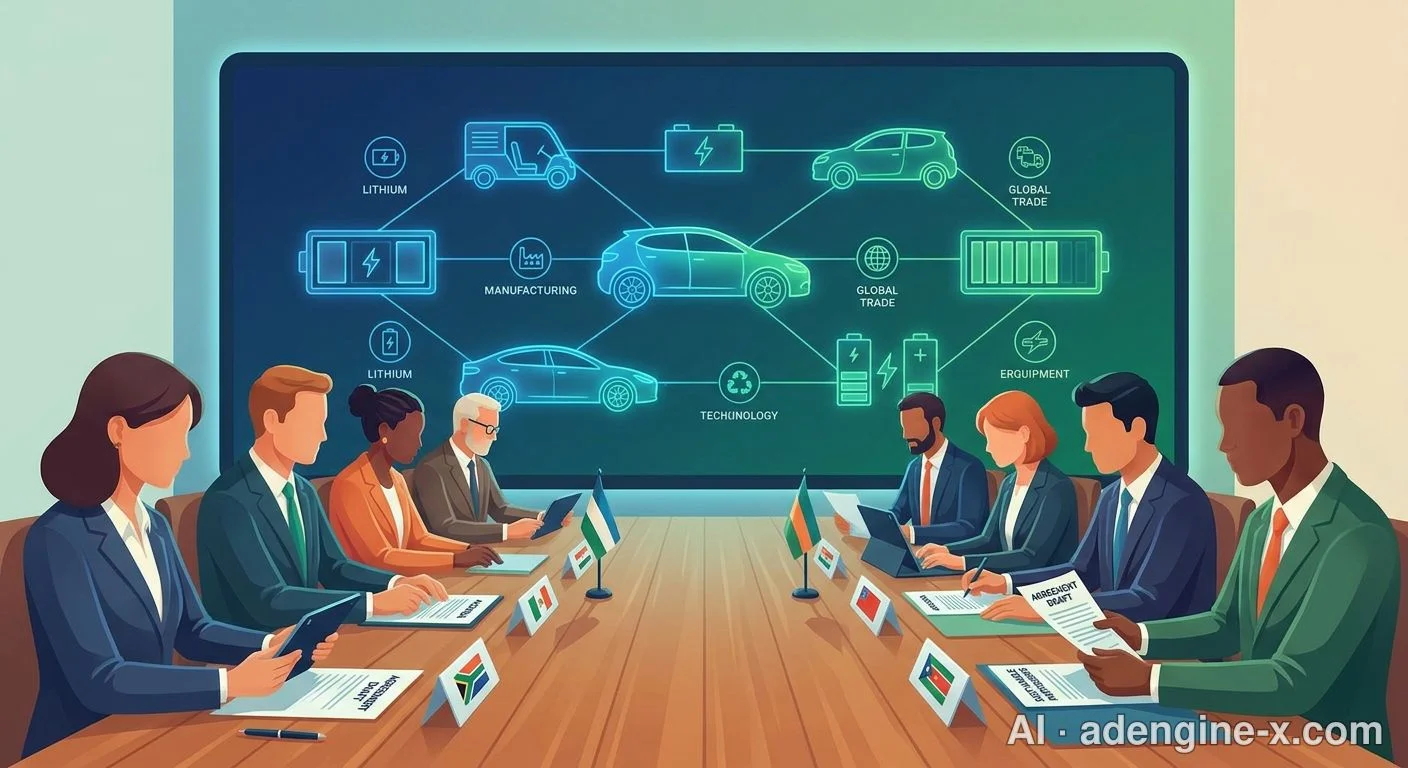
Comparative Stakeholder Analysis: Divergent Interests and Stances
Understanding this geopolitical collision requires comparing the foundational claims, operational models, and policy demands of the primary actors shaping this bilateral dispute. The table below provides a meticulous, head-to-head breakdown of the institutional agendas competing behind closed doors in Washington.
| Stakeholder / Executive | Primary Geopolitical Agenda | Key Stated Position / Argument | Direct Household Impact |
|---|---|---|---|
| Wang Chuanfu (Chairman, BYD) | Securing long-term North American market access; contesting 100% finished-vehicle tariffs. | Argues BYD is a publicly traded, commercial enterprise offering affordable green mobility, entirely disconnected from the People's Liberation Army (PLA). | Determines whether American middle-class families can access sub-$25,000 electric commuter vehicles. |
| Robin Zeng (Chairman, CATL) | Expanding technology licensing agreements (LRS) to bypass Section 1260H and FEOC exclusions. | Maintains that proprietary LFP chemistry is essential for US automakers to produce safe, low-cost domestic EVs profitably. | Directly impacts domestic EV pricing, warranty longevity, and fire-safety risk profiles in family garages. |
| Lei Jun (Chairman, Xiaomi) | Testing diplomatic waters for the 'Human x Car x Home' connected ecosystem; avoiding hardware sanctions. | Advocates for consumer tech openness, presenting Xiaomi as a lifestyle technology pioneer competing globally. | Dictates the availability, long-term software support, and data privacy of residential IoT appliances. |
| Donald Trump (US Administration) | Protecting Rust Belt manufacturing while demanding direct greenfield capital investment in key states. | Welcomes Chinese companies only if they build plants in Michigan, Ohio, or South Carolina employing American workers, while banning imported units. | Preserves 1.2 million automotive jobs, but prolongs elevated new-car average transaction prices (~$48,000). |
| Jim Farley (CEO, Ford Motor Co.) | Preserving the 1.8M sq ft BlueOval Battery Park Michigan project via a pure licensing framework. | Maintains that licensing CATL technology allows domestic workers to build affordable LFP batteries without giving up equity. | Decides whether entry-level American electric utility vehicles qualify for federal incentives and affordable MSRPs. |
| Alliance for Automotive Innovation (AAI) | Safeguarding legacy manufacturing balance sheets against state-subsidized supply chain disruptions. | Warns that an unmitigated influx of subsidized Chinese vehicles will permanently dismantle the US industrial base. | Influences domestic supply chain resilience and multi-year consumer financing interest rates. |
The Structural Impasse: Tariffs, Tech Rivalry, and Diplomatic Protocol
Origins of the Industrial Confrontation
The presence of Chinese green-technology executives on an official delegation list is not an accidental courtesy; it is the culmination of a multi-year industrial struggle. The United States has enacted strict protective barriers: a 100% tariff on Chinese-manufactured battery electric vehicles, a 25% tariff on lithium-ion EV battery cells, and stringent Foreign Entity of Concern (FEOC) rules codified in the Inflation Reduction Act. These measures seek to isolate Chinese manufacturing overcapacity. In response, Beijing aims to demonstrate that its clean-tech transition cannot be bypassed without imposing severe inflationary burdens on Western consumers.
The Bessent-He Lifeng Channel and the Grand Bargain
Behind the scenes, US Treasury Secretary Scott Bessent and Chinese Vice Premier He Lifeng have established bilateral communication channels focusing on three primary friction points:
- Tariff Moratoriums vs. Foreign Direct Investment: The potential exchange of tariff adjustments in return for binding greenfield investments across the industrial Rust Belt.
- Critical Materials and Rare Earth Licensing: US pressure for guaranteed, unhindered export licenses covering heavy rare earth elements (dysprosium, terbium) and refined battery minerals.
- Regulatory Relief on Connected Platforms: Beijing's pushback against the Department of Commerce’s proposed restrictions on Chinese-origin telematics, lidar, and vehicle operating software.
Diplomatic Protocol Constraints and the Closed-Door Reality
Despite corporate hopes for an expansive, high-profile CEO summit, White House national security officials have restricted access. The administration has firmly avoided joint press briefings or high-profile public business roundtables reminiscent of earlier decades. Instead, interaction parameters have been confined strictly to formal state dinner protocols and specialized technical working groups. This containment strategy aims to prevent foreign industrial leaders from leveraging White House access for unearned commercial legitimacy while sensitive 1260H military-affiliate designations remain under review.
Behind-the-Scenes Mechanics: Licensing Deals and Security Vetting
The BlueOval LRS Framework: The Blueprint for Market Penetration
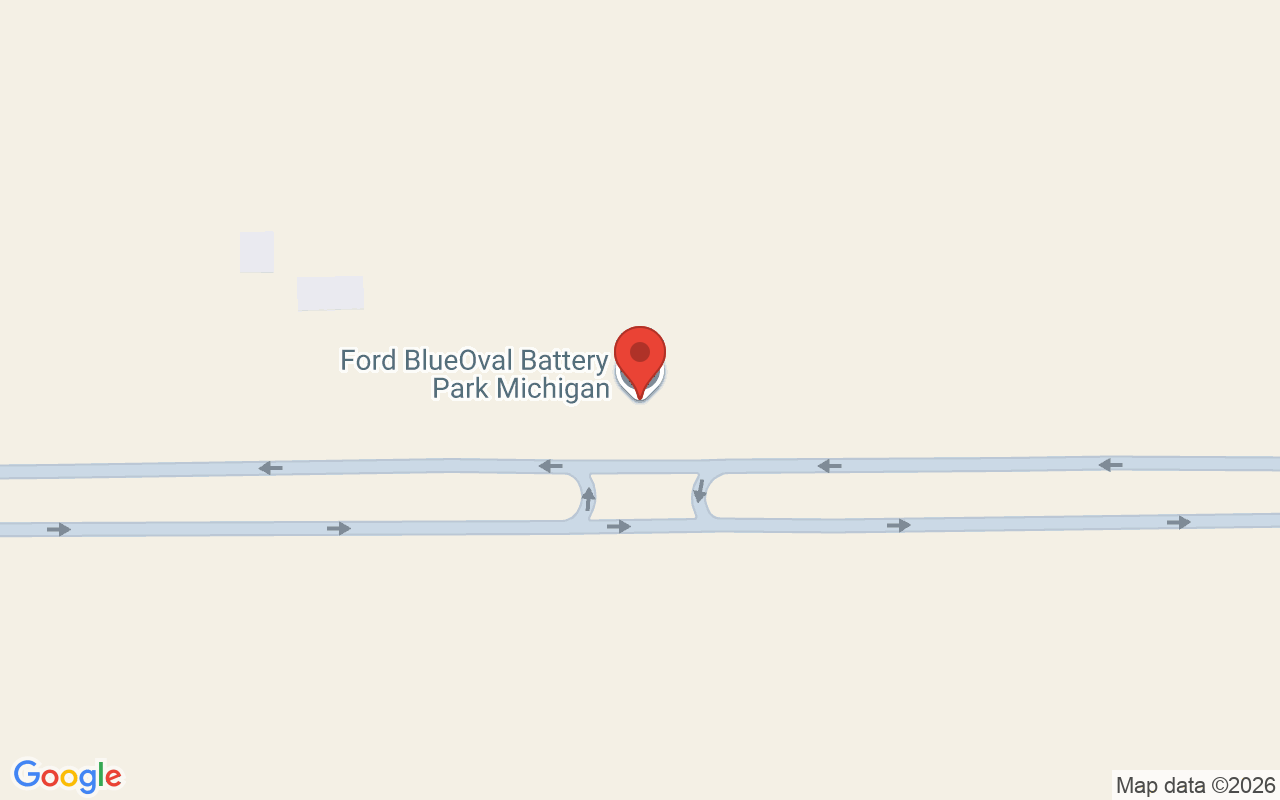
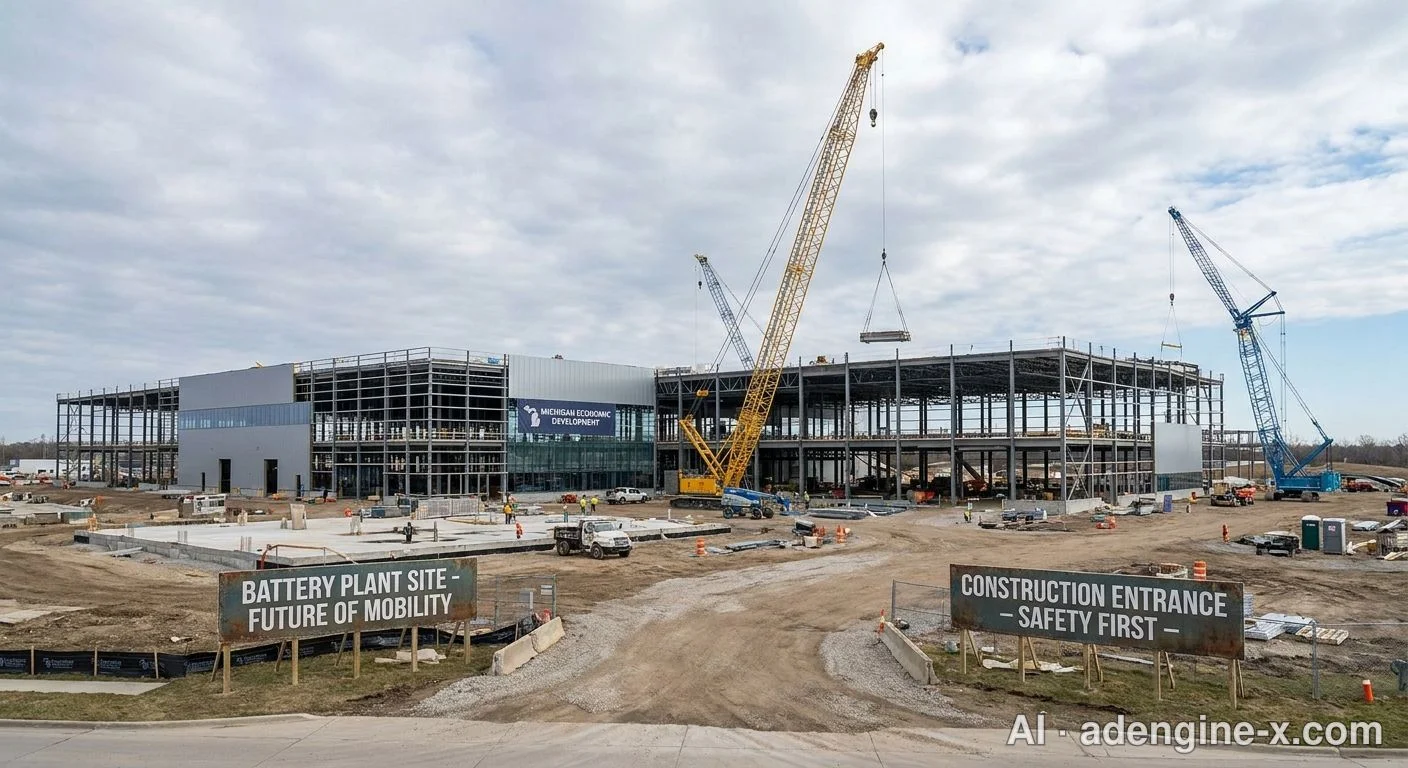
The definitive operational model for Chinese market participation in North America is the Licensing, Royalty, and Service (LRS) framework developed for the 1.8-million-square-foot BlueOval Battery Park in Marshall, Michigan. Designed by Ford Motor Company to navigate federal restrictions, this structure ensures that Ford owns 100% of the land, the brick-and-mortar physical plant, and all production tooling. Contemporary Amperex Technology Co., Limited (CATL) holds zero percent equity. Instead, CATL provides the intellectual property licenses, blueprints, machinery calibration parameters, and on-site technical consulting in exchange for fixed contractual royalties. This model avoids direct FEOC equity violations while transferring proprietary battery manufacturing expertise onto American soil.
 🔍
🔍
Visa Maneuvers and the 1260H DoD Designations
Executive delegation planning was marked by complex background negotiations. The US State Department and Pentagon scrutinized visa clearance requests for Chinese corporate executives, notably Wang Chuanfu. Because several Chinese technological leaders remain listed or under review pursuant to statutory Section 1260H authorities—which classify entities as military-civil fusion contributors—visas were managed through specialized, conditional diplomatic tracks. The White House utilized these immigration and national security clearances as active leverage, ensuring that corporate access remained contingent upon reciprocal concessions regarding rare earth access and manufacturing assurances.
Beijing's Selection Criteria: The Three Internal Commandments
Internal deliberations within the General Office of the Chinese Communist Party, overseen by Politburo Standing Committee member Cai Qi, established rigid criteria for delegation participants:
- Direct Deal Viability: Corporate leaders were required to possess verifiable, shovel-ready North American investment proposals or technological licensing frameworks capable of withstanding scrutiny.
- Party Alignment: Absolute adherence to national foreign policy discipline and strategic industrial directives over corporate self-interest.
- Low-Profile Restraint: A mandatory condition requiring corporate chairmen to avoid dominating public coverage, ensuring that the primary spotlight remained entirely focused on the Chinese head of state.
The Tech Divide: LFP vs. Ternary Chemistry and Ecosystem Integration
LFP Versus NCM: Safety and Cost Comparisons for Families
For parents evaluating a family vehicle, battery chemistry is far more than an engineering detail; it directly affects passenger safety, thermal stability, and vehicle depreciation. CATL and BYD dominate the global production of Lithium Iron Phosphate (LFP) batteries. In contrast, legacy US and South Korean supply chains have historically prioritized Nickel Cobalt Manganese (NCM) or Nickel Cobalt Aluminum (NCA) chemistries.
- LFP (Lithium Iron Phosphate): Replaces volatile cobalt and expensive nickel with iron phosphate. The chemical bond between iron, phosphorus, and oxygen is inherently stable, meaning thermal runaway occurs at roughly 270°C (518°F) compared to 150°C (302°F) for typical NCM cells. Crucially, LFP packs can tolerate sustained daily charging to 100% capacity without rapid cell degradation, delivering over 3,000 charge-discharge cycles. This longevity translates to lower upfront costs and reduced thermal fire risk.
- NCM/NCA (Ternary Chemistries): Delivers superior energy density per unit weight, translating to longer single-charge driving ranges in sub-freezing conditions. However, ternary cells require rigorous thermal management, carry higher raw material volatility, and manufacturers typically advise maintaining a daily 80% charge ceiling to preserve long-term battery health.
Vertical Integration Versus Tier-1 Dependency
The economic leverage demonstrated by BYD originates from its deep vertical integration. BYD manufactures approximately 75% to 80% of all components integrated into its vehicles in-house—including insulated-gate bipolar transistors (IGBTs), electric drive units, wiring harnesses, battery cells, and infotainment silicon. Western legacy automakers remain largely reliant on fragmented tiers of external suppliers. This structural difference allows Chinese manufacturers to iterate platform designs rapidly and maintain vehicle price points that present a fundamental competitive challenge to traditional manufacturing networks.
The Unified Ecosystem: Xiaomi's Strategic Ambition
Xiaomi’s presence in strategic discussions highlights a second industrial trend: software-defined vehicular integration. Leveraging its proprietary HyperOS operating system, Xiaomi connects personal smartphones, residential IoT equipment (robotic vacuums, ambient nursery cameras, smart appliances), and the electric vehicle powertrain under a single cloud architecture. While Western tech firms have largely scaled back dedicated proprietary consumer automotive manufacturing programs, Chinese tech ecosystems are executing integrated consumer architectures that combine residential automation with daily transportation systems.
Public Sentiment and Rust Belt Economic Realities
Consumer Dilemmas Across Suburbia
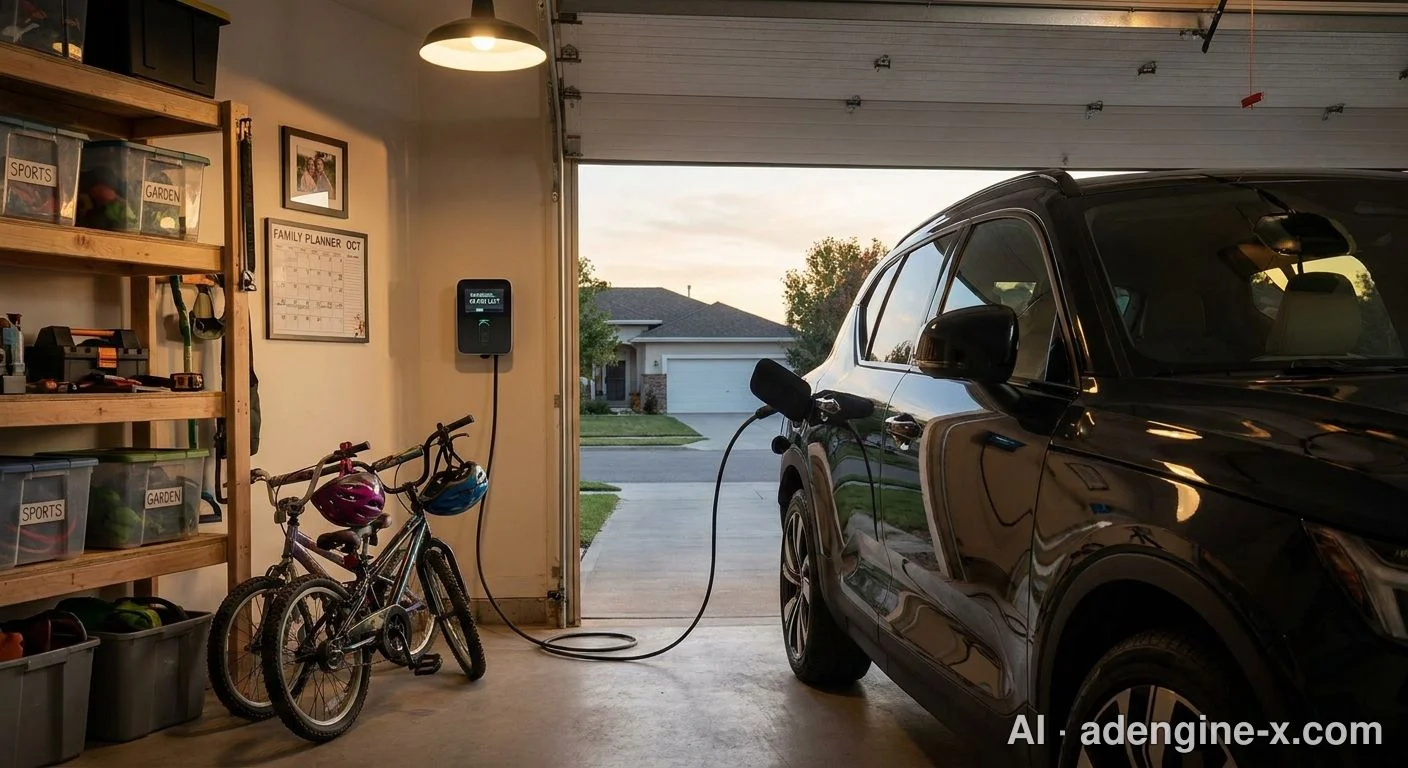
Family perspectives across consumer communities reflect a clear tension between household financial pressures and security considerations. On digital automotive forums such as Reddit’s r/electricvehicles, persistent inflation has driven the average transaction price for a new three-row family crossover or SUV past $48,000, with dedicated all-electric equivalents averaging roughly $55,000. For households managing multiple child-care expenses or student loan commitments, the theoretical prospect of purchasing a well-equipped, safe commuter vehicle priced near $20,000 to $25,000 represents a compelling economic relief valve. Conversely, parents increasingly voice legitimate anxieties regarding digital sovereignty: the integration of dozens of external vehicular optical cameras, cabin microphones, continuous location telemetry, and cloud-synchronized biometric profiles raises acute privacy concerns regarding data storage frameworks and vulnerability to remote operational disruption.
The Rust Belt Labor Paradox
Across traditional industrial centers in Michigan, Ohio, and Indiana, the prospective arrival of Chinese advanced manufacturing facilities generates mixed reactions. On one hand, community leadership, commercial developers, and local trade contractors welcome the significant capital deployment, infrastructure investment, and direct assembly-line jobs offered by projects like the 1.8-million-square-foot Marshall facility. On the other hand, the United Auto Workers (UAW) and regional manufacturing associations caution that technological licensing models could leave domestic workers functioning primarily as assembly personnel for foreign-controlled intellectual property. They warn that uncoordinated market entry could undermine domestic supply chains, ultimately putting at risk the broader ecosystem of approximately 1.2 million automotive-related manufacturing jobs across the continental United States.
Actionable Family Checklists: Cars, Smart Homes, and Investments
To help navigate these macroeconomic shifts, the following practical checklists outline steps for managing family vehicle purchases, residential device privacy, and household investment allocations.
Checklist 1: Family Vehicle Acquisition and Timing
- ☐ Resist Speculative Delays for Cheap Chinese CBU Imports: Do not postpone purchasing a necessary family vehicle in anticipation of cheap $10,000 to $15,000 Chinese EV imports entering the United States. Between the existing 100% tariffs and emerging connected vehicle software restrictions, direct, uninhibited imports of Chinese-branded finished vehicles remain highly improbable for the 2026–2028 market cycles.
- ☐ Target Domestically Assembled LFP Options: If your priority is lower acquisition costs, long pack life, and safer battery chemistry for family transit, focus on domestic or allied brand models adopting LFP chemistry (such as standard-range commercial platforms, base Tesla trims, and upcoming domestic-assembled crossover offerings). These units provide high thermal stability and 100% daily charging convenience without regulatory import risks.
- ☐ Audit 2027 Model-Year Telematics and Resale Projections: The Department of Commerce's connected vehicle hardware and software restrictions scheduled for the 2027 model year will mandate the exclusion of specific foreign-sourced telematics, lidar, and chassis control components. Before committing to a long-term loan or purchase on newly released vehicles, verify whether the manufacturer has secured a localized, compliant supply chain. Vehicles with uncertain component lines could face accelerated depreciation, service disruptions, or expensive repair delays.
Checklist 2: Smart-Home IoT Security and Nursery Privacy
- ☐ Establish a Dedicated IoT Guest Network: Log in to your home Wi-Fi router management panel and configure a distinct Guest Network or segregated Virtual Local Area Network (VLAN). Move all connected consumer electronics—including smart TVs, robotic vacuums, smart air purifiers, and generic security cameras—onto this network, isolating them entirely from family laptops, personal banking computers, and cloud storage systems.
- ☐ Remove Connected Optics from Sensitive Living Quarters: Audit the physical layout of your residence. Strictly remove any network-connected optical cameras, smart displays, and non-essential microphone arrays from children’s bedrooms, nurseries, and private living quarters. Rely on closed-circuit, non-Wi-Fi RF monitors (Direct Radio Frequency) for infant monitoring rather than cloud-dependent IoT video feeds.
- ☐ Audit and Limit Mobile App System Permissions: Access the system settings on your mobile devices and systematically audit permissions granted to proprietary smart home and consumer tech management applications. Revoke "Always Allow" access for Precise Location, Background Local Network Discovery, and Microphone usage, converting those permissions to "Only While Using App" or disabling them where functionality permits.
Checklist 3: Household Portfolio and College Fund Defense
- ☐ Review Emerging Market and China ADR Exposure in 529 Plans: Carefully examine the equity components within your state-administered 529 College Savings Plans, Coverdell accounts, and family brokerage portfolios. Reduce or re-evaluate broad emerging market indexing strategies that maintain substantial direct allocations to entities scrutinized under Department of Defense Section 1260H designations or potential delisting threats. Capital preservation and stability must take precedence over high-volatility speculative foreign equities.
- ☐ Assess Legacy Auto OEM Holdings for Margin Compression: Re-evaluate equity exposure to traditional domestic automotive manufacturers that lack defined battery supply chains or software roadmaps. As licensed Chinese LFP technology enters the domestic manufacturing base, legacy brands burdened with high manufacturing costs may face persistent margin compression and downward earnings revisions.
- ☐ Prioritize Strategic Materials and Infrastructure Providers: When allocating discretionary funds across clean technology themes, orient capital toward diversified domestic grid infrastructure providers, critical mineral refiners operating in allied jurisdictions (such as Australia and Canada), and specialized power-electronics producers rather than single-name EV platform operators subject to regulatory and trade actions.
Three Divergent Trajectories: Strategic Scenarios for 2026–2030
To help guide long-term planning, the following analytical matrix breaks down the three primary paths this industrial engagement could take, outlining the key signposts and real-world implications for family finances.
| Scenario Designation | Probability & Policy Conditions | Industrial & Supply Chain Outcome | Practical Consumer/Family Reality |
|---|---|---|---|
| Scenario A: The Rust Belt Compromise (Conditional Localization) | Moderate (~35%). Tariffs on finished imports stay at 100%, but the White House formally greenlights localized, American-partnered JV plants and LRS licensing. | Chinese battery and powertrain suppliers break ground across Michigan, Ohio, and South Carolina; facilities operate under domestic labor and strict US governance. | By 2028, domestic automakers launch $25,000–$28,000 family utility vehicles powered by locally built LFP packs; domestic auto manufacturing jobs remain stable. |
| Scenario B: Total Decoupling (The Fortress America Policy) | Low-Moderate (~25%). Negotiations stall completely; Section 1260H lists are expanded, and connected tech exclusions encompass licensed architectures. | CATL licensing projects pause; China imposes export quotas on dysprosium and processed battery-grade graphite; supply chains re-shore slowly at high capital costs. | Prolonged high vehicle prices (average EV MSRP stays above $52,000); home energy storage equipment remains expensive; battery transition timelines slow. |
| Scenario C: The Bifurcated Architecture (Selective Integration - Base Case) | High (~40%). High-capacity battery hardware and licensing are accepted through strict corporate firewalls, while software, OS platforms, and finished vehicles remain blocked. | Ford-style LRS models spread to other automakers; Xiaomi and BYD vehicle platforms remain barred from import; IoT consumer tech faces tighter certification rules. | Family car costs decline gradually through safe, domestic LFP adoption; consumer electronics face more security scrutiny; smart home products require careful management. |
Key Signposts and Milestones for Household Budgets
Over the coming quarters, parents and investors should track three critical milestones:
- Joint Communiqué Wording (Q4 2026): Review the formal post-summit statements for specific language regarding rare earth export quota adjustments or reciprocal licensing exceptions. Concrete terminology indicates operational movement, whereas generalized commitments suggest unresolved impasses.
- Department of Commerce Final Rulemaking on Connected Vehicles (Early 2027): Carefully review the specific exclusions regarding automotive computing software and telemetry hardware. This ruling will directly impact the availability, safety features, and long-term resale values of incoming vehicle fleets.
- First Cell Production Milestones at Marshall (Late 2026–Mid 2027): Successful validation runs at the BlueOval Battery Park Michigan will indicate that the licensing framework functions smoothly without federal intervention, creating a viable path toward lower-cost domestic family electric vehicles.
Authoritative Compliance Notice: The economic, policy, and market assessments detailed herein are based upon official regulatory filings, verified reporting, and statutory notices available as of the September 2026 diplomatic engagement. Specific conditions governing vehicle financing, state-level tax incentives, and institutional asset allocations remain subject to individual financial underwriting guidelines, localized municipal standards, and formal administrative announcements.
ℹ️ This article was drafted with the help of an AI tool and reviewed/edited by a human before publishing. · Original: AdEngine-X
📚 References
This list may include both live search sources the AI referenced while writing and public-data sources checked during fact verification. Please verify the original sources before citing or reusing.
0 Comments
Loading comments...