Dabo Swinney Clemson Contract Buyout: 2026 Financial Analysis, Buyout Schedule & Hidden Clauses
(Advertisers wanted)
(Advertisers wanted)
📌 Topic & Subject
This article provides a comprehensive financial and legal analysis of Clemson University head football coach Dabo Swinney's 10-year, $115 million contract. It specifically examines the 2026 buyout schedule, the absence of mitigation clauses, and special provisions like the Alabama clause that govern his employment agreement.
(Advertisers wanted)
(Advertisers wanted)
📌 Table of Contents
- 1. Overview & Strategic Imperative: Why the Dabo Swinney Buyout Dictates Modern College Football
- 2. Comprehensive Contract & Buyout Matrix: The Raw Data Specifications
- 3. The Contractual Blueprint: Foundational Clauses & Institutional Prerequisites
- 4. Step-by-Step Execution Mechanics: How Clemson Would Legally and Financially Fire Swinney
- 5. Deep-Dive Contractual Anatomy: The Alabama Clause & Special Rider Privileges
- 6. Comparative Benchmarking: Dabo Swinney vs. Jimbo Fisher and Elite Peers
- 7. Common Misconceptions, Financial Traps, and Roster Construction Collisions
- 8. The Realistic Endgame: Mutual Separation Scenarios and Future Contract Trends
- 9. Frequently Asked Questions (FAQ): 5 Essential Inquiries Answered
1. Overview & Strategic Imperative: Why the Dabo Swinney Buyout Dictates Modern College Football
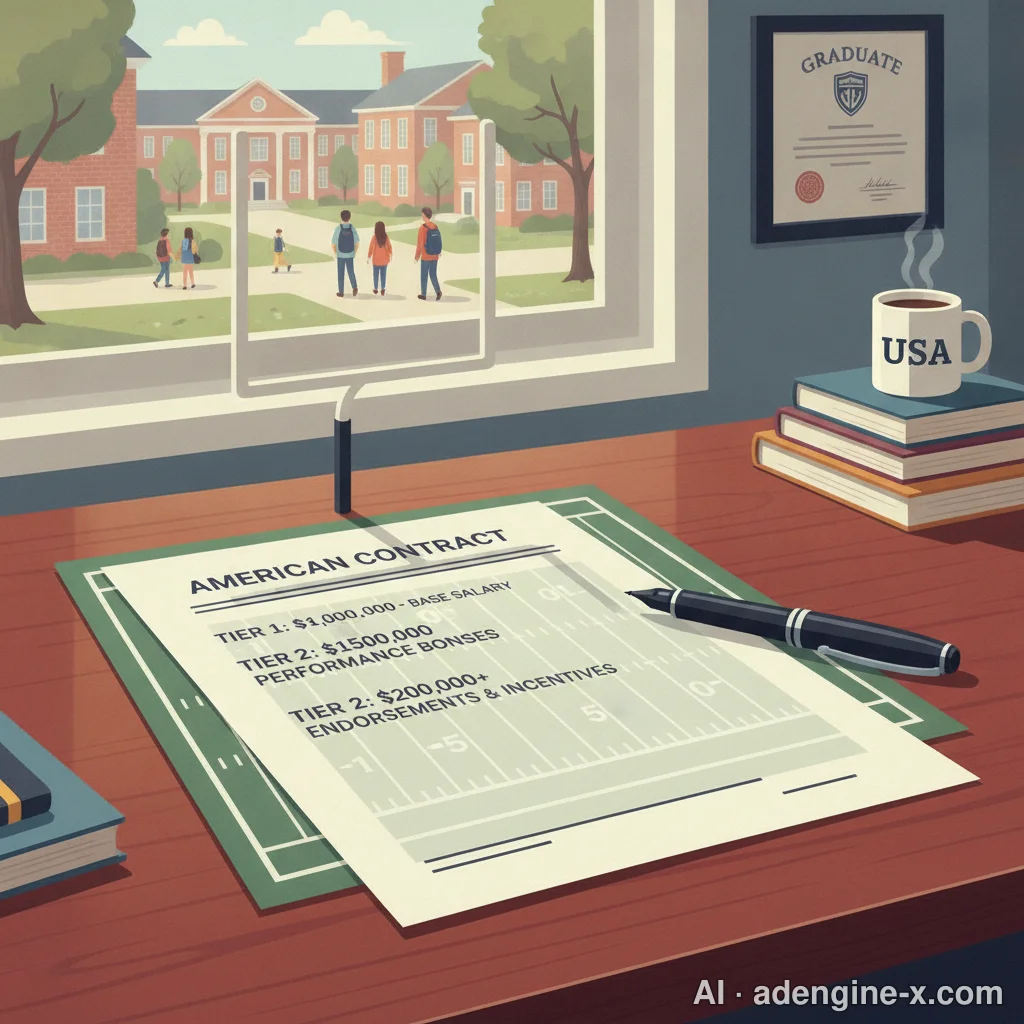
In the high-stakes economy of modern NCAA Division I athletics, head coaching contracts are no longer merely employment agreements; they are complex financial derivatives designed to insulate athletic departments from poaching while simultaneously safeguarding head coaches against fluctuating performance cycles. At the absolute epicenter of this fiscal ecosystem sits the contract of Clemson University head football coach William Christopher “Dabo” Swinney. Signed in September 2022, Swinney’s 10-year, approximately $115 million contract extension stands as one of the most heavily guaranteed commitments in college football history, featuring an unprecedented termination buyout that fundamentally shapes Clemson’s institutional decision-making in 2026.
1.1 The Era of Dominance and the $115 Million Guarantee
To contextualize the astronomical financial barrier protecting Swinney, one must analyze the institutional gratitude that birthed it. Appointed interim head coach in October 2008 following Tommy Bowden’s departure, Swinney executed one of the most lucrative program transformations in collegiate sports history. Over the ensuing decade, Clemson evolved from a regional contender into a perennial national powerhouse, securing College Football Playoff (CFP) National Championships in 2016 and 2018, capturing eight Atlantic Coast Conference (ACC) titles, and orchestrating six consecutive CFP appearances between 2015 and 2020.
Swinney became the primary counterweight to Nick Saban’s dynastic University of Alabama program, defeating the Crimson Tide decisively in two national title games. Eager to insulate their program from Alabama’s persistent succession rumors, the Clemson University Board of Trustees initially approved a 10-year, $93 million contract in 2019. By September 2022, the university recommitted on an even grander scale, replacing that agreement with a landmark 10-year, $115 million contract (averaging $11.5 million annually) running through December 31, 2031. At the time of signing, the package solidified Swinney among the top three highest-paid coaches in the nation, alongside Nick Saban and Georgia’s Kirby Smart.
1.2 The Portal Resistance and Clemson’s Competitive Crossroads
Despite past triumphs, the structural foundations of collegiate athletics shifted seismically shortly after Swinney signed the 2022 extension. The advent of institutionalized Name, Image, and Likeness (NIL) compensation and the unregulated flexibility of the NCAA Transfer Portal revolutionized roster acquisition. While rival elite programs aggressively leveraged portal additions to fill critical depth gaps, Swinney maintained a famously rigid philosophical stance, prioritizing traditional high school recruitment and internal culture development over portal acquisitions.
This operational conservatism coincided with a measurable degradation in on-field dominance. After missing the CFP from 2021 through 2023, returning to make the 12-team CFP field in 2024, and then experiencing an underwhelming 7–6 campaign in 2025 marked by double-digit conference losses, unrest among the Tigers faithful reached an inflection point. Yet, unlike conventional college football environments where mid-tier performance precipitating a “hot seat” results in an immediate coaching search, Clemson athletic administrators find themselves constrained by a legal and fiscal fortress: a 2026 buyout figure totaling approximately $57 million.
2. Comprehensive Contract & Buyout Matrix: The Raw Data Specifications
Evaluating the feasibility of terminating or modifying Swinney’s contract requires an exhaustive look at the hard figures. Below is the itemized breakdown of Swinney’s compensation, incentive ceilings, and corresponding buyout obligations across the entire lifespan of the 2022–2031 contract.
| Contract Year | Base + Supplemental Pay | Max Incentive Bonus | Clemson Buyout (Without Cause) | Swinney Buyout (Standard School) | Swinney Buyout (The Alabama Clause) |
|---|---|---|---|---|---|
| 2022 | $10,500,000 | $1,425,000 | $64,000,000 | $6,000,000 | $9,000,000 (Base 1.5x) |
| 2023 | $10,750,000 | $1,425,000 | $64,000,000 | $5,000,000 | $7,500,000 |
| 2024 | $11,000,000 | $1,425,000 | $60,000,000 | $5,000,000 | $7,500,000 |
| 2025 | $11,250,000 | $1,425,000 | $60,000,000 | $4,000,000 | $6,000,000 |
| 2026 (Current) | $11,500,000 | $1,425,000 | $57,000,000 | $3,000,000 | $4,500,000 |
| 2027 | $11,500,000 | $1,425,000 | 100% Remainder (~$50.5M) | $3,000,000 | $4,500,000 |
| 2028 | $11,750,000 | $1,425,000 | 100% Remainder (~$39.0M) | $2,000,000 | $3,000,000 |
| 2029 | $12,000,000 | $1,425,000 | 100% Remainder (~$27.25M) | $2,000,000 | $3,000,000 |
| 2030 | $12,250,000 | $1,425,000 | 100% Remainder (~$15.25M) | $1,000,000 | $1,500,000 |
| 2031 | $12,500,000 | $1,425,000 | 100% Remainder (~$3.0M) | $0 | $0 |
2.1 Salary Escalation Architecture (2022–2031)
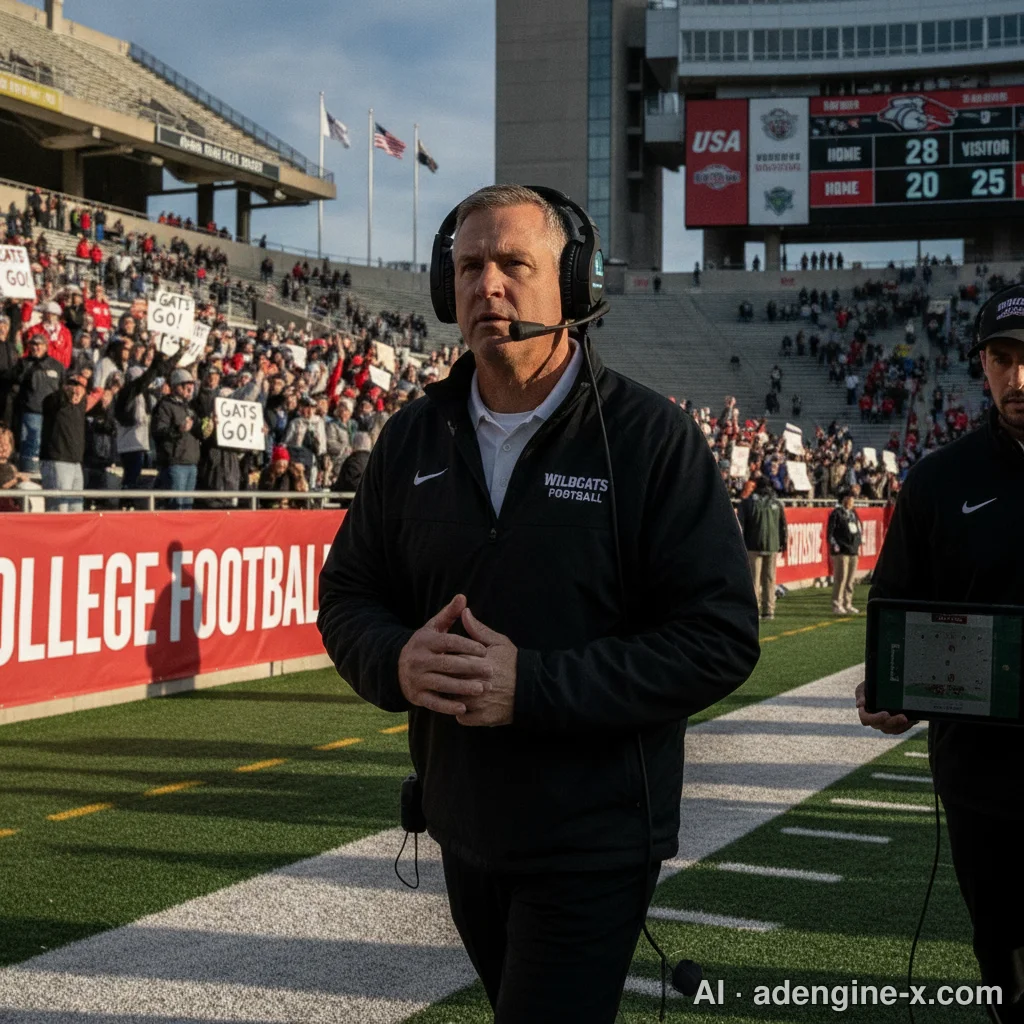
Swinney’s compensation is divided into base salary, supplemental compensation, and licensing revenue. Starting at $10.5 million in 2022, the contract includes scheduled $250,000 annual escalations through 2025, flattening briefly at $11.5 million across 2026 and 2027, before accelerating to $12.5 million by the final contractual term in 2031. Supplementing this baseline is a comprehensive performance-incentive suite capped at $1,425,000 annually, triggered by conference titles, College Football Playoff appearances, and national coach-of-the-year accolades.
2.2 The Step-Down Termination Schedule vs. Fully Guaranteed Back Half
The core structural barrier protecting Swinney is the buyout step-down mechanic. During the first two years of the extension (2022 and 2023), Clemson’s unilateral termination cost was frozen at approximately $64 million. In 2024 and 2025, it eased marginally to approximately $60 million. For the 2026 calendar year, the penalty stands at approximately $57 million (equivalent to roughly 76 billion KRW).
Crucially, beginning January 1, 2027, the contractual language shifts from defined flat-rate buyout tiers to a 100% guarantee of the total remaining contractual value (base salary plus supplemental compensation). Consequently, the buyout remains above $50 million well into 2027, preventing Clemson from experiencing any abrupt “cliff” where firing Swinney suddenly becomes affordable.
3. The Contractual Blueprint: Foundational Clauses & Institutional Prerequisites
Beyond headline dollar figures, the actual enforceability of coaching buyouts hinges entirely on nuanced contract definitions, mitigation protocols, and procedural timelines. Swinney’s representation negotiated an exceptionally protective legal architecture.
3.1 Termination Without Cause Protocols and the 90-Day Payout Trigger
In collegiate athletics contracts, termination “For Cause” requires gross moral turpitude, severe Level I NCAA violations, or direct criminal malfeasance. Ordinary on-field failure, declining television ratings, or failure to qualify for the postseason constitute termination “Without Cause.”
Under Section 6 of Swinney’s agreement, should the Clemson Athletic Department elect to terminate his employment without cause, the university must deliver formal written notice. Upon that action, the entire buyout debt is expected to become legally vested. The contract dictates that Clemson must execute the settlement via one of two mechanisms:
- A lump-sum disbursement of the entire owed amount delivered within 90 days of the termination date; or
- Structured installment disbursements payable on regular payroll schedules extended through December 31, 2031.
In either structure, Clemson may face statutory interest penalties if payment is deferred, severely constricting the athletic department’s short-term balance sheet.
3.2 The Unmitigated Windfall: Total Absence of Offset and Mitigation Language
The single most destructive feature for Clemson—and a significant advantage for Swinney’s legal counsel—is the omission of an offset or mitigation clause. In standard athletic director agreements (such as those governing coaches at Georgia, Ohio State, or Michigan), a fired coach is legally required to seek comparable employment (“duty to mitigate”). If hired by another university, an NFL franchise, or an television network, the earnings from the new position reduce the original school’s ongoing buyout obligation dollar-for-dollar.
Swinney’s contract contains no such mitigation requirement. Should Clemson terminate Swinney and wire him $57 million, he could legally sign a $10 million annual contract with another program or accept an analytical desk role at ESPN the following morning without returning or forfeiting a single dollar of Clemson’s money. This absence removes any financial relief mechanism for the university post-firing.
4. Step-by-Step Execution Mechanics: How Clemson Would Legally and Financially Fire Swinney
To understand why Clemson administrators have not pulled the trigger, an analyst must dissect the potential operational steps required to dissolve the partnership.
4.1 Step 1: Liquidity Mobilization and IPTAY Booster Capital Call
Clemson University is a state-supported public institution in South Carolina. Direct state appropriations and general student tuition cannot legally or politically be allocated to pay tens of millions of dollars to buy out a football coach. The fiscal burden falls entirely on the IPTAY (“I Pay Ten A Year”) athletic booster foundation.
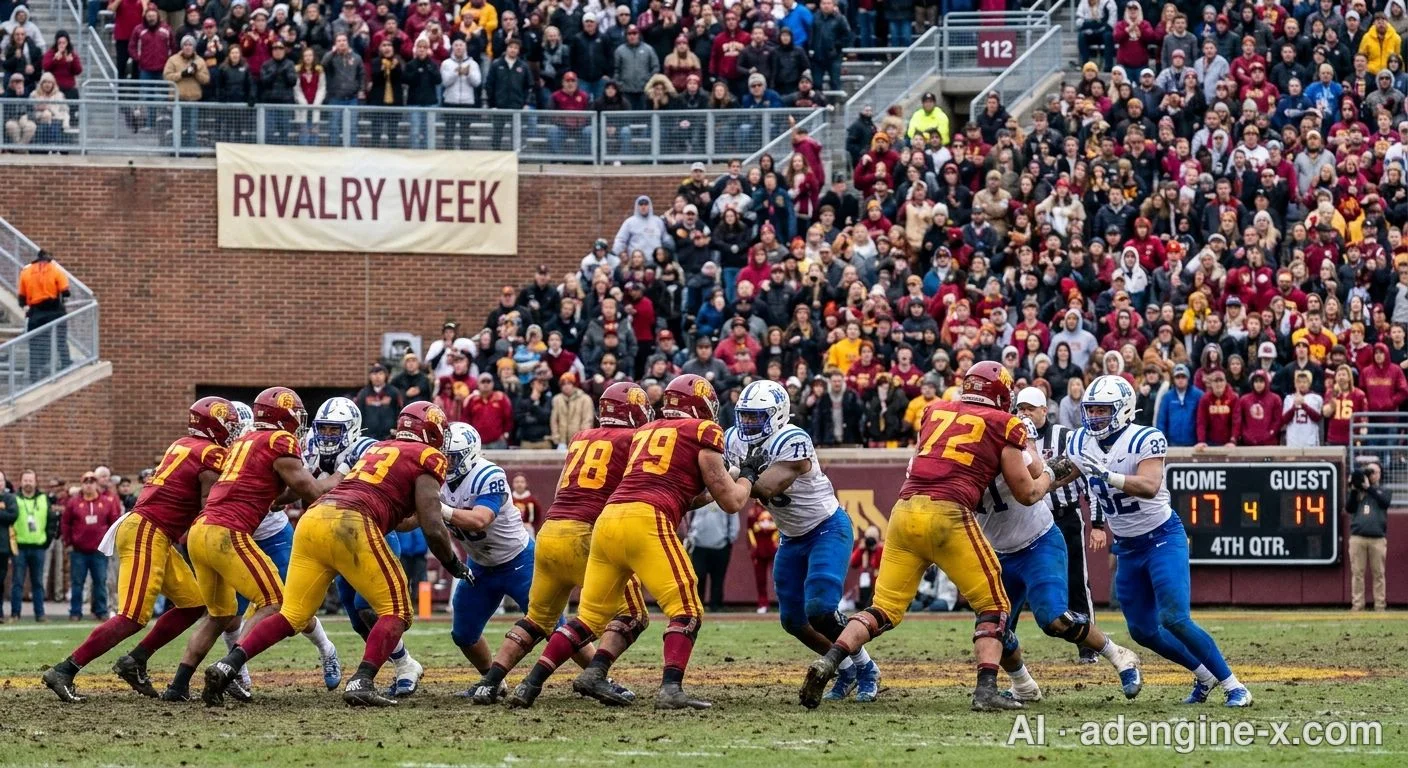
To initiate a firing in 2026, the Athletic Director and Clemson Board of Trustees would require an emergency capital call to their high-tier “Heisman Society” donors. IPTAY historically generates between $20 million and $30 million annually in unrestricted football donations—funds that are currently demanded for athletic infrastructure and player NIL/revenue sharing. Absorbing a sudden $57 million non-performing debt obligation would wipe out multiple years of foundation capital reserves, requiring massive philanthropic credit underwriting.
4.2 Step 2: Lump-Sum vs. Installment Disbursement Mechanics
Once liquidity is pledged, the formal termination is served. If Clemson elects the 90-day lump-sum payment of $57 million, the school avoids multi-year administrative entanglement but must issue high-interest municipal athletic bonds or severely deplete cash balances. If the school selects the installment method (spreading roughly $9.5 million per year through 2031), it must carry that dead-cap burden alongside the multi-million-dollar annual salary of a new head coach and an entire replacement staff.
5. Deep-Dive Contractual Anatomy: The Alabama Clause & Special Rider Privileges
Swinney’s contract features idiosyncratic provisions that reflect the specific historical pressures surrounding his career, most notably his deep ties to Tuscaloosa.
5.1 The 150% Alabama Premium: Origin and Step-Down Schedule
Having walked on as a wide receiver at Alabama and contributed to their 1992 national championship team before coaching there for nearly a decade, Swinney was perpetually viewed as the natural heir to Nick Saban. To deter Alabama from poaching their architect, Clemson leadership reportedly established a targeted contractual firewall commonly referred to as “The Alabama Clause.”
Under this provision, if Swinney voluntarily terminates his contract to take another collegiate head coaching position, he owes Clemson a standard liquidated damages buyout. However, if the destination is the University of Alabama, a 50% premium surcharge (1.5x multiplier) is applied:
- 2022: Standard buyout $6.0M | Alabama buyout: $9.0M
- 2023–2024: Standard buyout $5.0M | Alabama buyout: $7.5M
- 2025: Standard buyout $4.0M | Alabama buyout: $6.0M
- 2026–2027: Standard buyout $3.0M | Alabama buyout: $4.5M
- 2028–2029: Standard buyout $2.0M | Alabama buyout: $3.0M
- 2030: Standard buyout $1.0M | Alabama buyout: $1.5M
When questioned about this unprecedented targeted clause by ESPN’s David M. Hale, Swinney noted:
“The school came to me with that clause included, and I had zero problem with it. I spent 13 years at Alabama and love my alma mater, but I love where I am and love what I do at Clemson.”
5.2 The Good Faith Market Review Trigger and Hidden Executive Perks
The contract also features an elite “Good Faith Market Review” clause. Should Swinney’s annual compensation fall outside the top three highest-paid coaches in college football during guaranteed CFP benchmarks, Clemson is contractually bound to enter good-faith negotiations to adjust his salary upward to contemporary market rates. Refusal by the university releases Swinney from his reciprocal buyout liabilities.
Beyond cash, the contract provides expansive executive perquisites: fully paid retention bonuses of $1.0 million each, disbursed on March 1, 2021, and March 1, 2023; two dealership-sponsored luxury vehicles with comprehensive insurance and maintenance covered by Clemson (or a $2,000 monthly cash stipend); full personal mobile telecommunication provisions; and dedicated annual flight hours aboard university-chartered private aviation.
6. Comparative Benchmarking: Dabo Swinney vs. Jimbo Fisher and Elite Peers
To evaluate how extraordinary Swinney’s financial shelter is, it must be benchmarked against contemporary mega-buyouts in the Southeastern and Big Ten conferences.
6.1 Jimbo Fisher’s Historic $76 Million Precedent at Texas A&M
The undisputed high-water mark for dead-money coaching dismissals occurred in November 2023, when Texas A&M fired Jimbo Fisher, triggering an unprecedented $76 million buyout. Texas A&M’s oil-backed booster infrastructure absorbed the blow by paying approximately $19.3 million within 60 days, spreading the remaining ~$57 million across annual installments through 2031.
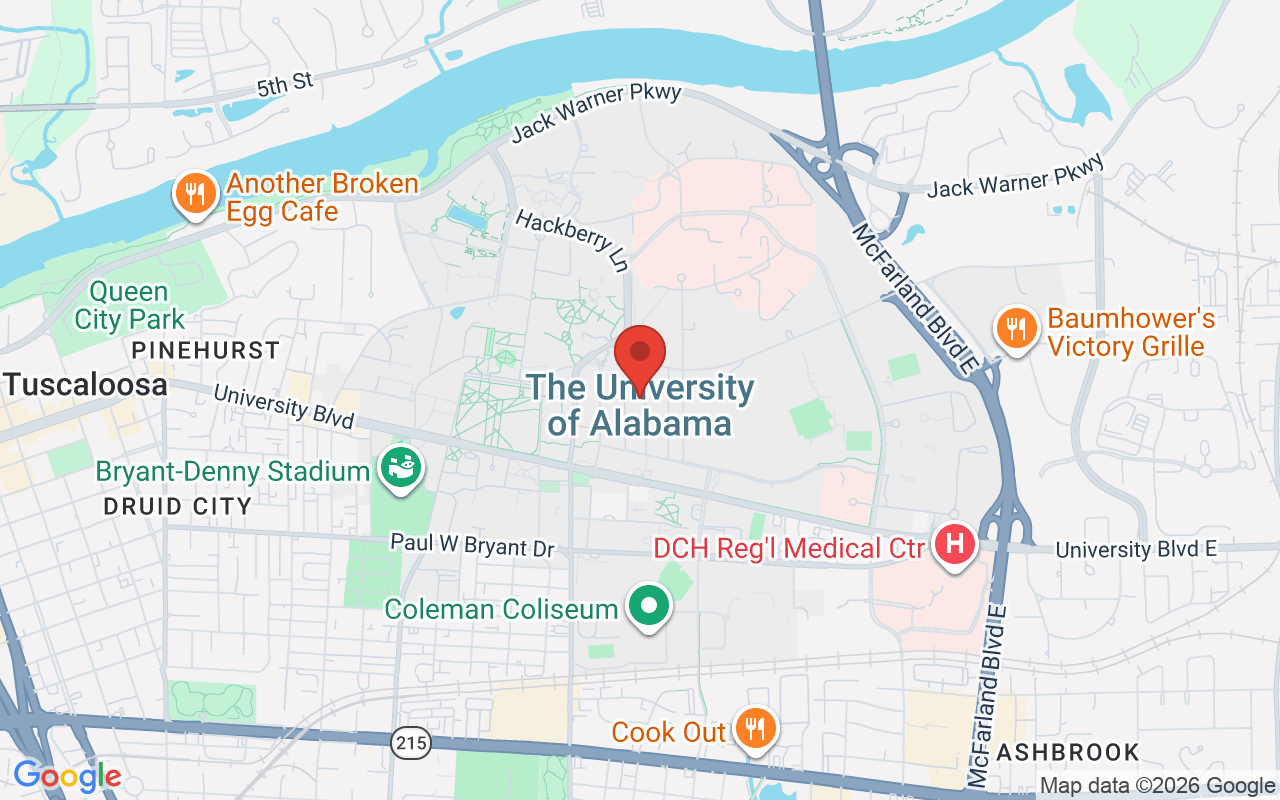 🔍
🔍While Texas A&M proved that a $70M+ buyout could theoretically be digested by an ultra-wealthy donor base, the subsequent institutional strain stalled other athletic projects. Swinney’s $57 million figure in 2026 represents the second-highest potential buyout in college sports history, but Clemson does not possess Texas A&M’s oil endowment.
6.2 Structural Comparison: Offset Protections in Brian Kelly and Kirby Smart Contracts
Comparing Swinney’s contract to those of LSU’s Brian Kelly ($95 million total value) and Penn State’s James Franklin demonstrates the rarity of Swinney’s terms:
- Brian Kelly (LSU): LSU holds robust offset rights. If fired, any salary Kelly collects from subsequent coaching or broadcasting reduces LSU’s payout dollar-for-dollar.
- Kirby Smart (Georgia): Smart’s record-breaking deal includes step-down buyout language keyed directly to performance milestones, allowing Georgia significant discounts if program metrics decline.
- Dabo Swinney (Clemson): Fully guaranteed flat-rate structure through 2026, shifting to 100% remaining payout from 2027 onward, entirely free of offset provisions.
This reality prompted ESPN college football insider Pete Thamel to summarize the dynamic flatly:
“Dabo Swinney is not on the hot seat. He is one of only two active coaches with multiple national championship rings, and his $57 million contract buyout is an unassailable fortress that keeps Clemson from firing him.”
7. Common Misconceptions, Financial Traps, and Roster Construction Collisions
As frustration surfaced across forums like TigerNet and Reddit r/CFB, several major misconceptions emerged regarding how Clemson could navigate Swinney’s departure.
7.1 The Fallacy of Booster Wealth: The House v. NCAA Revenue-Sharing Collision
A frequent claim among fans on social media is: “IPTAY boosters have enough cash; they will simply write the check.” This perspective ignores the financial restructuring brought on by the landmark House v. NCAA settlement. Under new guidelines, athletic departments are authorized to share up to $20 million to $22 million annually in athletic revenues directly with student-athletes.
Clemson cannot treat coaching buyouts in a vacuum. Disbursing $57 million in dead coaching money while simultaneously needing to fund a competitive $20+ million annual player revenue-sharing payroll and third-party NIL funds would paralyze the department. As local sports outlets Saturday Blitz and Rubbing the Rock observed:
 🔍
🔍“Swinney’s stubbornness broke the empire he built... but in modern college football, where roster construction requires tens of millions, burning $57 million purely to dismiss your head coach is suicidal.”
7.2 Tax Traps: 501(c)(3) Restrictions and the Section 4960 Excise Tax
Using booster donations to fund a termination buyout introduces severe federal tax exposure. Under Internal Revenue Code Section 4960 (enacted under the Tax Cuts and Jobs Act), tax-exempt organizations—including university athletic foundations—are subject to a 21% excise tax on excess executive remuneration exceeding $1 million paid to an applicable covered employee.
If Clemson pays a $57 million buyout lump-sum through university-associated accounts, the institution faces millions of dollars in supplemental excise tax liabilities payable directly to the IRS, expanding the actual institutional cost of firing Swinney far past the nominal contract balance.

7.3 The Dual-Salary Reality: Why Post-Termination Employment Won't Save Clemson
Casual observers often assume that if Swinney takes an NFL coordinator job or transitions into television, Clemson is relieved of its debt. As established, the contract features No Mitigation Required. Clemson receives zero relief regardless of Swinney’s post-termination income, meaning the university would fund his salary while he actively works for a competing entity.
8. The Realistic Endgame: Mutual Separation Scenarios and Future Contract Trends
Given the legal and mathematical realities, how does the Clemson-Swinney dynamic resolve if competitive regression continues?
8.1 The Negotiated Buyout: The $25M–$30M Settlement Framework
The consensus among sports finance analysts is that an outright, acrimonious firing without cause will not occur. Swinney, keenly aware of his legacy as the man who built Clemson into a national powerhouse, has openly brushed off fan outrage on regional radio call-in shows with bravado:
“If they don’t like what I’m doing, they can just send me on my way.”
Behind closed doors, the probable off-ramp is a negotiated mutual separation agreement. Rather than forcing Clemson to default on $57 million or endure crippling litigation, the university and Swinney’s representatives would likely negotiate a discounted buyout settlement in the range of $25 million to $30 million, structured over an extended 10-year payout horizon. This approach would afford Swinney an honorable, dignified departure to pursue an elite studio broadcast career with ESPN or FOX Sports, while granting Clemson the liquidity necessary to reset its football operations.
8.2 The Death of the 10-Year Fully Guaranteed Megadeal
The sobering dilemmas presented by Jimbo Fisher’s dismissal at Texas A&M and Swinney’s contract stalemate at Clemson have fundamentally transformed the athletic director playbook. The era of offering 10-year, $100M+ fully guaranteed pacts to college head coaches is effectively over.
Future elite extensions across the Big Ten and SEC are standardizing:
- Shorter contract durations capped strictly at five or six years;
- Mandatory, aggressive offset and mitigation language on all buyout obligations;
- Buyout penalty tables tied to objective performance metrics (e.g., failing to secure a 12-team CFP berth cuts the buyout by 40%).
9. Frequently Asked Questions (FAQ): 5 Essential Inquiries Answered
Q1: Exactly how much does Clemson owe Dabo Swinney if they fire him in 2026?
Under the contractual step-down schedule, Clemson University owes Dabo Swinney exactly $57,000,000 if terminated without cause during the 2026 calendar year. This sum must be paid either as a lump sum within 90 days of termination or in structured monthly installments through December 31, 2031.
Q2: Does Swinney’s buyout decrease if he gets hired by another team or television network?
No. Unlike most standard athletic contracts, Swinney’s deal completely lacks an “offset” or “duty to mitigate” clause. If Clemson fires him, they owe the full buyout amount regardless of whether he immediately accepts another multi-million-dollar head coaching job or takes a broadcast analyst position at a major sports network.
Q3: What is the “Alabama Clause,” and is it still active in 2026?
The “Alabama Clause” is a contractual rider stipulating that if Swinney leaves Clemson voluntarily to become the head coach at his alma mater, the University of Alabama, his buyout penalty is subjected to a 150% surcharge (1.5 times the standard departure fee). In 2026, leaving for an ordinary FBS school costs Swinney $3,000,000, but leaving for Alabama carries a $4,500,000 buyout fee. The clause remains active through 2030.
Q4: Could Clemson fire Dabo Swinney “For Cause” to avoid paying the $57 million?
No. Legally, “For Cause” termination requires gross personal misconduct, severe criminal acts, fraud, or major Level I NCAA infractions directly tied to the coach. Refusal to heavily utilize the NCAA Transfer Portal, schematic stagnation, and losing regular-season games do not meet the legal definition of cause. Attempting a bad-faith “For Cause” firing would subject Clemson to immediate breach-of-contract litigation and catastrophic punitive damages.
Q5: Can Clemson utilize general university funds or student tuition to pay the buyout?
No. Public state universities are prohibited by policy and political realities from utilizing state tax revenues or academic tuition to subsidize athletic coaching buyouts. The entirety of the $57 million payout would have to be underwritten by the IPTAY athletic foundation through private donor contributions, commercial debt financing, or specialized municipal athletic bonds.
ℹ️ This article was drafted with the help of an AI tool and reviewed/edited by a human before publishing. · Original: AdEngine-X
📚 References
This list may include both live search sources the AI referenced while writing and public-data sources checked during fact verification. Please verify the original sources before citing or reusing.
0 Comments
Loading comments...